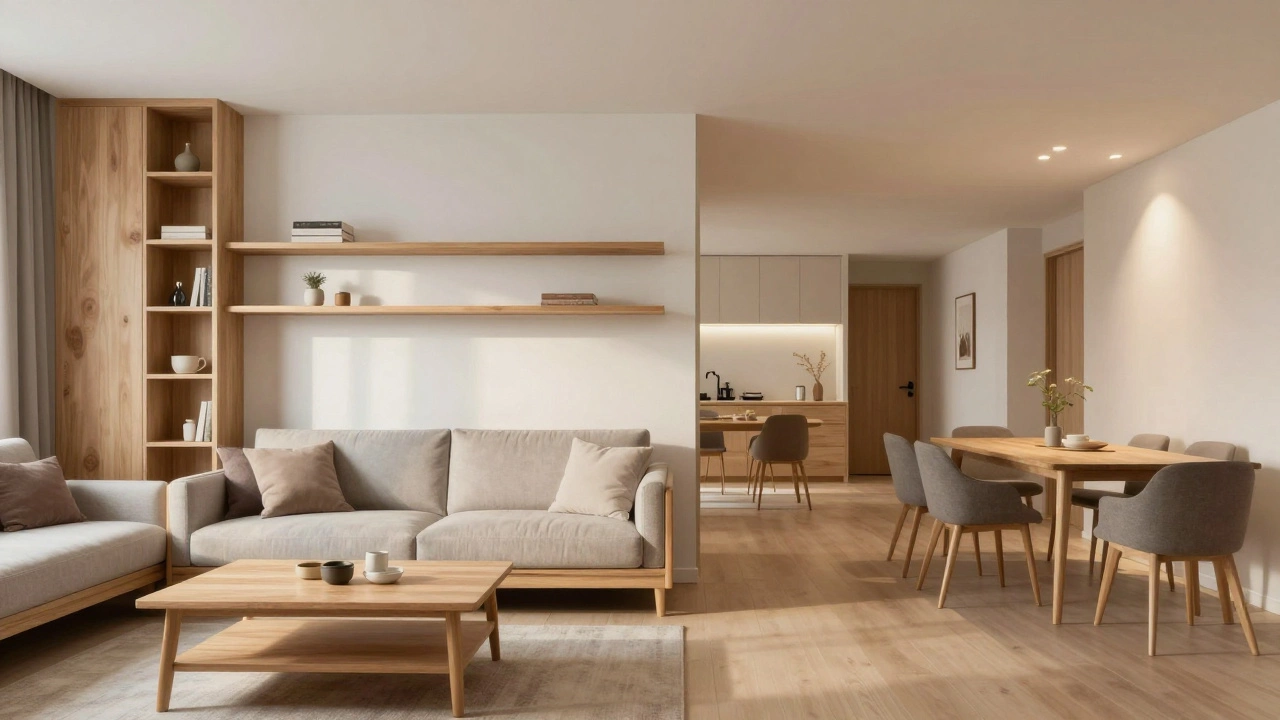
Apartment Size Decision Tool
Answer these 5 questions to find out which apartment configuration fits your current life stage and financial goals.
Picture this: You’ve finally saved enough for a down payment. The agent shows you two units in the same building. One is a cozy 2 BHK a two-bedroom, hall, and kitchen apartment ideal for couples or small families. The other is a spacious 3 BHK a three-bedroom, hall, and kitchen unit offering extra room for growing families or home offices. Both are within budget if you stretch slightly. Which one do you pick?
This isn’t just about square footage. It’s about your life right now versus your life five years from now. Are you buying for immediate comfort, or are you investing in future flexibility? In cities like Melbourne, where property prices have stabilized but remain high, every square meter counts. Choosing the wrong size can mean living with clutter today or regretting a missed opportunity tomorrow.
The Real Cost of Space: Price Per Square Meter
Let’s talk money first because that’s usually the biggest hurdle. A 3 BHK will almost always cost more than a 2 BHK in the same location. But is it proportionally more expensive? Often, no. Developers sometimes price larger units with a slight discount per square foot to move inventory faster. However, the total outlay is still higher.
In 2026, maintenance fees (often called strata or HOA fees) are calculated based on the carpet area. If you buy a 3 BHK, expect monthly maintenance bills to be 30-50% higher than for a 2 BHK. This includes cleaning, security, gym access, and reserve funds for repairs. For a young couple, that extra $200-$400 a month might feel unnecessary. For a family of four, it’s often worth it for the shared amenities.
| Factor | 2 BHK | 3 BHK |
|---|---|---|
| Initial Purchase Price | Lower entry barrier | Higher upfront cost |
| Maintenance Fees | Lower monthly outgoings | 30-50% higher monthly costs |
| Resale Value Growth | Faster turnover, steady growth | Slower sales cycle, higher absolute gain |
| Rental Yield | Often higher percentage yield | Lower percentage, but higher absolute rent |
| Target Tenant Pool | Couples, single professionals | Families, multi-generational households |
Lifestyle Fit: Who Actually Needs Three Bedrooms?
If you’re a single professional or a couple without kids yet, a 3 BHK might feel empty. Empty rooms don’t just sit there; they gather dust and become storage closets for things you rarely use. That defeats the purpose of buying a modern apartment.
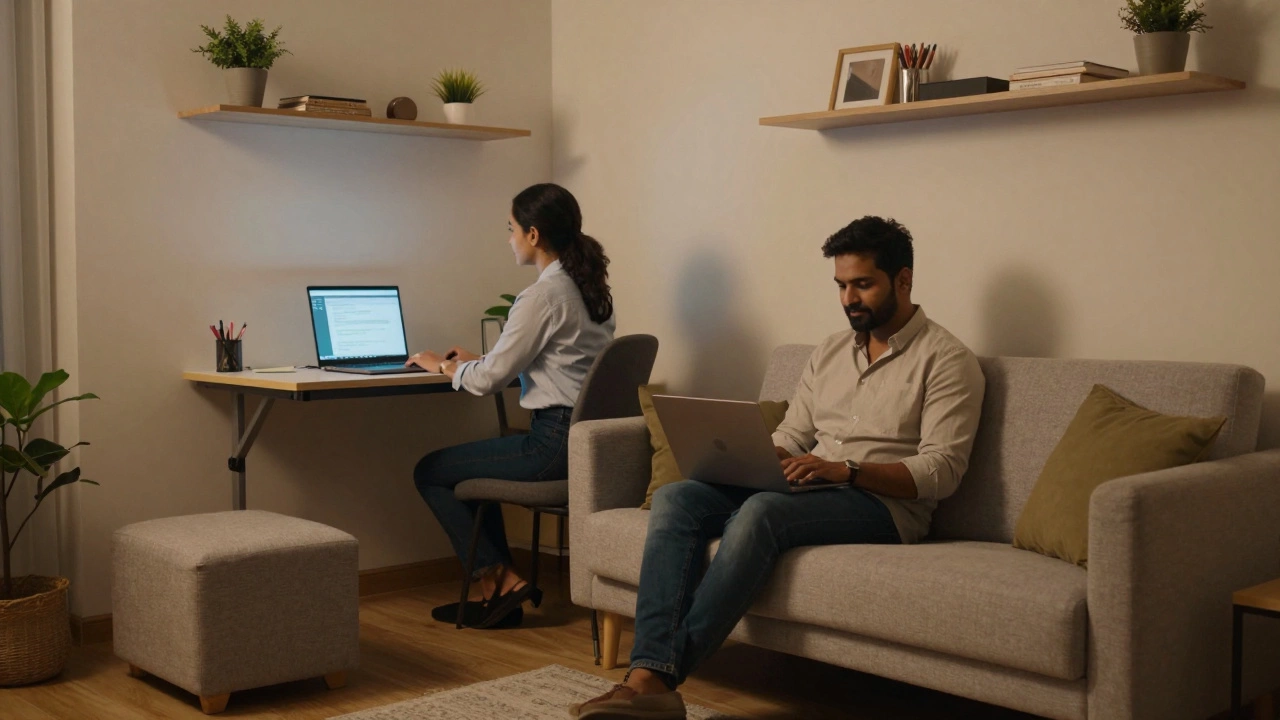
A 2 BHK forces efficiency. You learn to live with less. The second bedroom can serve as a dedicated home office, a guest room, or a hobby studio. In post-pandemic work culture, having a separate room for Zoom calls is crucial. A 2 BHK provides this privacy without the excess space.
Now, consider the family angle. If you plan to have children soon, or if you live with aging parents, the math changes. A 3 BHK allows for distinct zones: one bedroom for parents, one for kids, and one for guests or study. Without that third room, tensions rise over noise, privacy, and space. I’ve seen too many couples squeeze into a 2 BHK with a toddler and an elderly parent, leading to stress that affects their daily lives. Space buys peace of mind.
The Investment Perspective: Resale and Rental Potential
Real estate is not just a place to live; it’s an asset. How do these two types perform differently?
Rental Demand: In urban centers like Melbourne, the demand for 2 BHKs is incredibly strong among young professionals and students. They want convenience, low maintenance, and proximity to work. Landlords find it easier to fill 2 BHK vacancies quickly. The rental yield (annual rent divided by property value) is often higher for smaller units because the purchase price is lower while the rent remains competitive.
Resale Liquidity: When you decide to sell, who is your buyer? A 2 BHK has a massive pool of potential buyers: first-time homebuyers, downsizers, and investors. A 3 BHK targets a narrower segment: established families. While 3 BHKs hold value well during market booms, they can take longer to sell during downturns because fewer people can afford them. If you need liquidity, the 2 BHK is generally safer.
However, if you look at absolute profit margins, a 3 BHK usually generates more dollar-for-dollar gain upon resale. If you bought a 3 BHK for $800,000 and sold it for $1 million, that’s a $200,000 profit. A 2 BHK bought for $600,000 might sell for $750,000, giving you $150,000. The percentage might be similar, but the raw cash difference matters for your next move.
Space Optimization: Making the Most of What You Have
If you choose a 2 BHK, smart design is non-negotiable. You can’t afford wasted corners. Here’s how top interior designers approach compact living:
- Multipurpose Furniture: Invest in sofa beds, fold-down desks, and ottomans with hidden storage. These pieces change the function of a room from minute to minute.
- Vertical Storage: Use wall-mounted shelves and tall cabinets. Floor space is premium; vertical space is free.
- Open Plan Living: Keep the connection between the kitchen, dining, and living areas open. Glass partitions can define spaces without blocking light or making the area feel cramped.
- Light Colors: White, beige, and soft grays reflect light, making rooms feel larger. Dark colors absorb light and shrink the perceived space.
For a 3 BHK, the challenge is different. The risk is underutilization. Don’t let the third bedroom become a junk drawer. Define its purpose early. Is it a nursery? A library? A gym? Assigning a specific role prevents clutter creep. Also, ensure the layout flows well. Some 3 BHKs have awkward corridors that waste space. Always check the floor plan for “dead space” before signing.
Future-Proofing Your Home
Life is unpredictable. Jobs change, relationships evolve, and families grow. Ask yourself: “Where will I be in five years?”
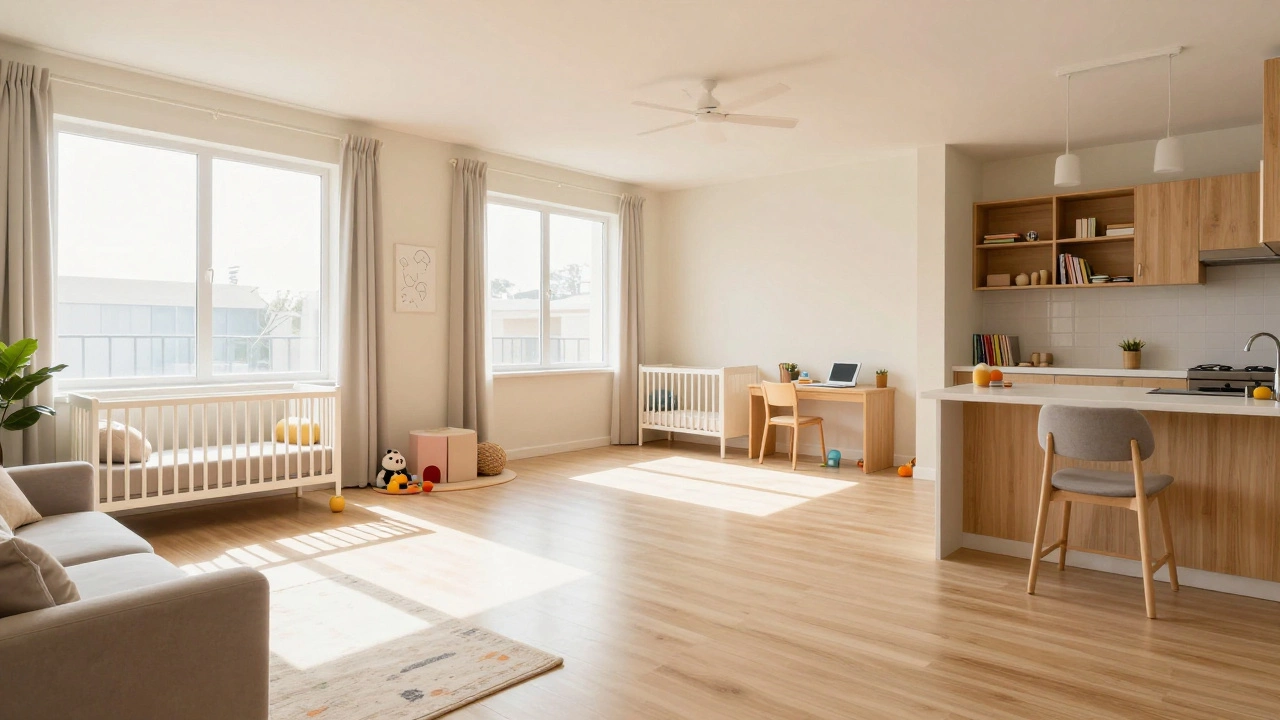
If you’re currently single but planning to marry and start a family within three years, buying a 2 BHK now might force you to move again soon. Moving is expensive, stressful, and time-consuming. Buying a 3 BHK initially could save you that hassle later. You can rent out the extra room or use it as an office until you need it for a child.
Conversely, if you’re an empty nester looking to downsize, a 2 BHK reduces cleaning time, lowers utility bills, and frees up capital. Staying in a large 3 BHK when you only need one bedroom is inefficient and costly.
Consider the neighborhood trends too. Is the area seeing an influx of young professionals or families? If it’s the former, a 2 BHK aligns with the demographic shift. If schools and parks are being built nearby, a 3 BHK might appreciate faster due to increased family demand.
Decision Checklist: Which One Fits You?
Use this quick checklist to narrow down your choice. Be honest with your answers.
- Budget Constraint: Can you comfortably afford the mortgage and maintenance for a 3 BHK without stretching your emergency fund? If no, stick to 2 BHK.
- Household Size: Do you currently live with more than two people? If yes, 3 BHK is likely necessary for sanity.
- Work Setup: Do you work from home full-time? A dedicated office room (the third bedroom) is a luxury that boosts productivity.
- Investment Horizon: Are you holding for 10+ years? A 3 BHK may offer better long-term appreciation. Selling within 3-5 years? A 2 BHK sells faster.
- Guest Frequency: Do you host overnight guests often? If yes, the extra bedroom adds hospitality value.
There is no universal “better.” A 2 BHK is better for agility, lower costs, and ease of management. A 3 BHK is better for space, privacy, and long-term family stability. Your answer depends entirely on your current chapter and your vision for the next one.
Is a 2 BHK or 3 BHK better for investment purposes?
It depends on your goal. For higher rental yields and faster resale liquidity, a 2 BHK is generally better because it appeals to a wider pool of tenants and buyers. For higher absolute profit margins and long-term appreciation, a 3 BHK often performs better, especially in family-oriented suburbs.
Can I convert a 2 BHK into a 3 BHK later?
In most apartment complexes, structural changes are strictly regulated by strata laws. You cannot simply knock down walls to create a new bedroom if it involves load-bearing structures or violates fire safety codes. Minor partitioning might be possible, but it’s risky and often not approved. It’s safer to buy the size you need initially.
What is the average size difference between a 2 BHK and 3 BHK?
While sizes vary by developer and location, a typical 2 BHK ranges from 700 to 900 square feet. A 3 BHK usually ranges from 1,000 to 1,300 square feet. The key difference is the addition of a third bedroom and often a larger living area to accommodate the extra occupants.
Are maintenance charges significantly higher for 3 BHK apartments?
Yes. Maintenance fees are typically calculated based on the carpet area or super built-up area. Since a 3 BHK is 30-50% larger than a 2 BHK, your monthly strata or HOA fees will reflect that increase. Additionally, utilities like water and electricity may cost more due to higher usage.
Which is easier to rent out: 2 BHK or 3 BHK?
In urban city centers, 2 BHKs are often easier to rent out quickly due to high demand from young professionals and couples. In suburban areas with good schools, 3 BHKs rent out steadily to families. Vacancy rates for 2 BHKs tend to be lower in dense metropolitan areas.