Virginia Housing Cost Comparison Calculator
How much could you save?
Compare your current housing costs with the most affordable regions in Virginia to see potential annual savings.
Your Estimated Savings
Enter your current housing costs to see savings
Why This Region?
Select a region to see details about affordability.
If you're looking to stretch your paycheck further in Virginia, you don't need to move to a remote mountain town or give up city life entirely. The state has several regions where housing, groceries, and utilities stay surprisingly affordable-without sacrificing access to jobs, schools, or basic services.
Southside Virginia: The Quiet Bargain
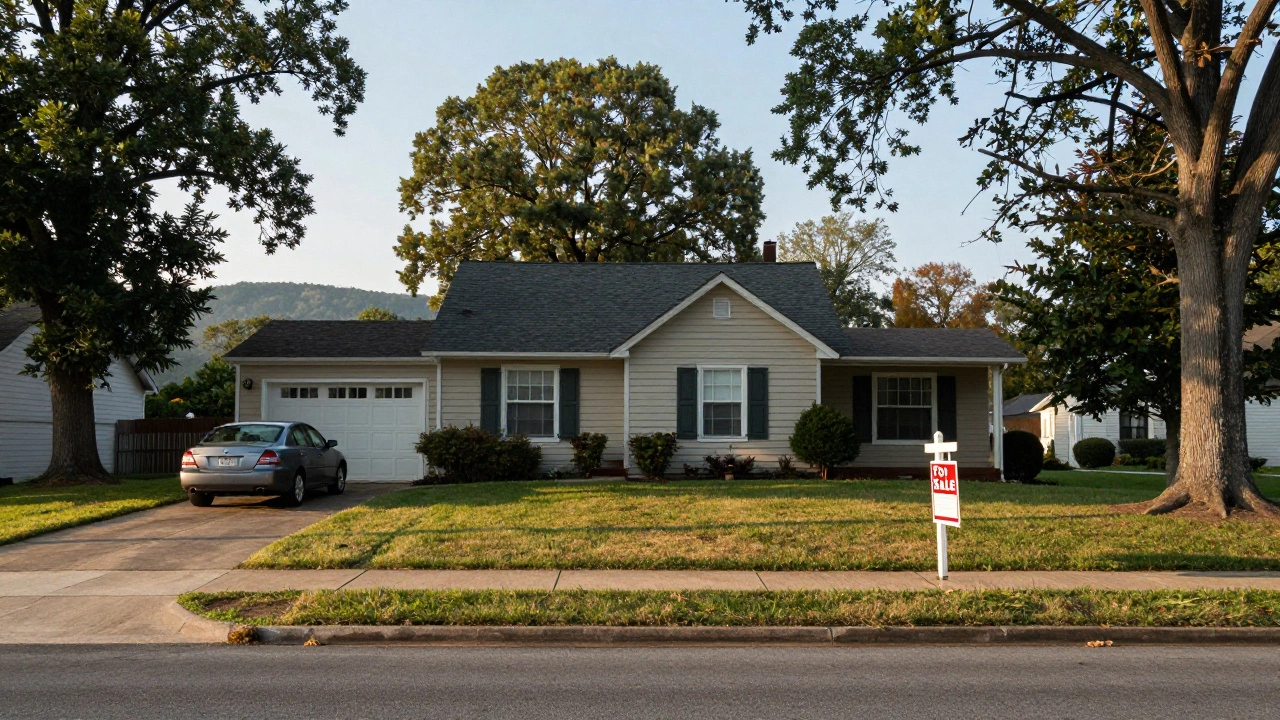
Head south of the James River, and you'll find some of the lowest housing prices in the state. Cities like Danville, Martinsville, and South Hill offer median home prices under $180,000. That’s nearly half the price of homes in Northern Virginia. Renters can find three-bedroom homes for under $1,100 a month. Property taxes here are among the lowest in Virginia, averaging under $1,800 per year on a median-value home. The cost of groceries and gas is also below the state average. This area isn’t flashy, but it’s stable. Many families stay here because they can own a home outright on one income.
The River Region: Farm Country With Low Prices
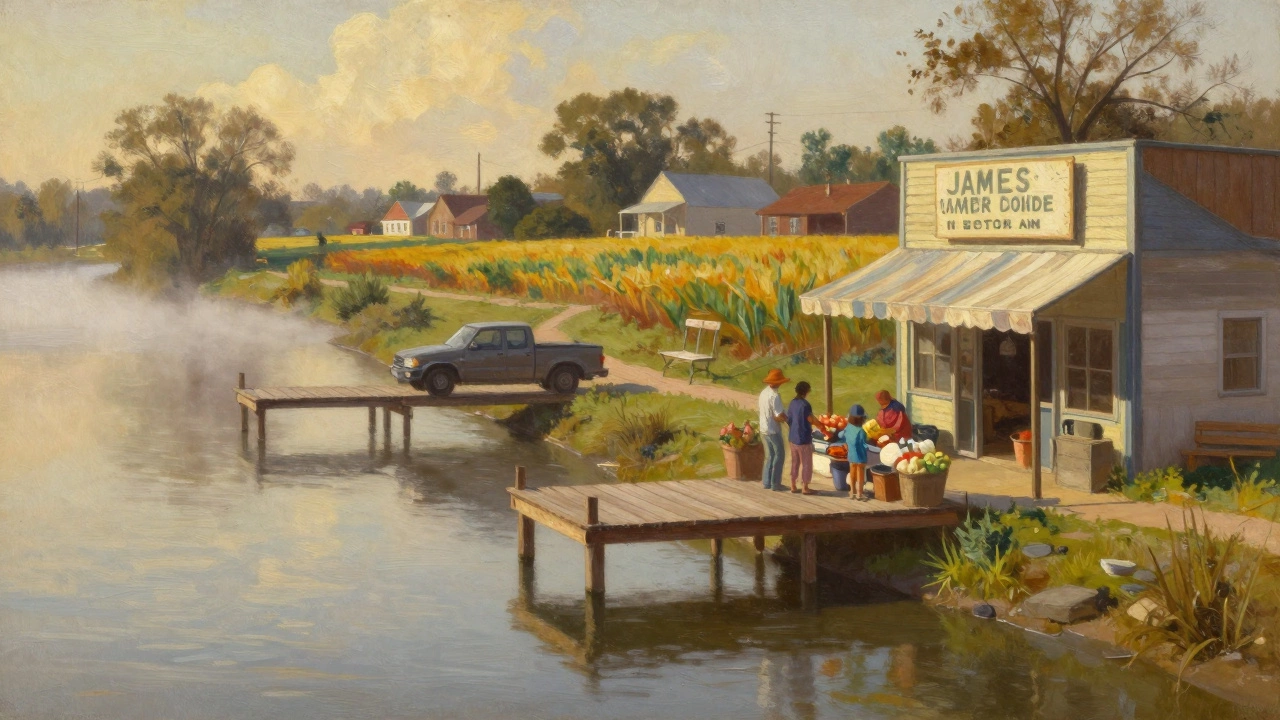
Along the James and Rappahannock rivers, towns like Bowling Green, Tappahannock, and Warsaw offer a mix of rural peace and small-town convenience. Median home prices hover around $165,000. A 2024 survey by the Virginia Housing Development Authority showed that 68% of homes in this region sold below $200,000. The local economy leans on agriculture, light manufacturing, and remote work, which keeps demand-and prices-modest. Public transit is limited, but if you drive, fuel costs are low and commutes are short. For people who don’t need to be near a major airport or downtown office, this is one of the most budget-friendly corners of the state.
Central Appalachia: Where the Mountains Keep Prices Down
Virginia’s western edge, including Buchanan, Galax, and Norton, sits in the Appalachian foothills. These towns have some of the lowest median incomes in the state-but also the lowest housing costs. The average home here sells for $140,000 to $160,000. Some older homes in smaller communities like Big Stone Gap go for under $100,000. Property taxes are capped by state law in many of these counties, making long-term ownership predictable. The trade-off? Fewer chain stores, longer drives for specialty medical care, and limited internet options in rural zones. But if you value space, quiet, and low monthly bills, this region delivers.
Why These Areas Are Cheaper Than the Rest
Virginia’s cost of living isn’t uniform. Northern Virginia, especially Fairfax and Arlington, has seen home prices triple since 2015 due to federal jobs, tech workers, and dense development. Richmond and Norfolk have also climbed steadily. But in the southern and western parts of the state, population growth has stalled-or even declined. Fewer people means less pressure on housing. There’s also less demand from investors and out-of-state buyers. Local economies aren’t booming, but they’re steady. Schools aren’t top-ranked, but they’re functional. Healthcare access is limited, but emergency services exist. For people who don’t need luxury or convenience, these areas offer real affordability.
What You’ll Sacrifice-And What You Won’t
Living cheaply in Virginia doesn’t mean living in a vacuum. You won’t find farmers markets every weekend in Danville, but you’ll find a Walmart, a Dollar General, and a community clinic. Public transit is sparse, so you’ll need a car. Internet speeds might be slower outside town centers. But you won’t sacrifice safety: crime rates in these areas are often lower than in Richmond or Roanoke. You won’t lose access to highways-Interstate 81 and I-95 run through or near these towns. And you won’t lose your sense of community. People know each other here. Neighbors help out. It’s the kind of place where you can buy a home, raise kids, and never feel like you’re drowning in bills.
Real Numbers: How Much Can You Save?
Let’s compare a typical household budget. In Northern Virginia, a two-bedroom apartment rents for $2,200 a month. In Danville, it’s $950. A median home in Fairfax costs $750,000. In Buchanan, it’s $145,000. Even after factoring in slightly higher utility bills in colder rural areas, annual savings can exceed $18,000. That’s enough to pay off credit card debt, build an emergency fund, or save for a child’s education. A 2023 study by the Virginia Tech Center for Housing Research found that households in Southside Virginia spent 21% of their income on housing, compared to 47% in Arlington. That difference changes lives.

Who Should Consider Moving There?
If you work remotely, are retired, or have a job that doesn’t require daily commuting to a major city, these areas are ideal. Teachers, nurses, and skilled tradespeople often relocate here to buy homes and stay put. Families with children benefit from lower housing costs and less crowded schools. Seniors find the slower pace and lower taxes appealing. Even young professionals who don’t need nightlife or high-end dining can thrive here-especially if they value space, quiet, and financial breathing room.
What to Watch Out For
Not every cheap town is a good fit. Some rural areas have aging infrastructure-old water pipes, slow internet, or limited cell service. Check local government websites for recent infrastructure investment plans. Avoid towns with declining populations unless you’re okay with fewer services over time. Also, don’t assume low prices mean no competition. In towns like Galax or South Hill, homes that are priced right often sell within days. Get pre-approved for a loan before you start looking. And don’t skip the home inspection. Older homes in these areas may need repairs that aren’t obvious.
Bottom Line: Affordability Is Real Here
You don’t have to move out of state to find affordable housing in Virginia. The cheapest places aren’t hidden-they’re just overlooked. Southside, the River Region, and Central Appalachia offer real savings on housing, taxes, and daily living. The trade-offs are practical, not extreme. If you’re willing to trade convenience for cost, you can buy a home here for less than most people pay in rent elsewhere in the state. That kind of freedom doesn’t come often. And it’s waiting in parts of Virginia most people never think to look.
Is it safe to live in the cheapest parts of Virginia?
Yes, many of the most affordable areas in Virginia have lower crime rates than larger cities like Richmond or Norfolk. Towns like Danville, Buchanan, and Tappahannock consistently rank in the bottom third for violent crime statewide. Property crime exists, but it’s often lower than in suburbs with higher home values. Local police departments are smaller but responsive. Always check neighborhood-specific crime maps before moving.
Can you find good schools in these areas?
Schools in these regions aren’t top-ranked statewide, but they’re generally functional and well-maintained. Many districts have smaller class sizes and strong community involvement. For example, the Buchanan County Public Schools system has a 92% graduation rate, close to the state average. If your child needs specialized programs like advanced STEM or foreign languages, you’ll need to research options. But for basic education, these schools work.
Do these areas have internet and cell service?
Cell service is reliable in most town centers but spotty in rural valleys. Internet speeds vary widely. Fiber is rare, but cable and fixed wireless are improving. In 2024, Virginia’s state broadband program expanded service to over 80% of homes in these regions. Check with local providers like Frontier or Starlink before moving. If you work remotely, prioritize towns with recent infrastructure upgrades.
Are there jobs available in these areas?
Yes, but the types of jobs are different. Manufacturing, healthcare, education, and government work dominate. Danville has a growing logistics hub. Galax has furniture factories. Rural hospitals and schools are always hiring. Remote work is increasingly common. Unemployment rates are slightly higher than the state average, but job openings are steady. If you need high-paying tech or finance roles, you’ll need to commute or relocate later.
What’s the property tax rate in these areas?
Property taxes are among the lowest in Virginia. In Buchanan County, the rate is $0.82 per $100 of assessed value. In Danville, it’s $1.08. Compare that to Fairfax County’s $1.18 or Arlington’s $1.06. On a $150,000 home, that means annual taxes of $1,230 to $1,620-far below the state average of $2,800. Many counties also offer homestead exemptions for seniors and disabled residents.
If you’re thinking about relocating for affordability, don’t overlook these parts of Virginia. They’re not trendy, but they’re real. And for many, that’s exactly what they need.