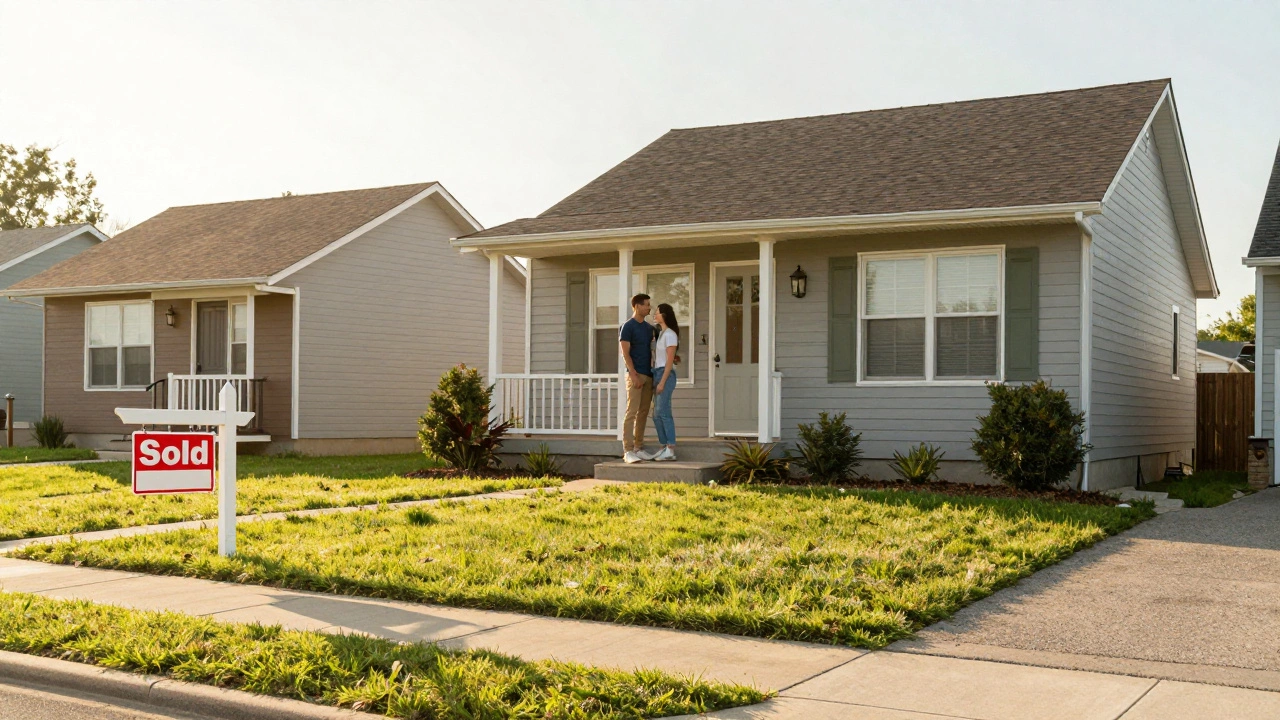
Affordable Housing Affordability Calculator
Your Details
Select a State to Analyze
Oklahoma
Median Price: $175,000
Low TaxesMississippi
Median Price: $158,000
CheapestKentucky
Median Price: $192,000
Best AppreciationWest Virginia
Median Price: $165,000
Lowest Tax RateNational Average
Median Price: $420,000
BenchmarkAnalysis for Oklahoma
Monthly Cost Breakdown
- Mortgage Principal & Interest: $0
- Property Tax (Est.): $0
- Insurance (Est.): $0
- Total Monthly: $0
Affordability Metrics
Buying a house used to be a straightforward milestone. Today, it feels like solving a complex math problem where the numbers rarely work out. With median home prices hovering near historic highs and mortgage rates fluctuating, finding a place that doesn't require selling a kidney is tough. But here is the good news: geography still matters more than ever. Some parts of the United States offer significantly better value than others.
If you are looking for the easiest state to get affordable housing in, you aren't just looking for cheap houses. You are looking for a combination of low purchase prices, manageable property taxes, and reasonable insurance costs. The answer isn't one single state, but rather a cluster of regions where your dollar stretches further than anywhere else.
The Data Behind "Affordable" Housing
To figure out which state is truly the easiest, we have to look beyond the sticker price of a home. A $150,000 house sounds great until you realize the annual property tax is $8,000 and the flood insurance is another $3,000. True affordability is measured by the Housing Affordability Index, which compares the income needed to qualify for a median-priced home against the actual median family income.
In 2026, the national average requires a household income of roughly $110,000 to afford a median-priced home at current interest rates. However, in several states, that number drops below $60,000. These states typically share three traits: slower population growth (which keeps demand steady), abundant land supply, and lower regulatory barriers to building new homes.
Top Contenders for Easiest Housing Access
Based on data from the National Association of Realtors and Census Bureau estimates for early 2026, three states consistently rank as the most accessible for buyers:
- Oklahoma: Often cited as the #1 most affordable state. The median home price hovers around $175,000. Property taxes are among the lowest in the nation, averaging less than 0.9% of assessed value. Oklahoma City and Tulsa offer urban amenities without coastal price tags.
- Mississippi: The absolute lowest median home price in the country, often dipping below $160,000. While job markets can be thinner outside major hubs like Jackson or Gulfport, the barrier to entry for ownership is virtually non-existent for those with stable remote work or local employment.
- Kentucky: A strong balance between affordability and infrastructure. Median prices sit near $190,000, but the state has seen steady appreciation, meaning your investment holds value better than in some stagnant markets. Louisville provides a robust economic engine.
Other notable mentions include West Virginia, Arkansas, and Missouri. Each offers sub-$200,000 entry points in many counties, making them ideal for first-time buyers who want to avoid the crushing debt loads seen in California or New York.
| State | Median Home Price | Avg. Property Tax Rate | Income Needed to Afford* |
|---|---|---|---|
| Oklahoma | $175,000 | 0.9% | $58,000 |
| Mississippi | $158,000 | 0.8% | $52,000 |
| Kentucky | $192,000 | 0.9% | $64,000 |
| West Virginia | $165,000 | 0.6% | $55,000 |
| National Average | $420,000 | 1.1% | $110,000 |
*Income needed assumes a 20% down payment and a 6.5% fixed mortgage rate.
Why These States Are More Affordable
You might wonder why these prices are so low. It’s not necessarily because the quality of life is poor. Instead, it comes down to supply and demand dynamics.
In states like Florida or Texas, massive migration flows have driven up demand faster than builders could construct homes. In contrast, states like Mississippi and Oklahoma have experienced slower net migration. This means there is plenty of inventory. When sellers compete for fewer buyers, prices stabilize or drop.
Additionally, zoning laws play a huge role. Many affordable states have less restrictive zoning, allowing for higher-density housing and easier expansion of subdivisions. This reduces the cost per square foot for developers, which eventually trickles down to the buyer.
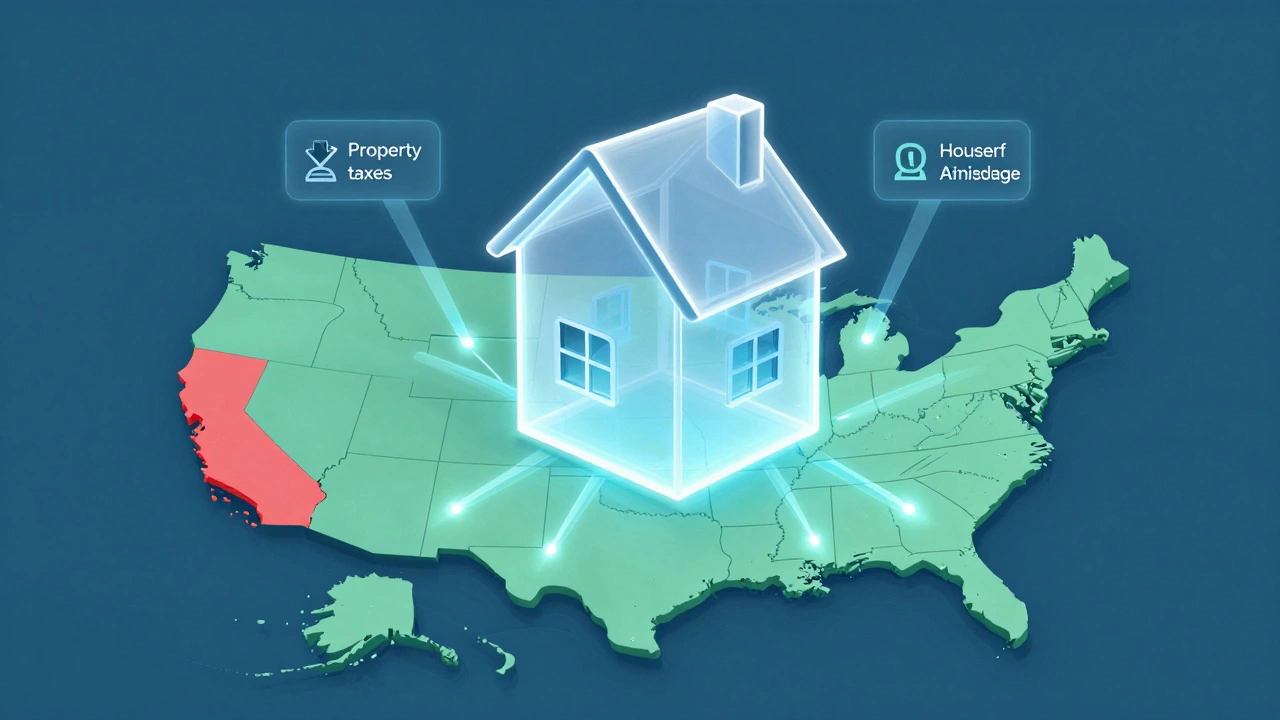
The Hidden Costs: Taxes and Insurance
A cheap house can become expensive quickly if you ignore carrying costs. Two big factors here are property taxes and homeowners insurance.
Property Tax varies wildly by state. In New Jersey, you might pay over 2% of your home's value annually. In Hawaii or Alabama, it can be under 0.5%. For the states listed above, Oklahoma and Kentucky fall into the low-to-moderate range. This means your monthly payment stays predictable.
Insurance is another wildcard. If you live in a hurricane-prone area like coastal Mississippi or Louisiana, your premiums will skyrocket regardless of how cheap the house is. Inland areas of these states, however, offer much lower rates. Always check the FEMA flood maps before signing anything. A $10,000/year flood insurance policy can erase the savings of buying a $50,000 cheaper home.
Job Market Considerations
Housing is only half the equation. You need an income to keep it. One common misconception is that affordable states lack jobs. While they may not have the tech hubs of Seattle or San Francisco, they are rich in other sectors.
Oklahoma has a booming energy sector and a growing logistics industry due to its central location. Kentucky is a hub for automotive manufacturing and healthcare. Mississippi relies heavily on agriculture, manufacturing, and tourism. If you work remotely, these states become even more attractive because you can earn a coastal salary while paying inland prices. This arbitrage is the golden ticket for modern homebuyers.

First-Time Buyer Programs in Affordable States
Many of these states offer specific grants or down payment assistance programs to help locals buy homes. For example, the Oklahoma Housing Finance Corporation offers various loan products with competitive rates and down payment assistance options. Similarly, Kentucky has the Kentucky Housing Corporation which provides down payment grants for qualified buyers.
These programs often require you to live in the home for a certain number of years, but they can reduce your upfront costs from 20% to as low as 3-5%. Combined with low home prices, this makes homeownership achievable for households earning well below the national median.
Future Outlook: Will Prices Rise?
A natural question is whether these low prices will last. Historically, affordable markets tend to appreciate slower than hot markets. However, they are also more resilient during downturns. Since prices haven't been inflated by speculation, there is less risk of a bubble bursting.
As remote work becomes permanent for more industries, expect to see gradual price increases in these states as people move in. But because the land supply is abundant, prices are unlikely to spike vertically like they did in Austin or Denver. You are likely getting in before the next wave of appreciation, rather than chasing it.
How to Start Your Search
If you are ready to explore these markets, start by narrowing down your criteria. Do you need to be near a city? Are you willing to commute? Use online tools to filter homes by price and then layer in data on school districts and crime rates. Drive through neighborhoods at different times of day. Talk to locals. Real estate is hyper-local, and a county line can make a huge difference in taxes and services.
Connect with a local real estate agent who specializes in first-time buyers. They will know which neighborhoods are up-and-coming and which ones have hidden issues. Don't rely solely on national platforms; local expertise is invaluable in smaller markets.
What is the cheapest state to buy a house in 2026?
Mississippi is currently the cheapest state to buy a house, with a median home price around $158,000. Oklahoma and West Virginia follow closely behind, offering median prices under $180,000. These states provide the lowest barrier to entry for homebuyers.
Is it easy to find jobs in states with affordable housing?
It depends on your industry. States like Oklahoma and Kentucky have strong energy, manufacturing, and logistics sectors. If you work remotely, you can earn a higher salary from elsewhere while living in these low-cost areas, making it very easy to manage finances.
Do affordable states have high property taxes?
Generally, no. Most of the most affordable states, including Mississippi, Oklahoma, and Kentucky, have some of the lowest property tax rates in the nation, often averaging below 1% of the home's assessed value. This helps keep monthly housing costs low.
Are there downsides to buying in affordable housing markets?
Yes. Homes may be older and require more maintenance. Property appreciation tends to be slower compared to high-growth markets. Additionally, some rural areas may have limited access to specialized healthcare or cultural amenities. It's important to weigh lifestyle preferences against financial benefits.
Can I use FHA loans in these states?
Yes, FHA loans are available nationwide. In fact, they are particularly popular in affordable housing markets because they allow for lower down payments (as low as 3.5%) and more flexible credit score requirements, making homeownership accessible to more buyers.