Villa Size Estimator
What's Your Villa Needs?
Answer these questions to get your ideal villa size recommendation for 2026.
Your Ideal Villa Size
Based on current 2026 market trends and sustainable design principles
Why this size?
When people ask how big is a villa house, they’re usually trying to figure out if it fits their lifestyle, budget, or family needs. There’s no single answer - villas range from cozy retreats to sprawling estates. But if you’re looking at villas for sale in 2026, here’s what you’re actually likely to find.
Typical Villa Sizes Around the World
Villas vary wildly depending on location, culture, and price point. In Australia, a standard luxury villa in Melbourne or Sydney usually sits between 250 and 400 square meters (2,700 to 4,300 square feet). That’s big enough for four bedrooms, two living areas, a home office, a garage, and a decent backyard. In contrast, Mediterranean-style villas in Spain or Italy often start around 300 square meters but can stretch past 600 square meters with terraces, courtyards, and guest wings.
In the U.S., especially in Florida or California, villas labeled as "luxury homes" commonly exceed 500 square meters (5,400 sq ft). Some even hit 800 square meters - think multiple wings, elevators, wine cellars, and infinity pools. But don’t assume bigger is always better. Many buyers in 2026 are shifting toward well-designed, medium-sized villas that prioritize function over square footage.
What Fits in a 300-Square-Meter Villa?
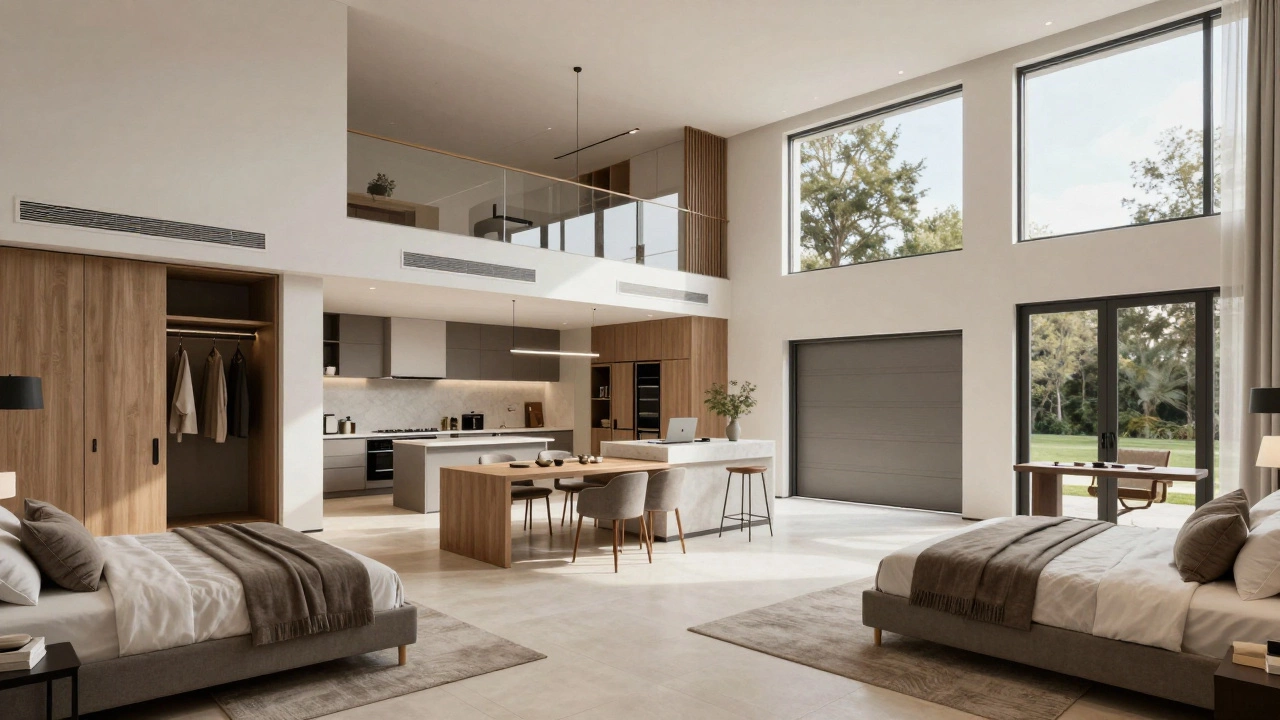
A 300-square-meter villa (about 3,200 sq ft) is the sweet spot for most families. Here’s a realistic breakdown:
- 4 bedrooms (master suite with walk-in closet and en-suite bathroom)
- 2 full bathrooms + 1 powder room
- Open-plan kitchen, dining, and living area (120+ sq m combined)
- Home office or study nook
- Double garage + extra storage
- Outdoor entertaining area (covered patio, pool, or garden)
This layout feels spacious without being overwhelming. It’s manageable for cleaning, heating, and maintenance. In 2026, energy efficiency matters more than ever. A 300-square-meter villa with solar panels, smart insulation, and efficient HVAC systems costs far less to run than a 700-square-meter monster with poor design.
What About Smaller Villas? Are They Still Villas?
Yes. In recent years, developers have started building "compact luxury villas" - often under 200 square meters (2,150 sq ft). These are popular with empty nesters, retirees, and remote workers who want privacy without the upkeep. They typically have 2-3 bedrooms, a single living area, and a smartly designed outdoor space. Think minimalist architecture, high-end finishes, and zero wasted space.
These smaller villas are often built on tighter lots, sometimes with shared green spaces or community amenities. In Melbourne’s outer suburbs, you’ll find them priced 30-40% lower than traditional villas - but they sell faster because they’re easier to maintain.
What Makes a Villa Different From a Mansion or Large Home?
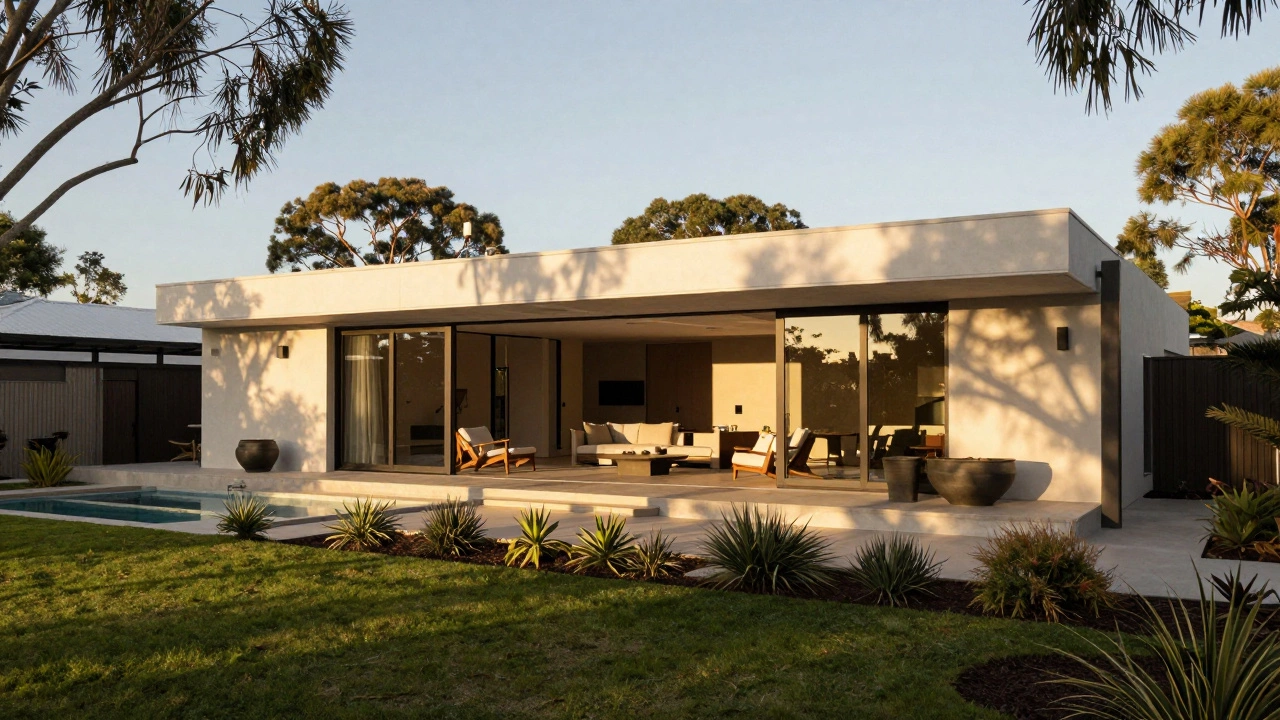
It’s not just size. A true villa has a specific character. It’s usually single-story or has a low profile, with outdoor living as a core part of the design. Unlike a mansion, which often feels formal and enclosed, a villa opens up to nature - think verandas, courtyards, and seamless indoor-outdoor flow.
Most villas also have a private, self-contained feel. Even in gated communities, each villa stands alone with its own driveway, garden, and entrance. That’s different from townhouses or duplexes, which share walls.
Also, villas rarely have more than two full stories. If a home has three or more levels, it’s usually called a mansion or estate - not a villa.
How Much Land Comes With a Villa?
Land size matters as much as the house. In Australia, a villa typically sits on 500 to 1,500 square meters of land. In high-density areas like inner-city Melbourne, you might get as little as 300 square meters - but expect a well-designed rooftop garden or vertical landscaping to make up for it.
In rural or coastal areas, villas often come with 2,000+ square meters. Some even include private access to beaches, lakes, or bushland. Buyers in 2026 are increasingly prioritizing usable outdoor space over sheer land area. A 1,000-square-meter block with a pool, pergola, and vegetable garden is more valuable than a 2,500-square-meter empty lot.
What’s Changing in Villa Design in 2026?
Three big shifts are reshaping villa sizes and layouts:
- Downsizing for sustainability. Homeowners are choosing smaller, smarter homes. The average villa built in 2026 is 15% smaller than one built in 2020.
- Multi-generational living. More villas now include a separate wing or annex for aging parents or adult children - often with its own entrance and kitchenette.
- Smart integration. HVAC, lighting, security, and irrigation are all controlled from one app. That means less need for big utility rooms or separate equipment spaces.
Designers are also ditching formal dining rooms in favor of open kitchen islands that double as homework stations or coffee bars. Walk-in closets are being replaced by smart wardrobe systems. Bathrooms are getting double vanities and heated floors - not extra tubs.
How to Decide What Size You Really Need
Don’t fall for marketing hype. Ask yourself:
- How many people live here full-time?
- Do you need a guest room, or will visitors stay in hotels?
- Do you entertain often? Or just want a quiet retreat?
- Are you willing to clean 400 square meters of floors twice a week?
- Can you afford the energy bills, insurance, and maintenance?
Many buyers think they need a huge villa because they’ve seen them on TV. But in reality, 70% of villa owners in 2026 say they wish they’d gone smaller. They spend less time cleaning, less money on bills, and more time enjoying their space.
If you’re unsure, try this: spend a weekend in a 300-square-meter rental villa. See how it feels. If you’re still thinking about rearranging furniture after two days, you might need more space. If you feel relaxed and uncluttered? You’ve found your size.
Final Thought: Bigger Isn’t Better - Better Is Better
When you’re looking at villas for sale, stop fixating on square meters. Focus on layout, natural light, outdoor access, energy efficiency, and how the space makes you feel. A 250-square-meter villa with a sun-drenched kitchen and a private garden can feel more luxurious than a 600-square-meter one with dark hallways and no connection to the outdoors.
In 2026, the best villas aren’t the biggest. They’re the ones that fit your life - not someone else’s dream.
What is the average size of a villa in Australia?
The average villa in Australia is between 250 and 400 square meters (2,700 to 4,300 square feet). In major cities like Melbourne and Sydney, most new luxury villas fall in this range. Smaller villas under 200 square meters are becoming more common, especially for retirees and remote workers. Larger villas over 500 square meters exist but are less typical and often come with higher maintenance costs.
Is a 300-square-meter villa considered large?
Yes, a 300-square-meter villa is considered a spacious, luxury-sized home in Australia. It comfortably fits four bedrooms, two bathrooms, an open-plan living area, a home office, and a garage. It’s large enough for families or those who entertain regularly, but not so big that it becomes difficult to maintain. Many buyers in 2026 consider this the ideal balance between comfort and practicality.
Do all villas have a pool?
No, not all villas have a pool. While pools are common in luxury villas - especially in warmer regions like Queensland or Western Australia - many newer villas, particularly in urban areas, skip the pool to reduce maintenance, water use, and cost. Instead, they focus on outdoor entertaining areas with fire pits, pergolas, or landscaped gardens. A pool is a luxury feature, not a requirement.
Can a villa be two stories?
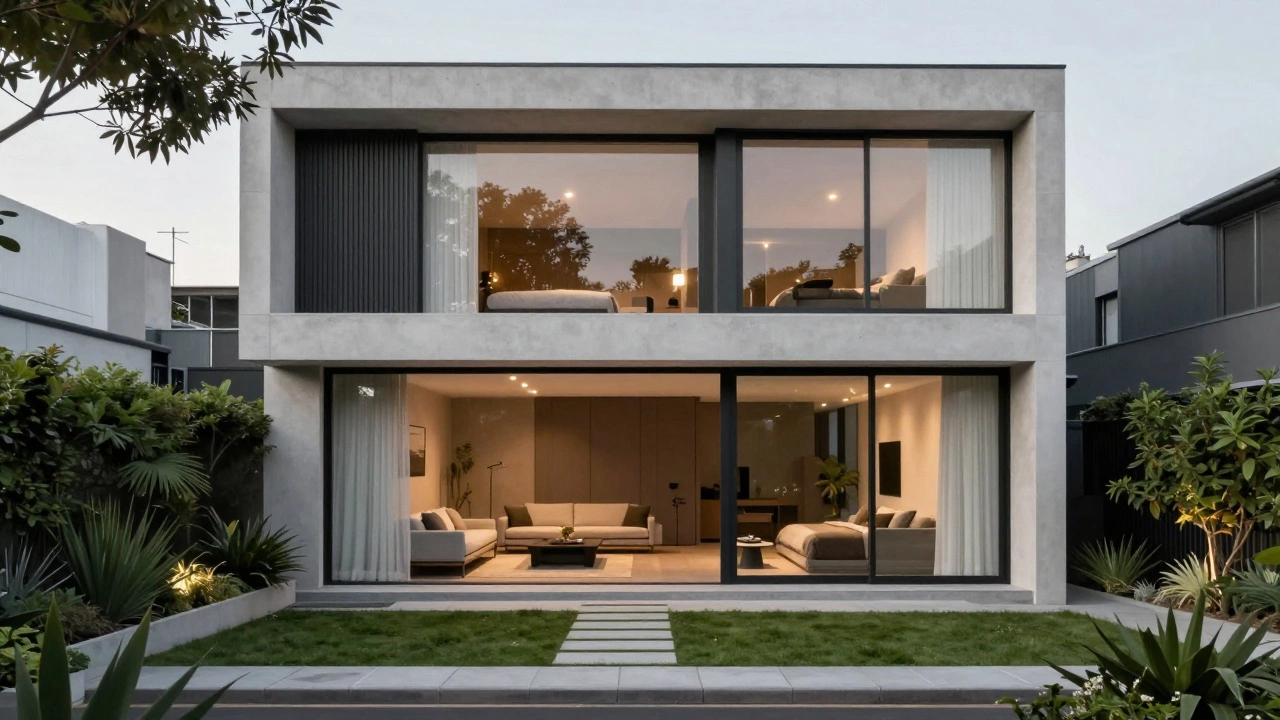
Yes, many villas are two stories, but they rarely have three or more. A two-story villa is common in areas where land is limited, like suburban Melbourne or coastal towns. The design usually keeps the main living areas on the ground floor and bedrooms upstairs for privacy. The key to a villa is its low-profile, open feel - so even two-story villas avoid tall, boxy designs.
How much land should a villa come with?
In Australia, a typical villa sits on between 500 and 1,500 square meters of land. In inner-city areas, you might get as little as 300 square meters, while rural or coastal villas often have 2,000 square meters or more. What matters most is how the land is used. A well-designed 800-square-meter block with a garden, deck, and pool is more valuable than a 2,000-square-meter empty lot.
When you’re shopping for a villa, remember: size is just one number. The right one feels like home - not a showroom.