
Residency Document Reliability Checker
Not all documents prove when you became a legal resident. Select the documents you currently possess to see if they are sufficient for property registration and tax purposes.
Reliability Score
Analysis Pending
Select the documents you have on hand to check their validity for proving your residency start date.
Imagine standing in front of a notary or a government clerk, ready to sign the papers for your new home. The official asks for one specific document: proof of when you became a legal resident. You hesitate. You know you’ve lived here for years, but you don’t have the exact date written down anywhere. This is a common panic moment for homeowners and investors alike.
Knowing your exact legal residency start date isn’t just about bureaucracy. It directly impacts your ability to register property, claim tax benefits, and avoid penalties. In many jurisdictions, including Australia where I live, this date determines whether you are taxed as a resident or a non-resident on capital gains from property sales. Getting it wrong can cost you thousands.
Finding this date requires digging into official records rather than relying on memory. Here is exactly how to track down that critical piece of information so you can complete your property registration without delays.
Why the Exact Date Matters for Property Owners
You might wonder why a few weeks or months matter. For general life events, they usually don’t. For property registration and taxation, every single day counts. When you buy real estate, the authorities need to know your residency status at the time of purchase and at the time of sale.
In Australia, for example, the Australian Taxation Office (ATO) uses your residency status to determine if you pay tax on worldwide income or just local income. If you sell a property, the capital gains tax rate depends heavily on whether you were a resident owner during the period you held the asset. A mistake here doesn’t just mean a form error; it means an incorrect tax return, which triggers audits and fines.
Furthermore, some states offer stamp duty concessions for first-home buyers who are permanent residents. If your residency start date falls after the purchase date, you might lose out on these savings. Conversely, proving early residency can help you qualify for lower interest rates on mortgages designed for citizens and permanent residents.
Where to Find Your Official Residency Start Date
The "date" you are looking for is rarely labeled clearly as "Residency Start Date." Instead, it is hidden within various official documents. You need to look for the earliest evidence of your legal right to reside permanently in the country.
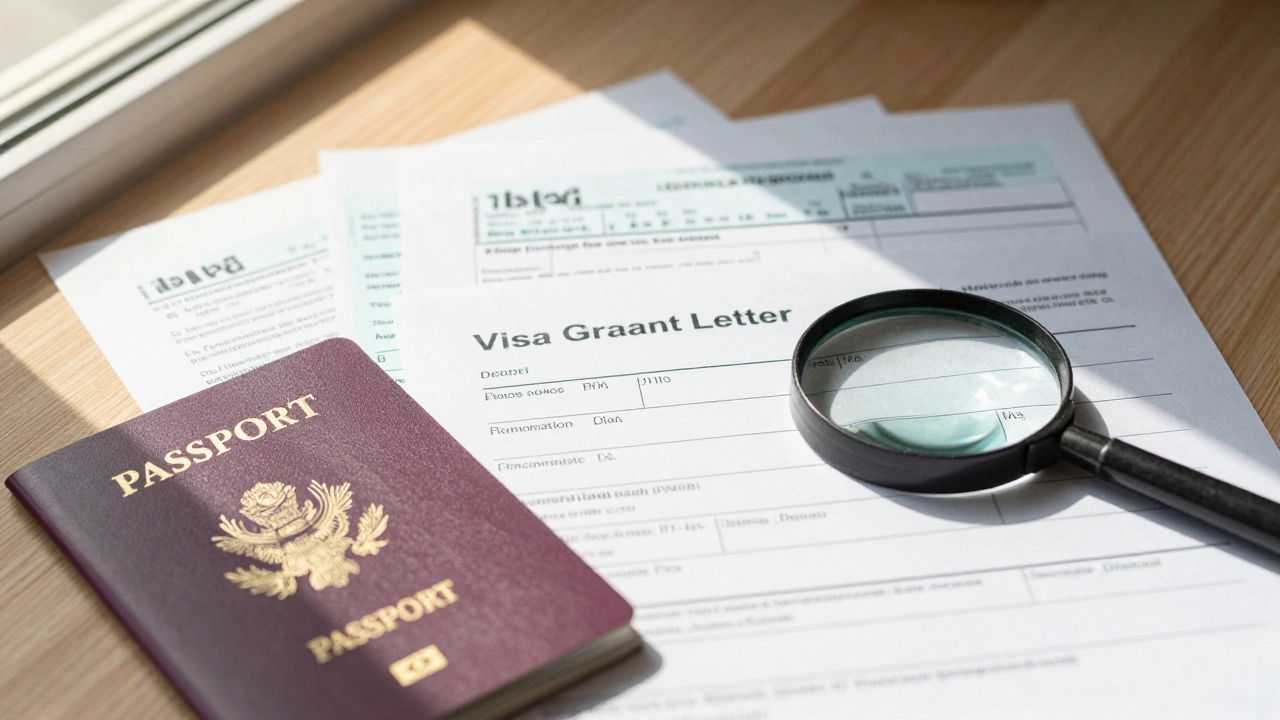
- Visa Grant Letters: If you moved to the country on a temporary visa that later converted to permanent residency, check your original grant letter. Look for the "Date of Grant" or the date your visa conditions allowed you to work and live indefinitely.
- Permanent Resident Visa Labels: Older passports often had physical stickers. These labels contain a validity start date. Even if the visa has expired, the initial grant date remains your residency start point.
- Citizenship Certificates: If you naturalized, your citizenship certificate will list the date you took the oath. While this is your citizenship date, your residency likely started earlier when you received permanent residency.
- Tax File Number (TFN) Records: In Australia, applying for a TFN often coincides with establishing residency. Your first tax assessment notice might indicate your residency status for that financial year.
- Bank Account Statements: Opening a full-service bank account usually requires proof of address and residency. The date you opened your first primary account can serve as supporting evidence, though it is not definitive proof on its own.
If you cannot find any of these, do not guess. Contact the relevant immigration department. In Australia, this is the Department of Home Affairs. They can provide a formal statement of your visa history, which includes the exact date your permanent residency was activated.
Digital Tools for Tracking Immigration History
Gone are the days when you had to wait weeks for paper files. Most countries now offer digital portals where you can view your immigration history instantly. These platforms are secure and provide legally binding documents that officials accept for property transactions.
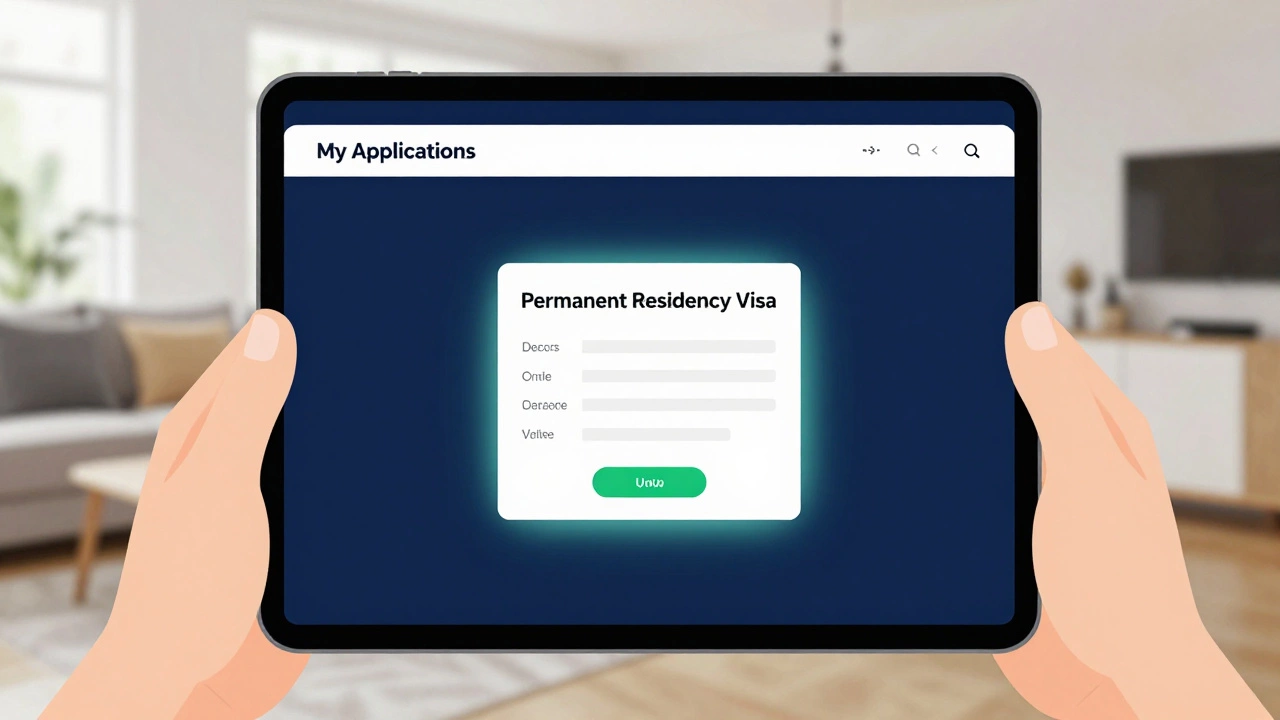
In Australia, the ImmiAccount is the online portal managed by the Department of Home Affairs for managing visa applications and viewing grant details. Once you log in, navigate to the "My Applications" section. Select the visa that granted you permanent residency. Click on "View Details" or "Download Grant Letter." This PDF file contains the precise date your residency status began. Save this file securely; you will likely need it for future property sales or refinancing.
Other countries have similar systems. For instance, the United States offers the USCIS Online Account, while Canada provides the IRCC Portal. These tools allow you to download verification letters that state your status explicitly. Always ensure the document is recent, as some banks prefer verification letters issued within the last three months.
Common Pitfalls to Avoid
Many people make simple mistakes that delay their property registration. Understanding these pitfalls can save you time and frustration.
- Confusing Arrival Date with Residency Date: The day you landed in the country is not necessarily your legal residency date. You might have arrived on a tourist visa and only gained residency rights months or years later. Use the visa grant date, not the flight arrival date.
- Relying on Utility Bills Alone: While utility bills prove where you live, they do not prove your legal status. A landlord can put utilities in your name even if you are on a temporary visa. Officials require immigration documents, not just address proofs.
- Ignoring State-Specific Rules: Property laws vary by region. In Victoria, Australia, the rules for foreign investment differ slightly from New South Wales. Always check with a local conveyancer or solicitor to understand what specific documents your state’s land registry requires.
- Using Expired Passports Without Context: An old passport shows you were in the country, but without the corresponding visa label or grant letter, it is incomplete evidence. Pair your passport with the official visa documentation.
If you have lost all physical copies of your visa grants, do not panic. Request a replacement through the digital portal or write to the immigration authority. Mention that you need it for property registration purposes, as this often expedites the process.
Comparison of Proof Documents
| Document Type | Reliability for Residency Date | Ease of Access | Accepted by Land Registry? |
|---|---|---|---|
| Visa Grant Letter | High (Definitive) | Medium (Requires Login) | Yes |
| Citizenship Certificate | Medium (Shows Citizenship, Not Initial Residency) | Low (Hard to Replace) | Sometimes |
| Passport Entry Stamp | Low (Shows Arrival, Not Status) | High (In Hand) | No |
| Tax Assessment Notice | Medium (Supporting Evidence) | High (Online Portal) | As Secondary Proof |
| Utility Bill | Very Low (Proof of Address Only) | High | No |
As the table shows, the Visa Grant Letter is the gold standard. It leaves no room for interpretation. If you have multiple visas, always use the one that first granted you permanent or indefinite residency rights.
Next Steps for Property Buyers
Once you have located your residency start date, take the following steps to ensure smooth property registration:
- Digitize Everything: Scan your visa grant letter, passport bio-page, and any related correspondence. Store them in a secure cloud folder accessible from your phone and computer.
- Consult a Conveyancer: Share the document with your legal representative handling the property transfer. Ask them specifically if the date meets the requirements for any stamp duty exemptions you are claiming.
- Update Your Tax Profile: Ensure your tax advisor knows this date. If you plan to sell the property in the future, this date will be crucial for calculating capital gains tax exemptions.
- Verify State Requirements: Check with your local land titles office. Some regions require a certified copy of the visa grant letter, meaning you must have it stamped by a justice of the peace or lawyer.
By taking these proactive steps, you turn a potential bureaucratic hurdle into a straightforward administrative task. You gain clarity on your legal status, protect yourself from tax errors, and ensure your property ownership is documented correctly from day one.
What if I lost my visa grant letter?
You can request a duplicate or a formal statement of your visa history from the immigration department. In Australia, log in to ImmiAccount and download the grant details. If you do not have an account, contact the Department of Home Affairs directly to verify your identity and request the document.
Does my residency date affect mortgage interest rates?
Yes, indirectly. Banks often offer better rates to permanent residents and citizens because they are considered lower risk than temporary visa holders. Proving long-term residency can help you qualify for these competitive rates.
Can I use a driver's license as proof of residency date?
No. A driver's license proves your identity and current address, but it does not prove your legal immigration status or the date you became a resident. Immigration documents are required for property registration purposes.
How far back do I need to prove residency?
You need to prove the date you first became a permanent resident. If you are claiming a tax exemption based on residency duration, you may need to show continuous residency from that initial date until the present.
Is the residency date different for tax purposes vs. property registration?
Generally, no. Both rely on your immigration status. However, tax authorities might have specific tests for "factual residency" if you travel frequently. For property registration, the visa grant date is usually sufficient.