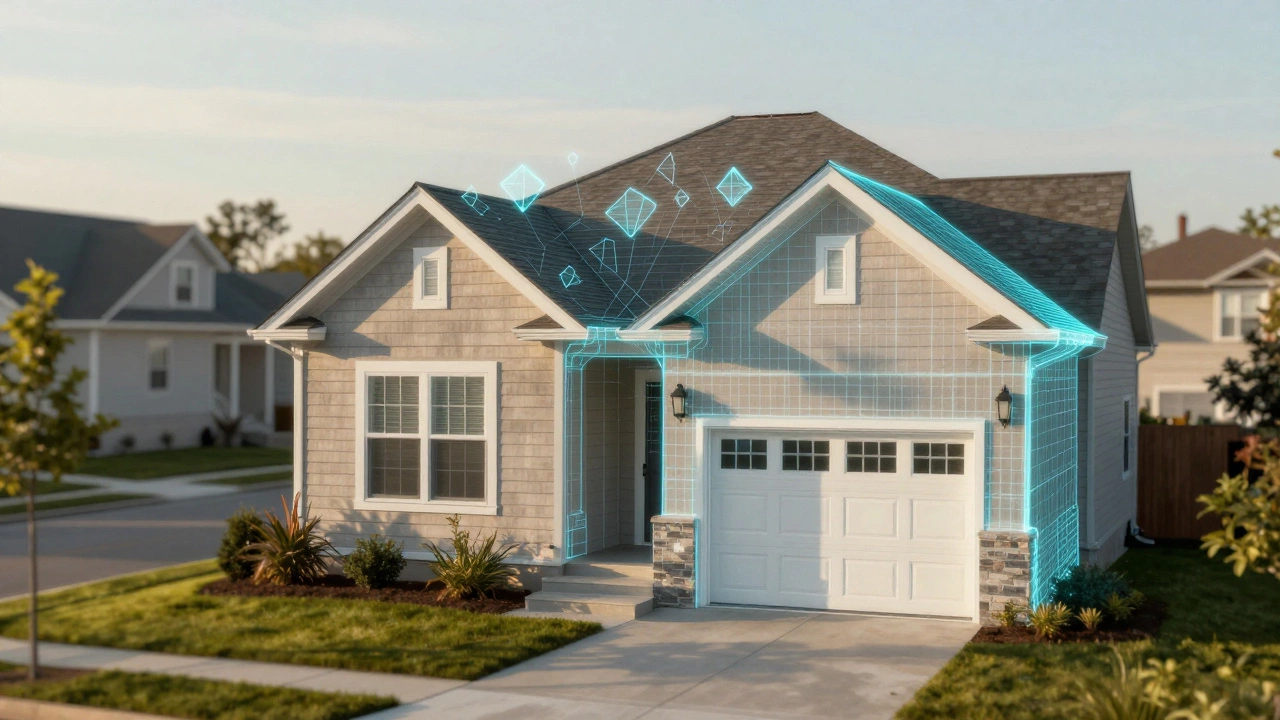
Valuation Accuracy & Risk Checker
Assess Your Estimate Risk
Online estimates often carry a 3-5% error margin. In volatile markets, this can exceed 10%. Calculate your exposure.
- Standard AVM: 3-5% Error
- Volatile Areas: Up to 10%+ Error
- Professional Appraisal: Less than 1%
Analysis Results
Why does this vary?
Automated models cannot verify unpermitted renovations, structural issues, or interior upgrades. Public records also suffer from time lags, causing estimates to miss recent market shifts.
You open the app, type in an address, and see a number. It feels like magic, but is that Zillow estimate actually trustworthy? In today’s fast-moving property market, relying on a single digit can cost you thousands. While tools have improved since the pandemic era, the reality is nuanced. As of March 2026, digital valuations offer a snapshot, not a diagnosis.
Zillow is an American real estate marketplace company known for its proprietary automated valuation model. The company launched in 2006 and has grown to become a primary source of property data for millions of Americans and international investors. The platform uses proprietary algorithms to calculate estimated values for homes listed publicly or sold recently. However, many homebuyers treat this number as gospel, which is where things get risky. If you are investing in US real estate from overseas, or simply tracking your equity, understanding the mechanics behind the scene matters more than the figure itself.
How the Algorithm Actually Works
To understand accuracy, you need to know what feeds the machine. The system doesn’t just guess; it pulls data from public records and private listings. It combines square footage, bedroom counts, and recent sales in your zip code. This method is technically known as an Automated Valuation Model which uses statistical modeling to estimate property value.
The model relies heavily on the Multiple Listing Service, a database shared by real estate professionals to publish available properties. When a house sells, that sale price enters the feed. The software assumes similar houses sell similarly. For example, if two identical townhouses sit next to each other and one sells for $800,000, the software expects the other to fetch close to that amount. But this logic assumes everything is standard. It ignores interior upgrades, structural cracks, or unique curb appeal.
In 2026, the tech is better than it was five years ago. They incorporate tax records and sometimes user-submitted updates. However, they still cannot walk through your kitchen to see the granite countertops or notice water damage under the floorboards. This limitation creates a gap between the digital estimate and physical reality.
The Truth About Error Rates
Every valuation method has a margin of error. You won’t find a disclaimer hidden in fine print telling you exactly how far off you might be, but historical data gives us clues. Over the last decade, the national median error rate has hovered around three percent. That sounds small until you apply it to high-value assets.
| Method | Data Source | Accuracy Range | Cost |
|---|---|---|---|
| Automated Valuation Model | Public Records, MLS | 3% - 5% Margin | Free |
| Broker Price Opinion | Local Market Knowledge | 1% - 3% Margin | $300 - $500 |
| Professional Appraisal | Physical Inspection + Data | Less than 1% | $400 - $600 |
As shown in the table above, a professional appraisal typically beats the algorithm because a human inspects the asset. In volatile neighborhoods, error rates can spike to ten percent or higher. If you are looking at a fixer-upper in a gentrifying area, the digital estimate might lag significantly because recent comparable sales haven’t happened yet. Conversely, in stable suburbs, the prediction holds up surprisingly well.
Why Online Numbers Often Miss
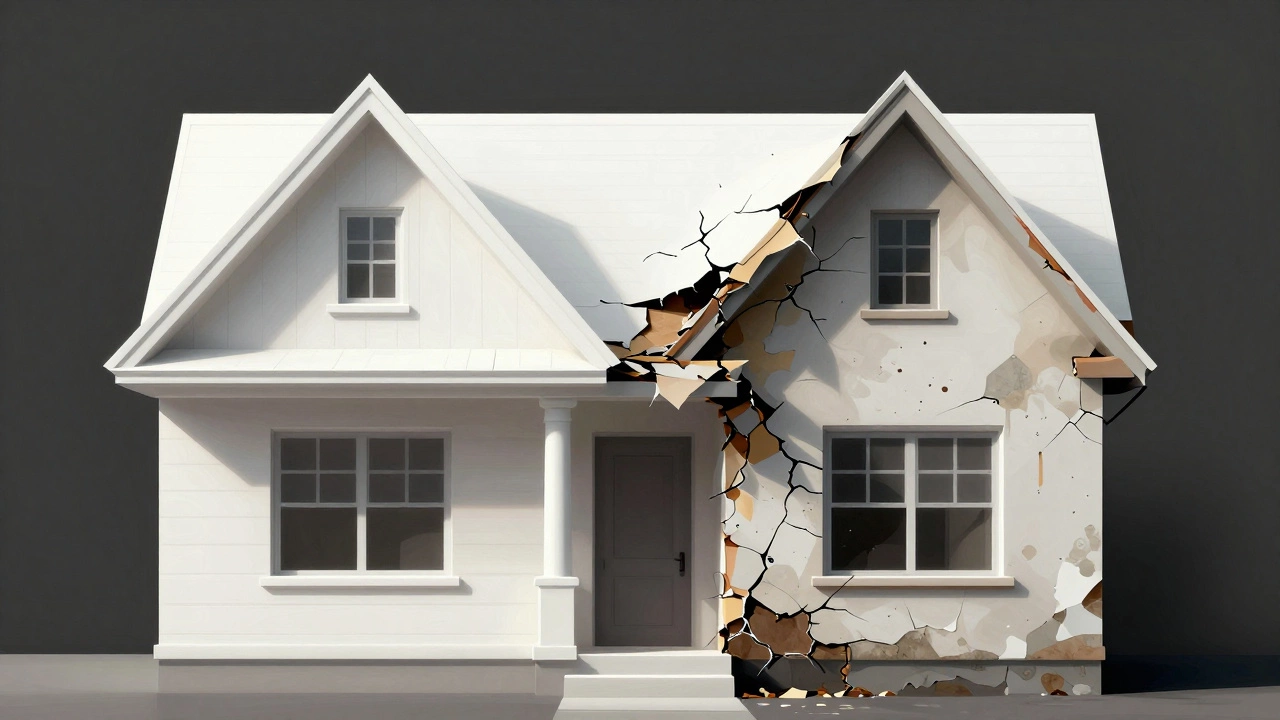
There are several blind spots that even the smartest AI struggles to navigate. One major issue is time lag. Public records often take months to update after a sale closes. By the time the database refreshes, the market may have shifted. If interest rates dropped in January 2026 causing a surge in demand, the estimates won't reflect that speed.
Another common pitfall involves unpermitted work. If a homeowner built a room over their garage without city approval, the official records show nothing. The algorithm sees a smaller square footage and undervalues the property. This is why an agent performs a Comparative Market Analysis manually review of similar properties to determine fair market value instead of trusting software alone.
Furniture and staging also play a role. Online photos make a dilapidated house look modern. The software analyzes the listing description but cannot judge the quality of finishes. This disconnect often leads to offers being placed too aggressively or too conservatively based on incomplete data.
Difference Between Estimate and Appraisal
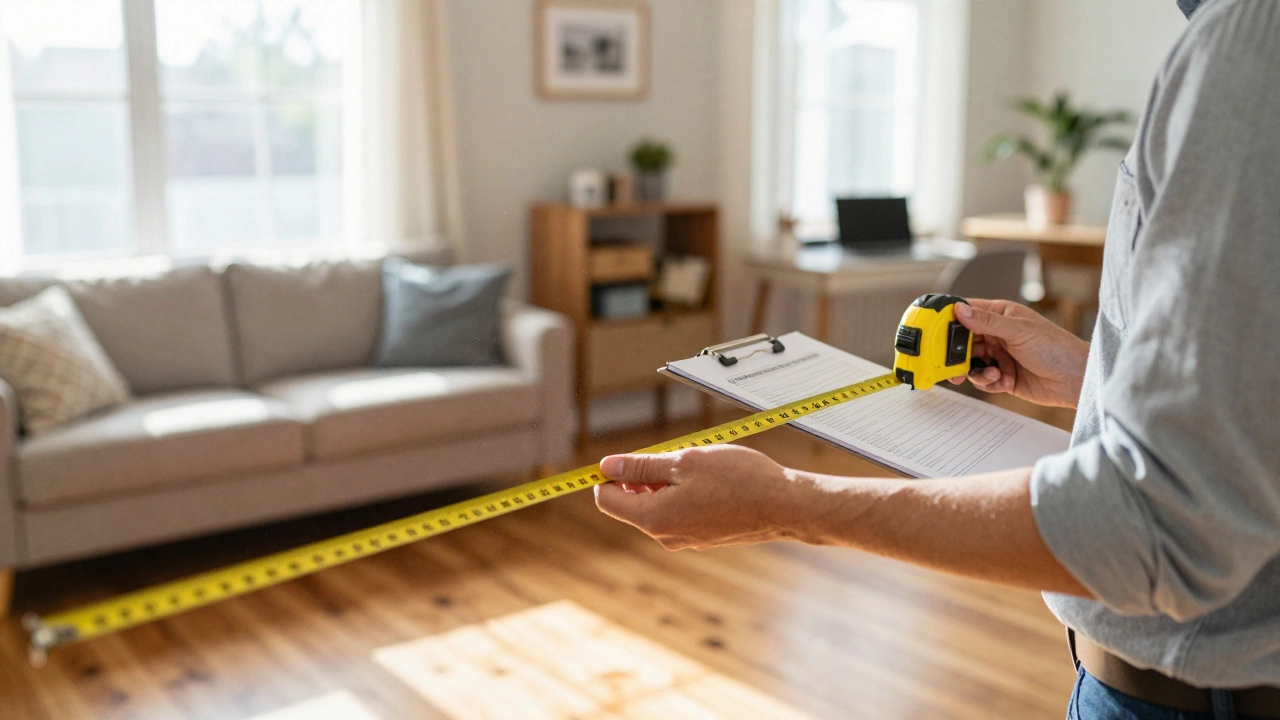
Banks never rely on these tools for lending purposes. Before approving a mortgage, a lender requires a formal appraisal. This report comes from a certified professional who physically visits the site. They measure rooms, check the roof, and inspect mechanical systems. This level of scrutiny ensures the bank isn't over-lending against a crumbling foundation.
If you plan to sell, knowing the difference saves headaches during negotiations. A buyer’s agent might push you down toward the lowest online estimate to justify a lower bid. If the official appraisal comes back higher, you win. If it comes back lower, you might have to cover the difference in closing costs. Using multiple data points creates a safety buffer.
Practical Tips for Investors
Since you might be looking at properties online, here is how to use the tool without falling into traps. First, use the number as a range, not a target. Look at the "price history" section to see how much the property has appreciated over the last few years. This trend line tells you more than the static number.
- Check the map view: Are neighboring sales consistent?
- Filter out outliers: Ignore houses sold in distress situations.
- Update the year built: Old records skew value down.
- Contact a local expert: Even one hour with an agent clarifies trends.
Remember, real estate is hyper-local. A house in Melbourne Beach, Florida, behaves differently from one in San Francisco. Algorithms average out quirks that specific street corners possess. Being an informed buyer means cross-referencing this data with local sentiment.
International Buyers Note
If you are browsing from Australia, keep in mind that this platform covers the United States exclusively. There is no equivalent database for Australian real estate with this depth of automation. Services here function differently, often relying on auction results and vendor profiles. Understanding jurisdictional limits prevents confusion when applying these strategies globally.
What is the median error rate for the estimate?
The national median error rate usually falls between 3% and 5%, depending on whether the home is currently listed or owned.
Does Zillow account for recent renovations?
Only if those renovations were permitted and recorded in public tax files. Unrecorded upgrades are often missed.
Can I use this number for a loan application?
No, lenders require a certified appraisal performed by a licensed professional before funding a mortgage.
Why does my estimate change weekly?
The algorithm adjusts constantly based on new sales data and changes in local market conditions like inventory levels.
Are owner-updated details reliable?
Owner updates help accuracy but aren't verified independently, so treat them as claims rather than confirmed facts.