
Virginia Tenant Rights & Deposit Calculator
Enter your rental details to verify if your landlord's charges or actions comply with Virginia state law.
Security Deposit Check
Eviction Notice Timeline
For non-payment of rent, landlords must provide a specific notice period before filing suit.
Signing a lease in the Commonwealth of Virginia comes with a specific set of rules that often catch renters off guard. Unlike some states that offer broad, sweeping protections, Virginia tenant rights are defined by a mix of state statutes and local ordinances, primarily centered around the Residential Landlord and Tenant Act. If you are renting an apartment in Richmond or a townhouse in Arlington, knowing exactly what your landlord can and cannot do is crucial for keeping your money and your sanity.
The biggest mistake renters make is assuming their verbal agreements hold up in court. They don’t. In Virginia, the written lease is king, but it must align with state law. If a clause in your contract contradicts Virginia Code Title 55.1, that clause is void. This article breaks down the essential legal protections you have from the moment you sign until the day you get your security deposit back.
Key Takeaways for Virginia Renters
- Security Deposits: Landlords can charge no more than two months’ rent as a security deposit.
- Return Timeline: Your deposit (minus damages) must be returned within 45 days of move-out.
- Eviction Notice: For non-payment of rent, landlords must give a 5-day pay-or-quit notice before filing suit.
- Habitability: Landlords must maintain safe conditions; they cannot ignore major repairs like broken heating or plumbing.
- Retaliation Protection: It is illegal for a landlord to raise rent or threaten eviction just because you complained about code violations.
Understanding Your Lease Agreement
Your lease is a binding legal contract between you and the property owner. While you can negotiate terms before signing, once ink hits paper, both parties are bound by its contents, provided those contents are legal. A common pitfall involves "automatic renewal" clauses. Many Virginia leases renew automatically on a month-to-month basis unless either party gives proper notice, usually 30 to 60 days depending on the lease term. Missing this window means you might owe rent for another full period even if you planned to leave.
Another critical aspect is the lease agreement Virginia structure regarding guests and subletting. Standard leases strictly limit how long guests can stay without being added to the lease. If your partner moves in after three months but isn't on the lease, they technically have no tenancy rights, which can complicate things during a breakup or dispute. Always check the guest policy before inviting someone to stay long-term.
Security Deposit Rules and Regulations
Money matters most when you move out. Under Virginia law, there is a hard cap on how much a landlord can ask for upfront. The maximum security deposit is two months' rent. This applies regardless of whether you have pets or not, though separate pet deposits may apply if clearly stated in the lease. Note that these deposits are held in trust, meaning the landlord cannot use them for personal expenses while you live there.
The return process is where disputes frequently arise. Within 45 days of terminating the tenancy, the landlord must provide an itemized list of deductions and return the remaining balance. Normal wear and tear-like faded paint or minor carpet traffic patterns-cannot be deducted. However, holes in walls, broken windows, or uncleaned appliances can cost you. To protect yourself, take timestamped photos of every room upon move-in and move-out. This evidence is invaluable if you end up in small claims court.
| Aspect | Legal Requirement | Renter Action |
|---|---|---|
| Maximum Amount | Two months' rent | Negotiate lower if possible; verify lease terms. |
| Storage | Separate interest-bearing account | Ask for bank details if holding exceeds 12 months. |
| Return Deadline | 45 days post-move-out | Send written forwarding address immediately. |
| Deductions | Unpaid rent, damages beyond normal wear | Document condition with photos/video. |
Habitability and Repair Responsibilities
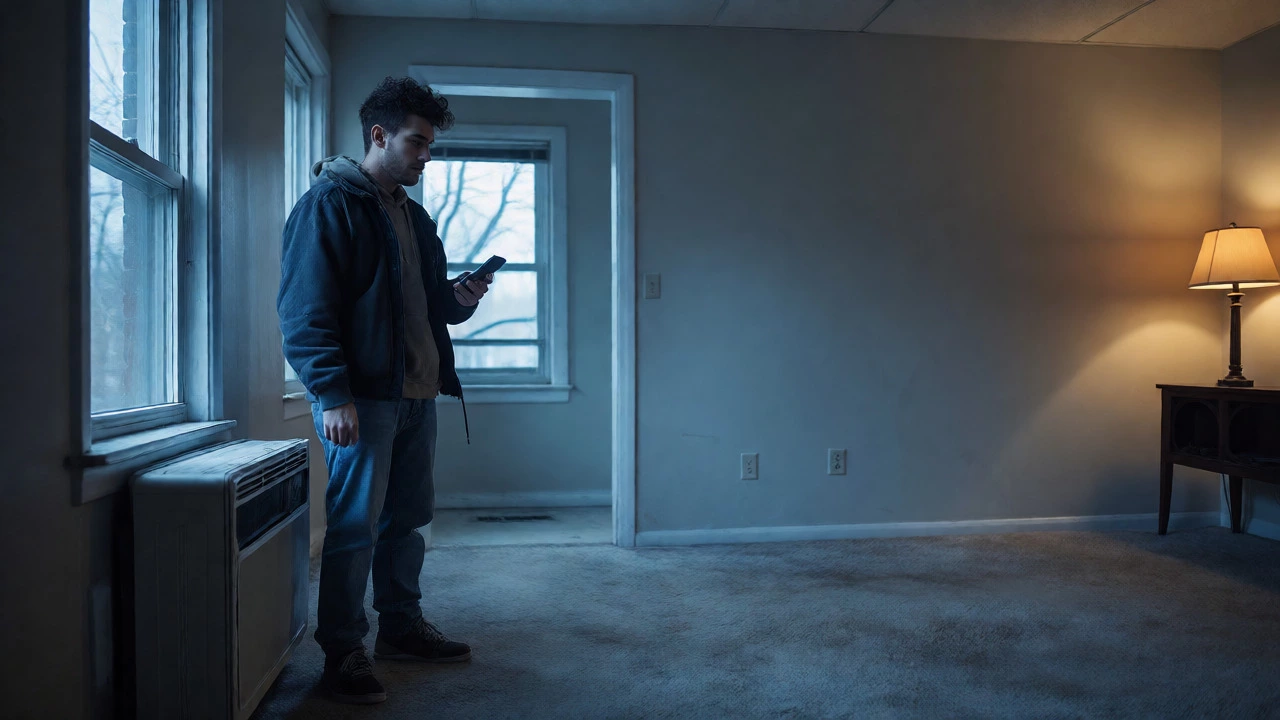
You have the right to a habitable home. This concept, known as the implied warranty of habitability, requires landlords to keep the premises fit for human occupation. This includes functioning heat, running water, safe electrical systems, and structural integrity. If your heater dies in January, the landlord has a duty to fix it promptly.
What happens if they don’t? Virginia offers a few remedies. First, you can report the issue to local code enforcement. If cited, the landlord must fix it. Second, under certain conditions, you may be able to use the "repair and deduct" method, though this is risky and requires strict adherence to procedural rules, including giving written notice and allowing reasonable time for repair. Never withhold rent entirely without legal advice, as this can trigger eviction proceedings.
Minor issues, like a dripping faucet or a sticky door, generally fall under tenant responsibility unless caused by structural defects. Distinguishing between "major" and "minor" repairs is subjective, so document everything. Keep a log of requests and responses. If a repair takes weeks, your paper trail proves negligence.
Eviction Process and Protections
Eviction is not instant. A landlord cannot change the locks, remove your belongings, or shut off utilities to force you out. This practice, called "self-help eviction," is illegal in Virginia. Instead, they must go through the court system. For non-payment of rent, the landlord must first serve a 5-day Pay-or-Quit notice. This gives you five days to pay the overdue amount or vacate.
If you pay within those five days, the eviction stops. If you don’t, the landlord files an unlawful detainer lawsuit. You will receive a summons to appear in General District Court. Showing up is critical. If you fail to appear, the judge will rule in favor of the landlord by default. Common defenses include improper service of notice, retaliation, or failure to maintain habitability. Remember, only a sheriff can physically evict you after a court order is issued.
Privacy and Entry Rights
Do you own the space you rent? Legally, no, but you have exclusive possession. This means the landlord cannot walk into your apartment whenever they please. Except in emergencies (like a burst pipe or fire), landlords must provide reasonable notice before entering. While Virginia statute doesn't specify exact hours for all situations, "reasonable notice" is typically interpreted as 24 to 48 hours in standard practice and many local ordinances.
Check your lease for entry clauses. Some aggressive leases claim the right to enter daily for inspections. Courts often strike these down as unreasonable. If a landlord enters without permission or emergency justification, you can request they stop. Repeated violations can be grounds for claiming constructive eviction or harassment.
Retaliation Against Tenants
Fear of retaliation keeps many tenants silent about problems. If you complain to a housing authority about mold, can your landlord raise your rent or refuse to renew your lease? Virginia law protects you here. Retaliatory actions are presumed if they occur within six months of your complaint. These actions include increasing rent, decreasing services, or threatening eviction.
To prove retaliation, timing is everything. If you reported a violation on March 1st and received a rent hike notice on April 15th, the burden shifts to the landlord to prove the increase was based on legitimate factors, such as rising property taxes or market adjustments, rather than your complaint. Keep copies of all complaints and correspondence to establish this timeline.
Ending the Tenancy Early
Life changes-job transfers, new relationships, financial hardship-often require breaking a lease early. Virginia does not have a universal "early termination" right for all reasons. Unless your lease has a buyout clause or you qualify for military deployment (SCRA protection) or domestic violence situations, you are liable for rent until the lease ends or a new tenant is found.
Landlords have a duty to mitigate damages, meaning they must make a reasonable effort to re-rent the unit. If they find a new tenant quickly, your liability decreases. However, you may still owe advertising costs and a portion of the rent for the vacancy period. Negotiating a mutual termination agreement in writing is always better than simply stopping payments.
How much notice does a landlord need to give to enter my apartment?
While Virginia state law mandates "reasonable notice," most leases and local interpretations define this as at least 24 hours. Exceptions exist for genuine emergencies like fires, floods, or immediate safety threats where no notice is required.
Can my landlord keep my security deposit for cleaning fees?
Yes, but only if the unit is left significantly dirtier than when you moved in. Normal cleaning expected of any tenant is considered part of "normal wear and tear." Excessive grime, grease buildup in ovens, or unremoved trash can justify deductions. Document the condition upon move-out to dispute unfair charges.
What happens if I break my lease early in Virginia?
You remain responsible for rent until the lease expires or a new tenant takes over. The landlord must try to re-rent the unit. You may owe rent for the vacant period plus reasonable costs for advertising and showing the property. Check your lease for specific early termination penalties or buyout options.
Is rent control available in Virginia?
Generally, no. Virginia prohibits localities from enacting rent control measures. This means landlords can increase rent by any amount at the end of a lease term, provided they give proper notice. However, increases cannot be retaliatory or discriminatory.
Can a landlord evict me without going to court?
No. Self-help evictions, such as changing locks or removing belongings, are illegal. The landlord must file an unlawful detainer action in General District Court and obtain a writ of eviction executed by the sheriff.
Next Steps for Renters
Knowing your renter protections VA empowers you to handle disputes confidently. Start by reading your current lease line-by-line against the Virginia Residential Landlord and Tenant Act. Identify any clauses that seem to waive your statutory rights, as those are likely unenforceable.
If you are facing a dispute, document everything in writing. Emails are better than phone calls. If negotiations fail, consult with a local tenant advocacy group or a lawyer specializing in real estate law. Small claims court is a viable option for deposit disputes under $5,000, offering a relatively quick and inexpensive resolution path. Stay informed, keep records, and never assume your landlord knows the law better than you do.