Villa Style Identifier
Property Characteristics
Select the features that match the property you are analyzing.
Select property features and click Analyze to see if it qualifies as a villa.
When you hear the word "villa," what picture pops into your head? Is it a crumbling stone farmhouse in Tuscany, or maybe a sleek, glass-walled mansion overlooking the ocean in California? The truth is, the definition of a villa has stretched far beyond its ancient Roman roots. Today, a villa isn't just one specific style; it's a category of detached, single-family homes that prioritize privacy, space, and a strong connection to the outdoors.
If you are looking at villas for sale, understanding what they actually look like can save you from buying a house that doesn't fit your lifestyle. Whether you are dreaming of a minimalist concrete box or a sprawling Mediterranean estate, knowing the architectural DNA of these homes helps you spot the real deal.
The Core Anatomy of a Villa
At its simplest level, a villa is defined by what it is not. It is not an apartment. It is not a townhouse with shared walls. It is a standalone structure on its own plot of land. But visually, how do you recognize one?
Most modern villas share three visual traits:
- Detached Structure: You can walk all the way around the building without touching another property. This isolation is the primary visual cue.
- Ground-Level Living: Unlike high-rise condos, villas are typically one or two stories max. They hug the ground rather than reaching for the sky.
- Indoor-Outdoor Flow: Large sliding doors, patios, terraces, and private gardens are not just add-ons; they are central to the design.
Think of a standard suburban house as a shoebox. Now imagine taking the walls off that shoebox and replacing them with glass, then adding a massive backyard. That’s the basic visual shift from a regular home to a villa.
Modern Minimalist Villas: Less is More
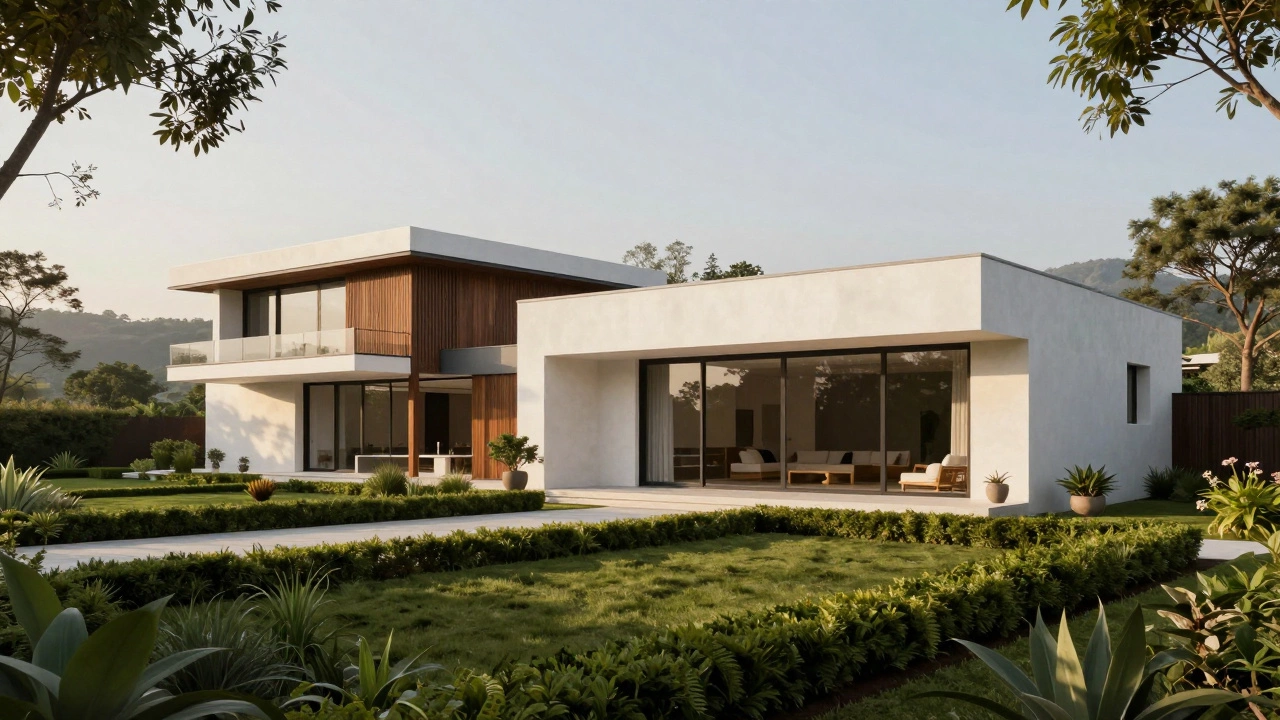
In cities like Melbourne, Sydney, and across Europe, the modern minimalist villa has become the gold standard for luxury. These homes look like art installations. They feature clean lines, flat roofs, and a lack of ornate decoration.
Visually, these villas often use a palette of white stucco, dark timber cladding, and large expanses of glass. The rooflines are usually low-slung to blend with the landscape. Inside, the layout is open-plan, meaning you might see the kitchen, dining area, and living room as one continuous space. There are no hallways wasting space. The focus is on natural light flooding in through floor-to-ceiling windows.
Why do people love this look? It feels calm. In a busy world, a minimalist villa offers a visual sanctuary. The lack of clutter inside mirrors the simplicity outside. If you value order and tranquility, this aesthetic is likely your match.
Mediterranean and Traditional Styles
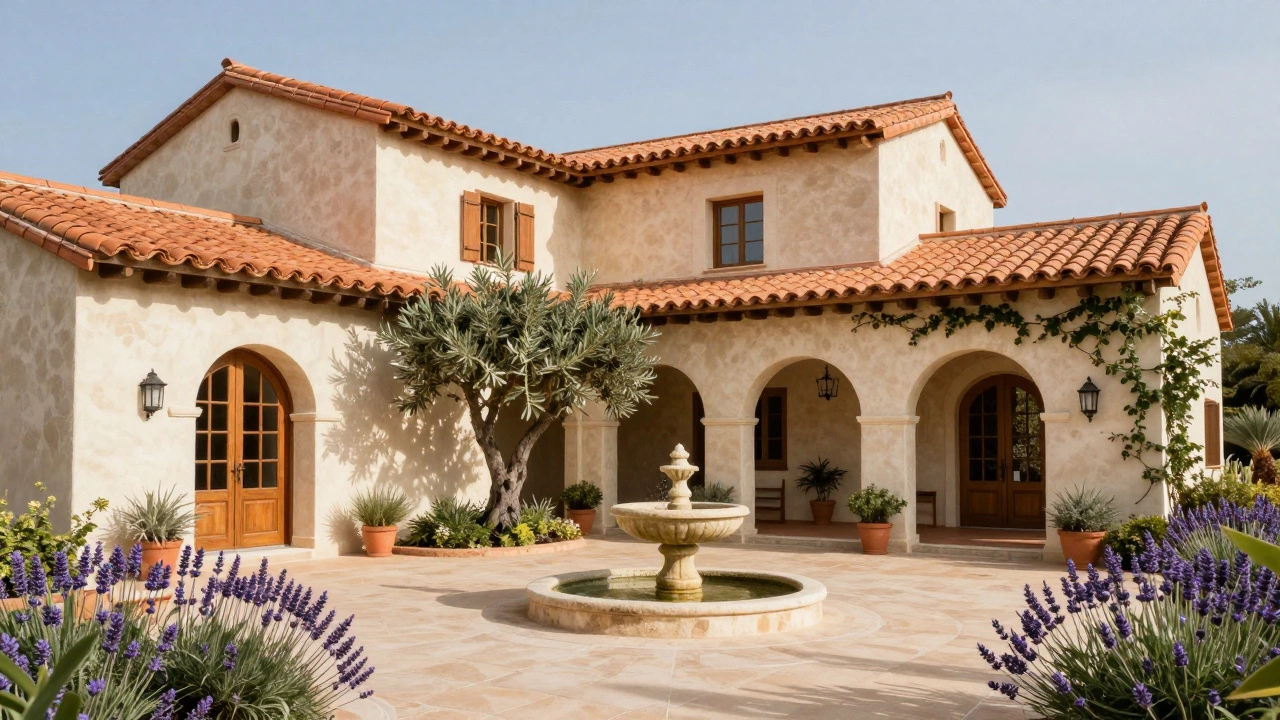
Not every villa looks like a modern cube. In regions like Spain, Italy, Greece, and parts of Australia with warm climates, the Mediterranean villa style dominates. These homes have a distinct, recognizable look that screams "vacation" even when you live there year-round.
Key visual markers include:
- Terracotta Roof Tiles: Red or orange curved tiles are iconic.
- Stucco Walls: Usually painted in warm whites, creams, or yellows.
- Arched Doorways and Windows: Adding a touch of classical elegance.
- Courtyards: Instead of just a backyard, these villas often have a central courtyard with a fountain or olive trees.
This style is practical too. The thick walls keep the heat out during summer, while the tiled roofs handle rain efficiently. Visually, these homes feel cozy and historic, contrasting sharply with the coldness of some modern designs.
Tropical and Resort-Style Villas
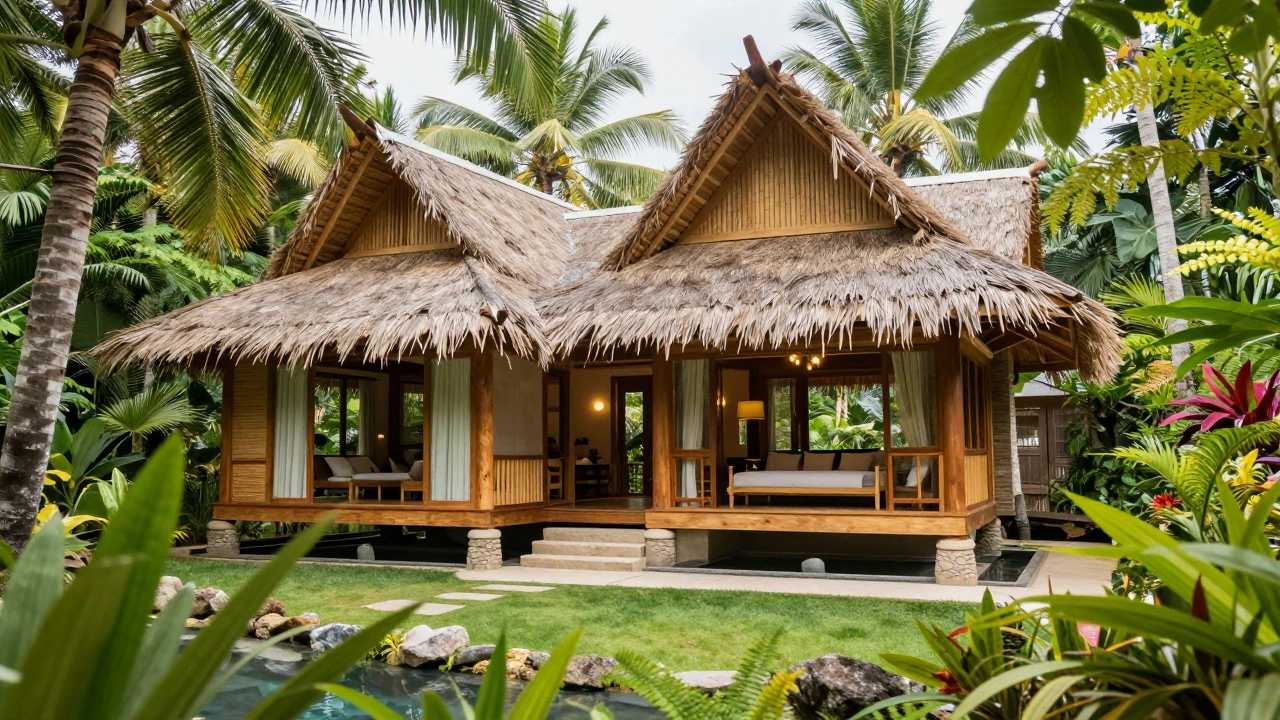
If you’re looking at properties in Bali, Thailand, or Queensland, you’ll encounter a different beast entirely: the tropical villa. These are designed to breathe. Because humidity and heat are constant factors, the architecture reflects that.
These villas often feature high-pitched roofs to allow hot air to escape. You’ll see lots of natural materials like bamboo, teak wood, and stone. The floors are frequently raised slightly off the ground to prevent flooding and improve airflow. Open-air bathrooms and kitchens that extend onto covered verandas are common.
Visually, these homes feel airy and light. They don’t try to block nature out; they invite it in. If you hate feeling enclosed, a tropical-style villa is probably your ideal aesthetic.
| Feature | Modern Minimalist | Mediterranean | Tropical |
|---|---|---|---|
| Roof Type | Flat or Low-Pitch | Terracotta Tiles (Pitched) | High-Pitched (Metal/Wood) |
| Exterior Material | Concrete, Glass, Timber | Stucco, Stone | Bamboo, Teak, Stone |
| Window Style | Floor-to-Ceiling Glass | Arched, Shutters | Louvered, Screened |
| Vibe | Sleek, Calm | Warm, Historic | Airy, Natural |
The Role of Landscaping in Villa Design
You cannot talk about what villas look like without mentioning the land they sit on. A villa is only as good as its garden. In fact, the landscaping is often considered part of the architecture.
In a modern villa, the garden might be geometric-think manicured lawns, straight hedges, and minimalist planters. It extends the clean lines of the house. In a Mediterranean villa, the garden is lush and wilder, with lavender, rosemary, and climbing vines. For tropical villas, the garden is dense with palms, ferns, and water features.
When viewing villas for sale, pay attention to the transition between the house and the yard. Good villa design blurs this line. You should be able to step from your living room directly onto a patio or into the grass without a jarring change in elevation or material.
Interior Layouts: What’s Inside the Shell?
While the exterior catches your eye, the interior layout defines your daily life. Most villas today follow an open-concept plan on the ground floor. The kitchen is rarely hidden away; it’s the heart of the home, often featuring a large island bench.
Bedrooms are usually separated from the living areas for privacy. In luxury villas, the master suite is treated like a small hotel room, with a walk-in closet and a spa-like bathroom. Secondary bedrooms might be located upstairs or in a separate wing of the house.
One key difference between a villa and a standard house is the emphasis on entertaining spaces. You’ll often find a dedicated wine cellar, a home theater, or a guest house within the main property boundaries. These aren’t just luxuries; they are expected features in many high-end villa markets.
Common Misconceptions About Villa Aesthetics
Many buyers think "villa" automatically means "expensive." While true in many markets, the term itself doesn’t dictate price. A small, older villa in a less trendy suburb might cost less than a new apartment in the city center. Don’t let the label scare you off if the budget fits.
Another myth is that villas require huge maintenance. Modern villas with automated irrigation systems, durable materials like composite decking, and self-cleaning glass can be surprisingly low-maintenance. It depends more on the specific build quality than the general style.
How to Choose the Right Villa Style for You
So, which look suits you? Ask yourself these questions:
- Do you prefer warmth or coolness? Mediterranean styles feel warmer due to earth tones. Modern styles feel cooler due to whites and grays.
- How much privacy do you need? Detached villas offer maximum privacy, but ensure the lot size is sufficient so neighbors can’t see into your living room.
- Are you an indoor or outdoor person? If you spend most of your time outside, prioritize villas with large decks, pools, and seamless indoor-outdoor transitions.
Visit multiple properties. Take photos. Notice how the light hits the rooms at different times of day. A villa that looks great at noon might feel dark in the evening if the orientation is wrong.
What is the difference between a villa and a house?
The terms are often used interchangeably, but traditionally, a villa implies a larger, more luxurious detached home with significant outdoor space and architectural distinction. A house is a broader term that includes everything from small cottages to mansions. In real estate listings, "villa" often signals a higher-end finish or a specific resort-style amenity package.
Are villas better for families?
Yes, generally. Because villas are detached and offer private yards, they provide safer play areas for children compared to apartments. They also offer more storage space and separate zones for sleeping and entertaining, which reduces household stress.
Do villas always have pools?
Not always, but it is a very common feature, especially in warm climates or resort destinations. In colder regions like northern Europe or Canada, villas might have hot tubs or saunas instead. Always check the listing details, as pool maintenance can add significantly to your annual costs.
Is a modern villa harder to maintain than a traditional one?
It depends on the materials. Flat roofs on modern villas can sometimes leak if not properly sealed, requiring regular checks. However, modern materials like concrete and large glass panels are durable and easy to clean. Traditional villas with terracotta tiles may need tile replacements over time but are generally robust against weather.
Can I convert a regular house into a villa-style home?
You can adopt villa aesthetics by removing internal walls to create open-plan living, installing large sliding glass doors, and upgrading your landscaping. However, you cannot change the fundamental structure (detached vs. attached) or the lot size. True villa status comes from the land ownership and structural independence.