Property Value Risk Calculator
Identify Potential Issues
Select any factors currently affecting your property to estimate their combined negative impact on market value.
Risk Assessment Summary
Estimated Value Reduction
Select factors above to see a detailed breakdown of how each issue impacts your property's marketability and value.
Imagine buying a house in a prime Melbourne suburb for $1.2 million, only to see its value drop by $200,000 within two years. It sounds like a nightmare, but it happens more often than you think. While we usually focus on what makes property prices go up-like good schools or low interest rates-the factors that drag values down are just as powerful, if not more so. Understanding what kills property value is crucial whether you are planning to sell soon or just want to protect your biggest asset.
In the current 2026 market, buyers are smarter and more cautious than ever. They aren't just looking at square footage; they are analyzing structural integrity, environmental risks, and neighborhood stability. If your property has any of these major red flags, you might be sitting on a depreciating asset without realizing it. Let's break down the biggest value killers in today's real estate landscape.
Structural Defects: The Silent Wealth Destroyer
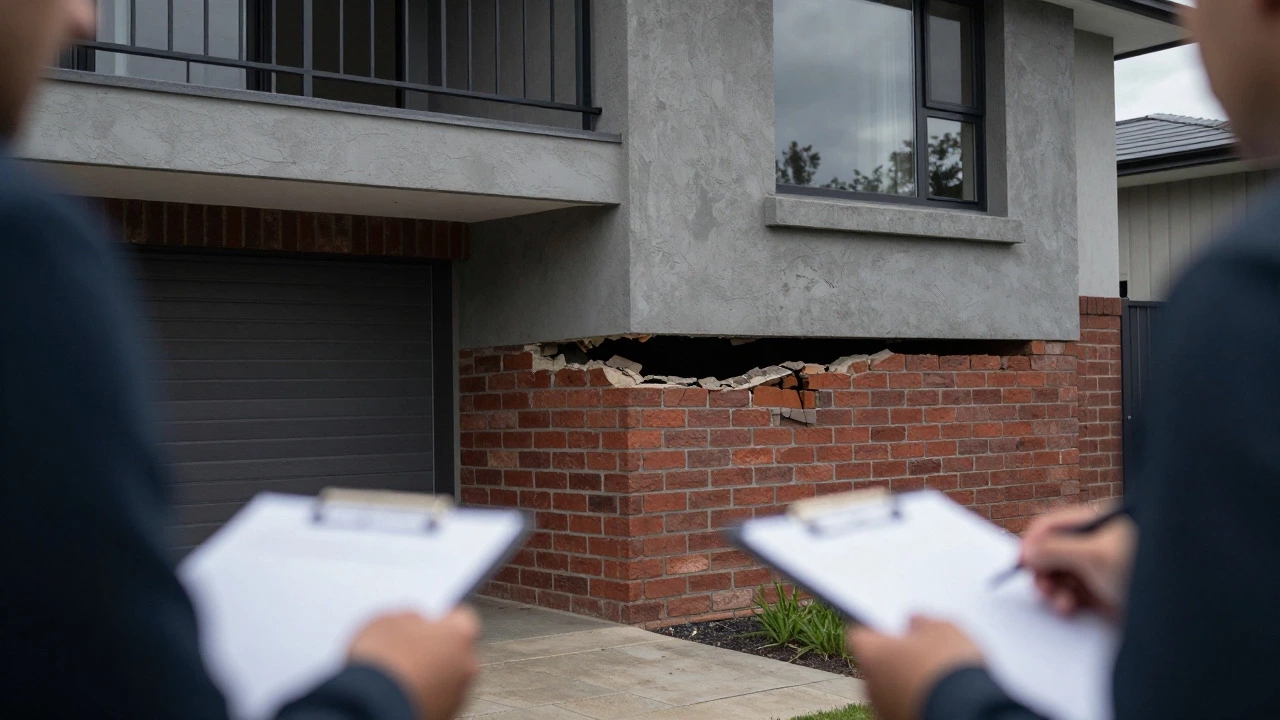
Nothing scares a buyer away faster than a cracked foundation or a leaking roof. Structural defects are physical flaws in the building's framework that compromise its safety and longevity. These aren't cosmetic issues like chipped paint; they are fundamental problems that threaten the habitability of the home.
When a pre-purchase inspection reveals serious structural damage, the deal often falls through. Even if it doesn't, the seller usually has to slash the price significantly to cover repair costs. In Australia, common structural issues include subsidence caused by clay soils shifting during dry spells, which is particularly prevalent in parts of Melbourne and Sydney. A simple hairline crack in an interior wall might be minor, but horizontal cracks in exterior walls or doors that no longer close properly signal big trouble.
- Foundation Cracks: Can cost tens of thousands to repair and raise insurance premiums.
- Rotting Timber: Often hidden under floorboards, leading to expensive replacements.
- Water Damage: Leads to mold and weakens structural beams over time.
If you own a property, regular maintenance is key. Fixing a small leak today prevents a massive structural bill tomorrow. For buyers, never skip the building inspection. That $500 fee can save you $50,000 in unexpected repairs.
Negative Neighborhood Changes
You can have the most beautiful house in the world, but if your neighborhood turns sour, your property value will suffer. Real estate is all about location, and location isn't static. It changes based on new developments, crime rates, and community sentiment. Neighborhood decline refers to the gradual deterioration of a local area's desirability due to external factors.
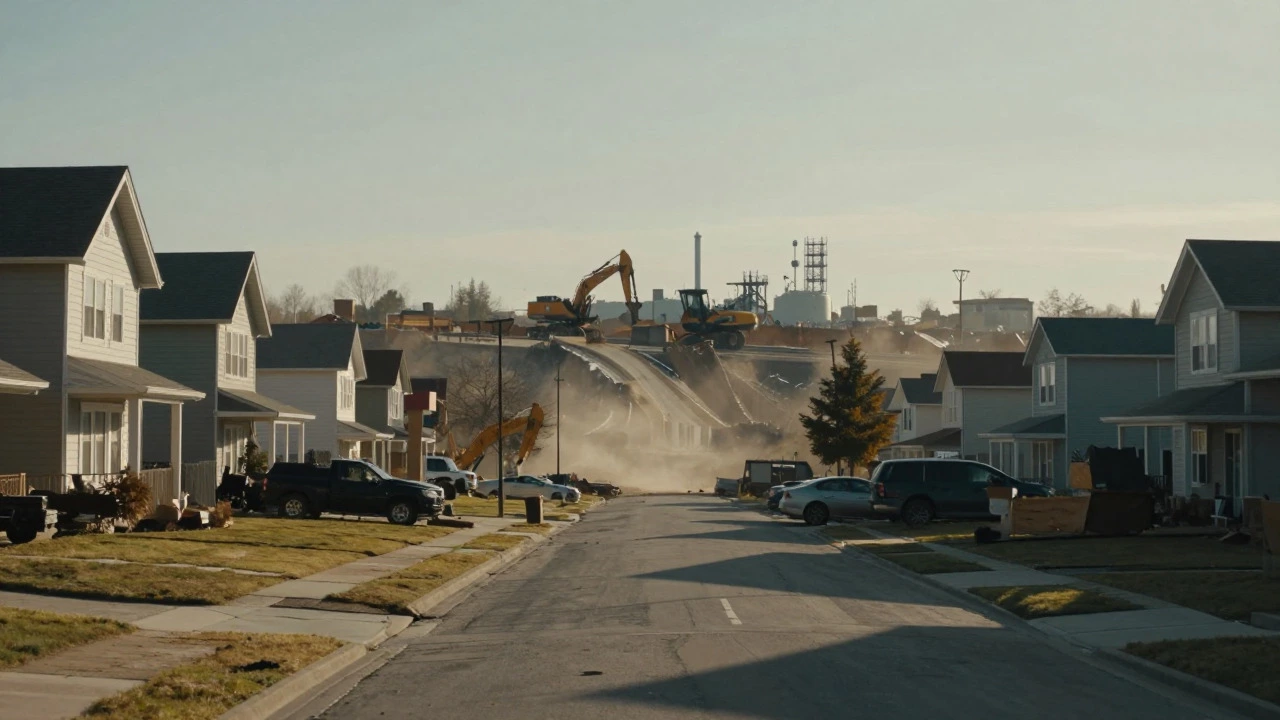
One of the biggest fears for homeowners is the construction of undesirable infrastructure nearby. Think about living next to a noisy highway expansion, a landfill site, or a high-voltage power line. These amenities create noise pollution, visual blight, and sometimes health concerns, making the property less attractive to families. Similarly, an increase in local crime rates can cause property values to plummet. Buyers pay a premium for safety, and when that safety is compromised, the premium disappears.
Another subtle factor is the change in the demographic mix. If long-term residents move out and are replaced by short-term rentals or absentee landlords, the sense of community can erode. This often leads to neglected properties and lower maintenance standards across the street, dragging down everyone's value.
| Factor | Potential Value Impact | Reversibility |
|---|---|---|
| High Crime Rate | -10% to -20% | Slow (Years) |
| Noisy Infrastructure | -5% to -15% | Permanent |
| Poor School Ratings | -8% to -12% | Medium (Depends on policy) |
| Over-saturation of Rentals | -3% to -7% | Variable |
Outdated and Poorly Maintained Interiors
We live in a visual age, and first impressions matter immensely. An outdated kitchen or bathroom can make a modern home feel stuck in the past. While personal taste varies, certain design choices are universally seen as negative. Property obsolescence occurs when a home's features become outdated compared to current market standards.
In 2026, buyers expect energy-efficient appliances, smart home capabilities, and open-plan living spaces. A dark, cramped kitchen with laminate countertops from the 1990s will turn off many potential buyers. They mentally deduct the cost of renovation from their offer price. And here’s the kicker: the cost to renovate is often higher than the value added. This is known as "negative equity" in renovations.
Think about it this way: spending $50,000 on a luxury kitchen might only add $30,000 to the resale value. You lose money on the transaction. Instead of over-improving, focus on neutral updates that appeal to the broadest audience. Fresh white paint, modern lighting fixtures, and updated hardware can go a long way without breaking the bank.
Environmental Risks and Climate Change
This is the new frontier of property valuation. With climate change accelerating, buyers are increasingly worried about environmental risks. Climate risk exposure refers to the vulnerability of a property to natural disasters exacerbated by changing weather patterns. In Australia, this means bushfires, floods, and extreme heat.
If your property is located in a flood-prone area, you might face higher insurance premiums or even difficulty getting insured at all. Lenders are starting to take note too. Some banks are hesitant to lend on properties with high climate risk because they fear future default if the property becomes unlivable. This reduces the pool of potential buyers, driving down the price.
Bushfire-prone areas also face scrutiny. Properties that don't meet strict Bushfire Attack Level (BAL) ratings may require expensive upgrades to remain insurable. As awareness grows, properties in high-risk zones are seeing slower growth or even declines in value compared to safer suburbs.
Overcapitalization and Over-Improvement
It’s possible to spend too much on your home. This is called overcapitalization. You renovate every inch of the house, installing marble floors and gold taps, but you ignore the fact that your neighbors' houses are modest brick homes. When you try to sell, there are no comparable sales to support your high asking price.
The market determines value based on comparables (comps). If the most expensive house on the street sold for $1.5 million, and you’ve spent $300,000 renovating your $1.2 million home, you won’t get $1.8 million. Buyers will look at the comps and say, "Why would I pay more here?" The result is a property that sits on the market for months, forcing you to cut the price repeatedly.
To avoid this, research recent sales in your immediate vicinity before starting any major project. Aim to be the best-maintained home in the area, not necessarily the most luxurious. Stick to improvements that match the character and price point of the neighborhood.
Legal Issues and Title Problems
Sometimes, the problem isn't visible. Legal encumbrances on the title can severely impact property value. Easements, covenants, and zoning restrictions can limit what you can do with your land. For example, if an easement allows a utility company to run poles across your backyard, you can't build a pool or a shed there. This reduces the usable space and appeal of the property.
Boundary disputes are another headache. If your fence is slightly over the neighbor's property line, it can lead to costly legal battles. Buyers hate uncertainty. If there's a shadow over the title, they will either walk away or demand a significant discount to assume the risk. Always ensure your title is clean and check for any registered easements before buying or selling.
Market Saturation and Oversupply
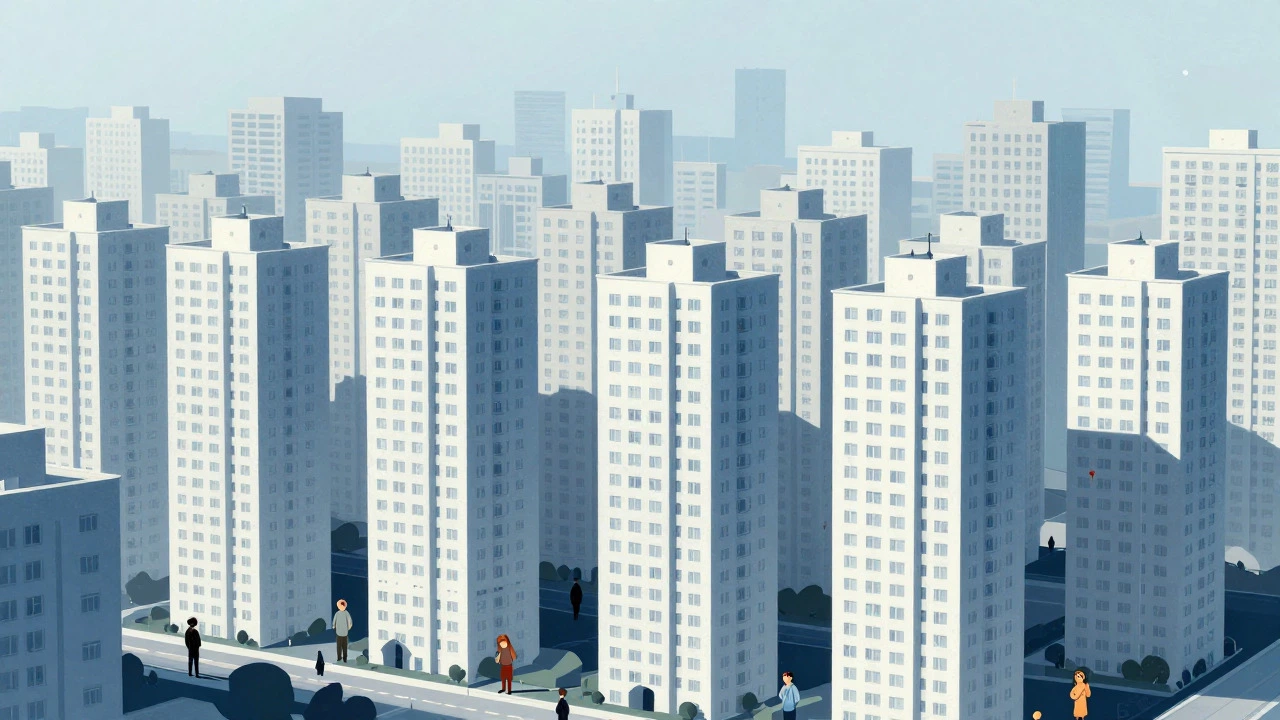
Supply and demand rule the real estate market. If a developer builds hundreds of new apartments in one suburb while job growth stalls, you have an oversupply situation. When there are more properties for sale than there are buyers, prices drop. This is especially true in specific segments like entry-level housing or student accommodation near universities.
In Melbourne, certain inner-city suburbs have seen waves of high-density development. While this increases supply, it can dilute the exclusivity and charm that originally attracted buyers. If you own a unit in a block where many other units are being rented out by investors, you might find it harder to sell at a premium. Investors compete on yield, not capital growth, which can stabilize or depress prices rather than inflate them.
What is the single biggest factor that lowers property value?
While it depends on the specific property, structural defects are generally considered the biggest immediate value killer. They pose a direct threat to safety and habitability, requiring expensive repairs that deter most buyers.
Does adding a swimming pool increase or decrease property value?
It can do both. In warmer climates and larger lots, a pool adds lifestyle appeal and value. However, in smaller yards or colder regions, it can be seen as a maintenance burden and safety hazard, potentially lowering the value or limiting the buyer pool.
How does climate change affect property prices in 2026?
Properties in high-risk areas for floods, bushfires, or coastal erosion are facing increased insurance costs and lending difficulties. This reduces demand and can lead to slower price growth or depreciation compared to safer locations.
Can poor landscaping lower my home's value?
Yes. Curb appeal is critical. Overgrown weeds, dead trees, or messy gardens create a negative first impression, suggesting the rest of the house is poorly maintained. This can reduce offers by several percent.
Is it better to fix up a house before selling or sell as-is?
Minor cosmetic fixes like painting and cleaning usually provide a good return. Major structural repairs should always be fixed. However, expensive luxury upgrades often do not recoup their full cost. Focus on neutral, high-impact updates.