Commercial Property Return Calculator
Calculate projected net returns for commercial properties based on real-world data from Melbourne market trends.
Enter your property details to see projected annual net yield (compared to residential benchmark of 3.5%)
Residential benchmark: 3.5%
When people ask what property makes the most money, they’re not talking about a house in the suburbs or a weekend getaway cabin. They’re asking about the kind of real estate that turns bricks and mortar into steady cash flow - often far beyond what residential rentals can deliver. The answer isn’t a mystery, but it’s not simple either. Not all commercial properties are created equal. Some earn ten times more than others, depending on location, tenant quality, and how they’re managed.
Why Commercial Property Outpaces Residential
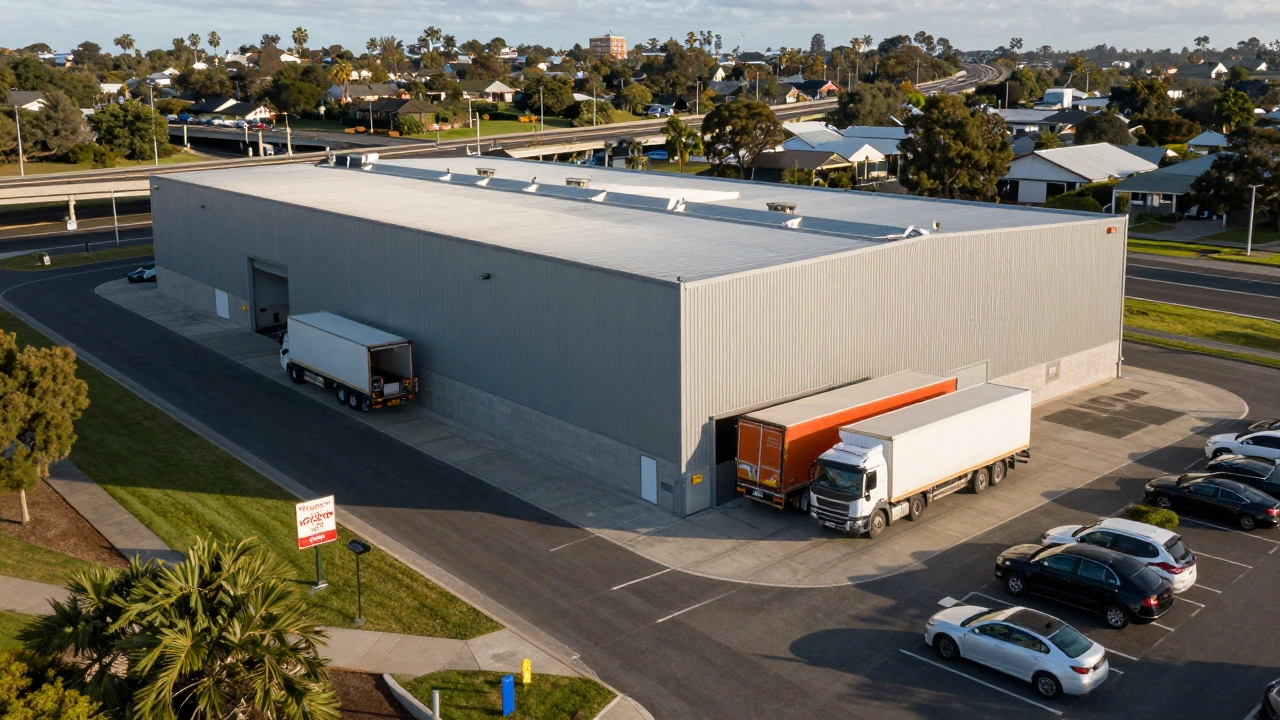
Residential rentals might feel safer - one tenant, one lease, one check. But the math doesn’t lie. A single-tenant industrial warehouse in Melbourne’s outer east can generate $45,000 a year in rent. That same building, if split into five small apartments, might bring in $30,000 total - and cost three times more in maintenance, vacancies, and tenant turnover. Commercial tenants sign longer leases, pay for their own utilities and repairs, and often cover property taxes. That’s not just better cash flow - it’s lower risk.
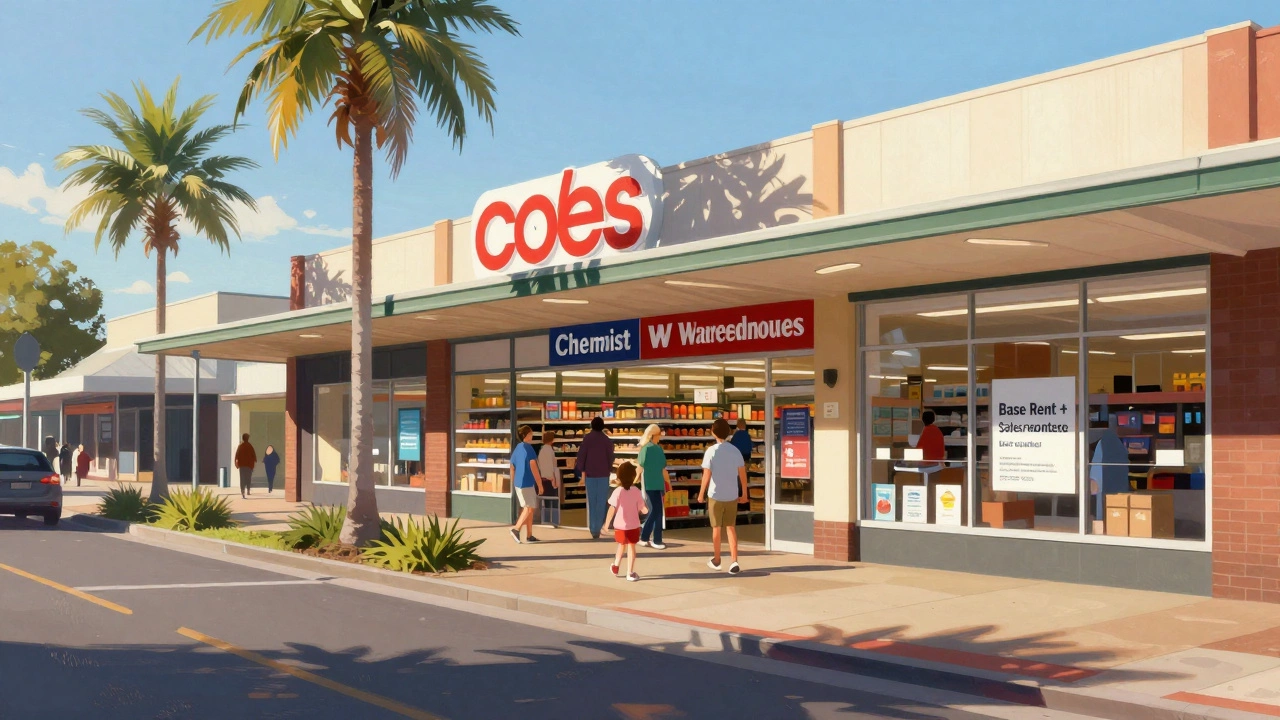
Think about it this way: a grocery-anchored retail strip in a growing suburb like Dandenong or Broadmeadows doesn’t just sit there. It’s a magnet. People need food, pharmacy, haircuts. Tenants pay rent based on sales performance. That’s not speculation - it’s contractually tied to their revenue. Landlords get a base rent plus a percentage of sales. In 2025, the average retail property in Melbourne’s growth corridors returned 6.8% net yield, compared to 3.9% for a standard house rental.
The Top Three Commercial Property Types That Make the Most Money
Not every commercial building is a goldmine. Some sit empty for years. Others turn over tenants every 18 months. The ones that consistently make the most money fall into three categories:
- Retail properties with essential tenants - Think pharmacies, supermarkets, medical clinics. These aren’t trendy boutiques that come and go. They’re services people need every week. A 1,500 sqm shopping center with a Coles, a Chemist Warehouse, and a dental practice can easily pull in $120,000+ annually in rent. Vacancy rates? Below 5% in stable suburbs.
- Industrial warehouses near transport hubs - With e-commerce booming, logistics space is in insane demand. A 5,000 sqm warehouse near the M1 or at the Melbourne Airport precinct can rent for $50-$70 per sqm per year. That’s $250,000 to $350,000 a year. Tenants sign 5-10 year leases. They pay for fit-outs, insurance, and maintenance. Landlords collect rent and rarely lift a finger.
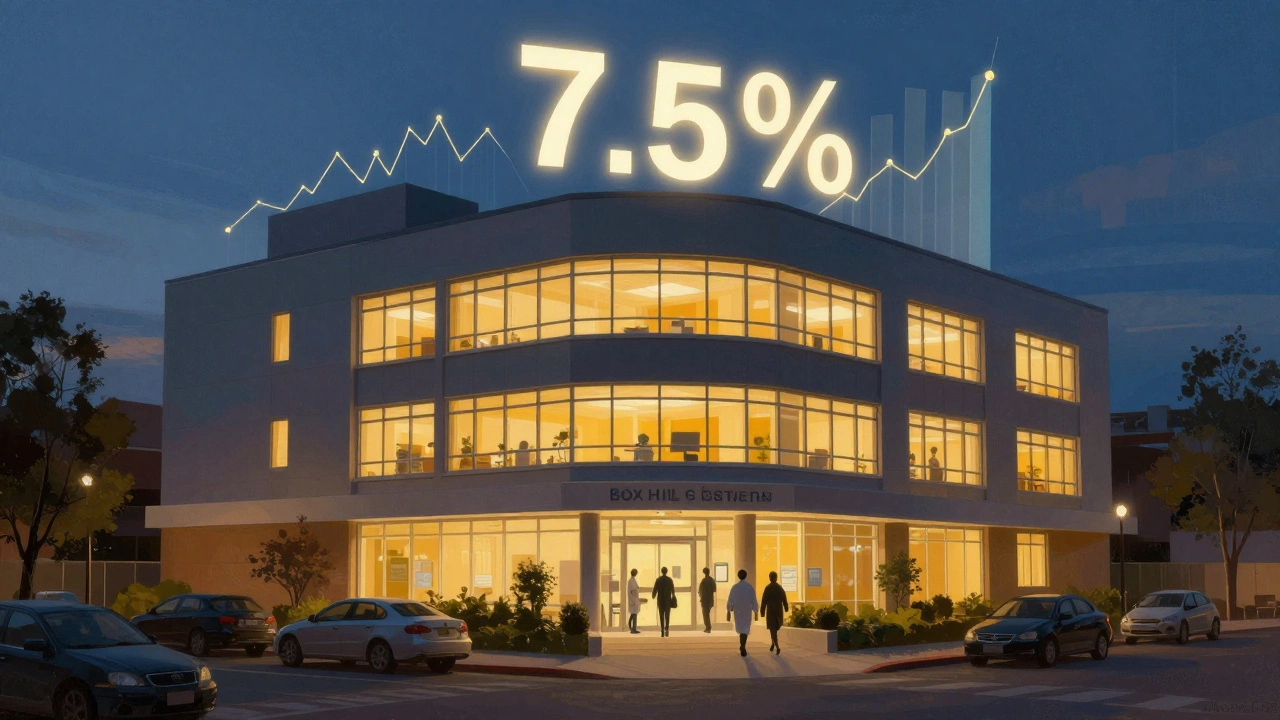
- Medical office buildings - Doctors, physios, and dentists don’t relocate often. They need stable, professional spaces. A three-story medical center in Doncaster or Box Hill with six practitioners can generate $200,000+ annually. Tenants often pay triple-net leases - meaning they cover property tax, insurance, and maintenance. The landlord gets pure profit.
These aren’t speculative bets. They’re predictable income streams. In 2025, the average net return on these asset types in Melbourne was 7.2%, 6.9%, and 7.5% respectively. Residential? 3.5% on average.
What Commercial Property Doesn’t Make the Most Money
Not all commercial spaces are winners. Some look good on paper but collapse under real-world pressure.
- Office towers in the CBD - Post-pandemic, many downtown offices sit half-empty. Companies are shrinking space. Leases are shorter. Rent discounts are common. A 1,000 sqm office in the Melbourne CBD might rent for $450/sqm/year - but only if you offer six months free. Net yield? As low as 4.1%.
- Entertainment venues - Cinemas, arcades, live music spots. High upfront cost, volatile demand. After the pandemic, 40% of these venues in Melbourne didn’t reopen. Even if they do, foot traffic is unpredictable. Not reliable income.
- Small retail strips with fashion or tech tenants - A strip mall with a clothing store, phone repair shop, and coffee cart? That’s a gamble. Fashion brands change trends fast. Tech repair shops close when new models come out. Vacancy risk is high. Tenants leave without notice. You’re left with empty storefronts and no backup income.
These properties aren’t bad - they just don’t make the most money. They’re high effort, high risk. If you’re chasing returns, avoid them.
Location Is Everything - But Not the Way You Think
Everyone says “location, location, location.” But in commercial real estate, it’s not about being near the beach or a fancy suburb. It’s about proximity to people who spend money.
A warehouse in Truganina, 20km from the CBD, might rent for less than one in Footscray. But if it’s next to a rail freight terminal and a major highway interchange, it’s worth more. Tenants care about delivery speed, not views.
Same with retail. A supermarket in a low-income area with 15,000 residents nearby will outperform one in a wealthy suburb with only 5,000 people. It’s not about how rich the area is - it’s about how many people live within a 5-minute drive. A 2025 report from the Australian Institute of Health and Welfare showed that retail properties within 2km of a population density above 10,000 per sqkm consistently delivered 2.3% higher yields than those below that threshold.
How to Spot a High-Return Commercial Property
You don’t need a degree in finance to find the best deals. Here’s what to look for:
- Tenant quality - Is the tenant a national chain? A government agency? A long-established medical practice? Avoid mom-and-pop shops unless they’ve been there 10+ years.
- Lease length - Aim for 5+ years. Shorter leases mean more vacancy risk and re-leasing costs.
- Net lease terms - Triple-net leases (tenant pays tax, insurance, maintenance) are ideal. Double-net? Acceptable. Gross lease? Avoid unless you’re prepared for surprise bills.
- Population catchment - Use ABS data. If the area has 10,000+ people within a 3km radius, it’s a strong signal.
- Exit strategy - Will another investor buy this in five years? Industrial and medical properties have deep buyer pools. Office towers? Not so much.
One investor in Melbourne bought a 3,000 sqm warehouse in Dandenong South in 2022 for $2.1 million. It was 100% leased to a logistics company with a 7-year lease at $65/sqm/year. Net income: $195,000. Net yield: 9.3%. That’s more than double what a house in Hawthorn would earn. In 2025, he sold it for $2.7 million - a 28% gain in three years - and reinvested in a medical center.
The Hidden Costs You Can’t Ignore
Commercial property seems like a passive income machine. But it’s not. There are hidden costs:
- Legal fees - Commercial leases are complex. Expect $5,000-$10,000 in legal advice just to review a lease.
- Property management - You can’t manage a warehouse yourself. Hire a firm. Costs 4-6% of rent.
- Capital works - Roofs, HVAC, parking lots - they wear out. Budget 1-2% of property value annually.
- Re-leasing gaps - Even with long leases, tenants leave. Plan for 3-6 months of vacancy every 5-7 years.
But here’s the thing: these costs are predictable. You can build them into your model. Residential rentals? A broken dishwasher, a noisy neighbor, a tenant who stops paying - those are unpredictable. Commercial? You know the risks. You plan for them.
What’s Next? The Future of Commercial Real Estate
2026 is shaping up to be another strong year for industrial and medical properties. E-commerce isn’t slowing down. Australia’s aging population means more demand for healthcare services. Both are driving property values higher.
On the flip side, traditional office space is still adjusting. Hybrid work isn’t going away. Investors who bought CBD offices in 2020 are still waiting for rents to recover. That’s not a mistake - it’s a lesson. Don’t chase what’s trendy. Chase what’s essential.
The property that makes the most money isn’t the flashiest. It’s the one that serves a basic human need: food, medicine, delivery, or care. Those won’t disappear. And the people who run those businesses? They’ll always need a place to operate.
What type of commercial property has the highest return in Australia?
In 2025, industrial warehouses and medical office buildings delivered the highest net returns in Australia, averaging 7.2% to 7.5%. Retail properties with essential tenants like supermarkets and pharmacies followed closely at 6.8%. These asset types benefit from long leases, low vacancy rates, and tenants who cover most operating costs.
Is commercial property better than residential for investment?
Yes, for most investors seeking income. Commercial properties typically yield 6-8% net returns, while residential rentals average 3-4%. Commercial tenants pay for repairs, utilities, and taxes in triple-net leases, reducing landlord expenses. They also sign longer leases, reducing turnover risk. However, commercial requires more upfront capital and deeper due diligence.
Can I invest in commercial property with less than $500,000?
It’s possible, but limited. You can buy smaller retail strips (e.g., a single tenancy in a shopping center) or a small industrial unit under 1,000 sqm in outer suburbs. These may cost $400,000-$600,000. However, the most profitable properties - like 5,000+ sqm warehouses or multi-tenant medical buildings - usually require $1 million or more. Consider REITs or commercial property funds if your budget is under $500k.
How do I find good commercial tenants?
Work with a commercial real estate agent who specializes in your asset type. Look for national chains (Coles, Chemist Warehouse, TattsLotto, private medical practices) or government-backed tenants (Australia Post, TAFE). Avoid businesses with high failure rates like fashion boutiques or tech repair shops. Always check credit history, business age, and lease history.
What’s the biggest mistake people make buying commercial property?
Assuming the tenant will stay forever. Even with a 10-year lease, things change. A tenant might go bankrupt, relocate, or merge with another company. Always assume you’ll need to re-lease within 5-7 years. Build in a 6-month vacancy buffer in your cash flow model. Also, never skip a building inspection - structural issues in warehouses or medical centers can cost hundreds of thousands to fix.