Commercial Property Yield Calculator
Property Input
Results
Gross Yield
-
Net Yield
-
Based on Melbourne market data: Industrial averages 6.8% net yield, Medical 6.2%, Retail 5.9%, Residential 3.1% gross yield
Comparison
| Property Type | Average Net Yield | Risk Level |
|---|---|---|
| Industrial Warehouse | 6.8% | Low |
| Medical Office | 6.2% | Low |
| Net Lease Retail | 5.9% | Medium |
| Residential | 3.1% | Medium |
Why Commercial Beats Residential
Higher Cash Flow
Commercial properties provide $15k-$25k monthly income compared to $3.2k for residential
Longer Leases
Commercial leases typically 3-10 years vs residential 6-12 months
NNN Leases
Tenants cover taxes, insurance, maintenance - you receive clean, predictable income
When people ask what type of property is most profitable, they’re usually thinking about long-term wealth, not just a quick flip. The answer isn’t apartments, land, or even villas. In today’s market, commercial property consistently outperforms residential options in cash flow, appreciation, and long-term returns - especially in cities like Melbourne, where demand for office, retail, and industrial spaces keeps climbing.
Why Commercial Property Beats Residential
Residential rentals might feel safer. You’re used to them. But here’s the truth: a single-family home in Melbourne might rent for $3,200 a month. A well-located retail strip center with three tenants? It can bring in $15,000 to $25,000 monthly. That’s not a typo. The difference isn’t just in rent - it’s in how leases work.
Residential leases are usually 6 to 12 months. You’re constantly dealing with turnover, repairs, and vacancy risks. Commercial leases? They’re often 3 to 10 years. Tenants sign long-term contracts. They pay triple net (NNN) - meaning they cover property taxes, insurance, and maintenance. That leaves you with clean, predictable income. No surprise plumbing bills. No midnight calls about broken heaters.
And it’s not just Melbourne. Across Australia, industrial warehouse demand has surged 42% since 2022. Why? E-commerce. Every online order needs a warehouse within 30 minutes of a major city. Melbourne’s northern and western corridors are packed with new logistics hubs. These buildings don’t sit empty. They’re leased before they’re even built.
The Top Three Most Profitable Commercial Property Types
Not all commercial property is the same. Some types deliver better returns than others. Based on 2025 data from the Australian Property Institute, here are the top three:
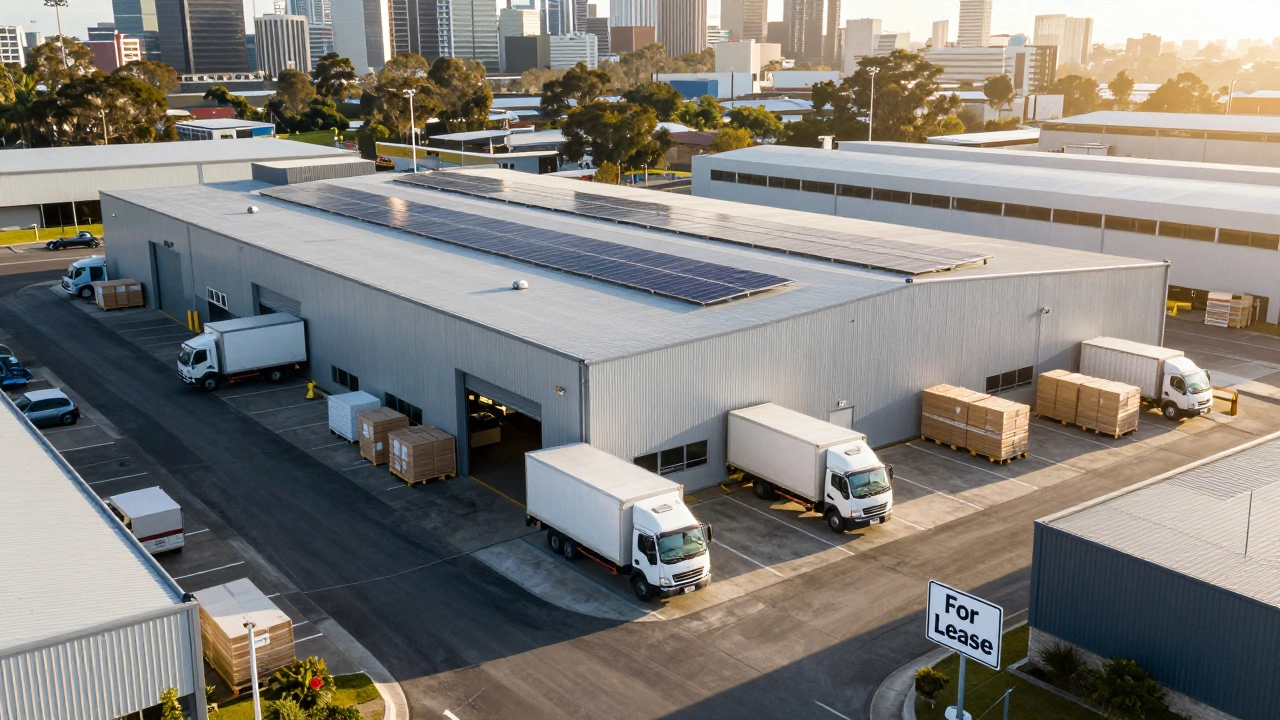
- Industrial Warehouses - These are the undisputed winners. Average net yield: 6.8%. Vacancy rate in Melbourne: 1.9%. Tenants include Amazon, Kogan, and local distributors. They pay NNN leases. Maintenance is minimal. Demand keeps rising as supply struggles to catch up.
- Medical Office Buildings - Think clinics, dental practices, physiotherapy centers. Average net yield: 6.2%. Tenants sign 5-7 year leases. They need stable locations. Once they move in, they rarely leave. Even during economic downturns, people still need healthcare.
- Net Lease Retail - Think pharmacies, convenience stores, fast-food chains. Average net yield: 5.9%. These are single-tenant buildings leased to national brands like Chemist Warehouse or 7-Eleven. The tenant pays all costs. You just collect rent.
Compare that to residential: average gross yield in Melbourne is 3.1%. After management fees, repairs, and vacancies, your net might be under 2%. Commercial? You’re often seeing 5-7% net returns - sometimes higher.

The Hidden Advantages You’re Not Thinking About
Most investors focus on rent. But commercial property has other hidden perks.
Tax depreciation is more generous. You can claim 3-5% of the building’s value each year as a non-cash deduction. That’s thousands in tax savings annually. Residential? You get maybe 1.5%.
Inflation protection is built in. Commercial leases almost always include annual rent increases - 3-4% per year, indexed to CPI or fixed. That means your income grows automatically. Residential rents? You can only raise them once a year, and often face tenant resistance.
Scalability is real. Buy one industrial unit? You’re making $18,000 a month. Buy five? That’s $90,000. With residential, you’d need 20-30 houses to match that. You’d be drowning in management headaches. Commercial lets you grow without adding chaos.
What Doesn’t Work - And Why
Some property types look profitable on paper but fall apart in practice.
- Office space - Post-pandemic, demand dropped 18% in Melbourne’s CBD. Many buildings sit half-empty. Unless you’re buying a Class A building with blue-chip tenants (like ANZ or KPMG), avoid. It’s risky.
- Shopping malls - Big, outdated malls are dying. Smaller retail strips with essential services (grocers, pharmacies) are fine. But anchor tenants like department stores? Gone. Avoid unless you’re buying a well-located neighborhood center.
- Hotels - High maintenance. High staff costs. Low margins. Even in tourist seasons, occupancy fluctuates. Not a passive investment.
The lesson? Not all commercial is good commercial. Focus on essentials: stable tenants, long leases, low maintenance.

How to Start - Even With Limited Capital
You don’t need $5 million to get started. Here’s how smaller investors break in:
- Look for small industrial units (500-1,500 sqm) in growing suburbs like Tarneit, Wyndham, or Dandenong. Prices range from $800k-$1.5M. Many are single-tenant with NNN leases.
- Use a commercial REIT or property fund. You can invest $50k-$100k and get exposure to warehouses and medical centers without owning physical property.
- Partner with someone. Pool resources with another investor. Split the purchase, split the rent, split the work.
One investor I know bought a 700 sqm warehouse in Tarneit for $920k in 2023. The tenant? A local logistics company with a 7-year lease. Rent: $8,500/month. Vacancy: zero. He’s now up 28% in equity, and his cash flow is $7,000/month after all costs. That’s a 9.1% net yield - more than triple what he’d get from a residential rental.
Final Reality Check
Commercial property isn’t easy. You need to understand leases, zoning, and tenant screening. You can’t just walk in and buy. But if you’re willing to learn, the payoff is unmatched.
Residential property gives you stability. Commercial gives you freedom - freedom from constant repairs, freedom from rent freezes, freedom to build real wealth without owning 20 houses.
If you want the highest, most reliable returns, stop chasing apartments. Look at warehouses. Look at medical centers. Look at retail strips with national tenants. That’s where the money is.
Is commercial property more risky than residential?
It depends. Residential has higher turnover and more maintenance. Commercial has longer vacancies if a tenant leaves - but those are rare with good tenants. A well-chosen industrial or medical property with a strong tenant is actually less risky than a residential property in a declining suburb. The key is tenant quality and lease structure.
Can I get a loan for commercial property?
Yes, but it’s different. Commercial loans typically require a 30-40% deposit, compared to 10-20% for residential. Interest rates are slightly higher. Lenders look at the property’s income, not just your personal salary. You’ll need solid financials and a business plan. But banks are lending - especially for industrial and medical properties with long-term leases.
What’s the minimum investment to start in commercial property?
You can start with as little as $200,000 if you buy a small retail unit in a regional town or invest in a commercial REIT. In Melbourne, the entry point is usually $800,000-$1.2M for a single-tenant warehouse. But you don’t need to buy outright - partnerships and property funds let you get in with less.
Do I need a property manager for commercial property?
Not always. With triple net leases, tenants handle most maintenance. You still need someone to collect rent, manage renewals, and handle legal issues. A commercial property manager costs 3-5% of gross rent - but it’s worth it. They know how to screen tenants, negotiate leases, and avoid costly vacancies.
Is now a good time to buy commercial property in Melbourne?
Yes, if you’re focused on industrial and medical. Vacancy rates are near record lows. Construction costs are high, so supply is tight. Demand from e-commerce and healthcare is growing. Prices have stabilized after the 2022-2023 spike. It’s not a bubble - it’s a structural shift. The best deals are in suburbs with population growth and transport upgrades.