Affordable Housing Burden Calculator
Determine how housing costs impact your financial stability based on income and rent.
Your Financial Profile
Comparison with Vulnerable Groups
| Group | Avg. Rent % | Risk Level |
|---|---|---|
| Your Profile | - | |
| Below Poverty Line | 50% - 70% | Critical |
| Near Poverty (Working Class) | 40% - 50% | High |
| Middle Income | 25% - 35% | Moderate |
| Affordable Standard | ≤ 30% | Safe |
Picture this: you work full-time, pay your taxes, and still can’t afford a safe place to sleep. This isn’t a hypothetical scenario for millions of people today. It is the harsh reality of the global affordable housing crisis. But who exactly feels the weight of this shortage the most? It’s not just about homelessness. It’s about working parents choosing between groceries and rent, elderly retirees watching their savings vanish, and young adults stuck in overcrowded apartments.
The term "affordable" usually means spending no more than 30% of your income on housing. When costs rise above that line, life gets tight. Food, healthcare, and education start slipping through the cracks. Understanding who suffers most helps us see why policy changes matter so much right now.
Low-Income Workers and the Working Poor
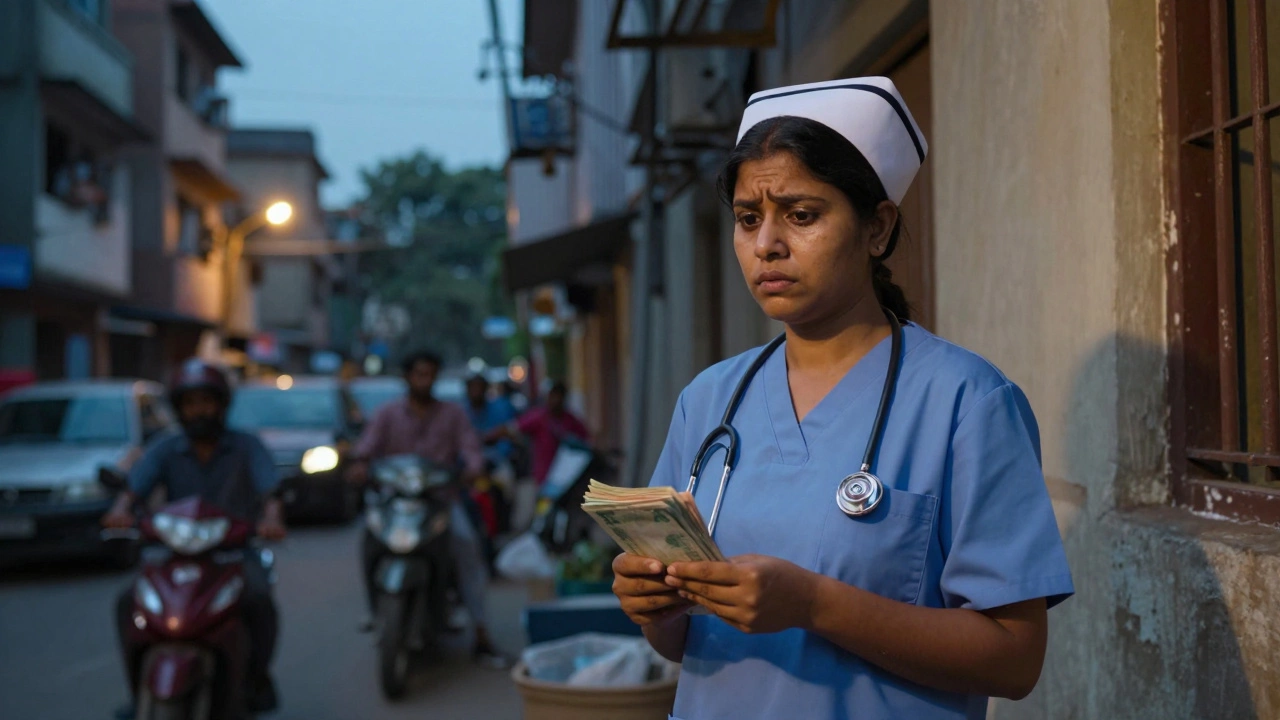
You might assume that affordable housing only affects those without jobs. That’s a common myth. In reality, the hardest hit are often people who work hard but earn wages that haven’t kept up with property prices. We call them the "working poor." These are teachers, retail staff, nurses, and service workers who show up every day but struggle to stay housed.
| Income Level | Avg. Monthly Rent | % of Income Spent on Rent | Risk Factor |
|---|---|---|---|
| Below Poverty Line | $800 - $1,200 | 50% - 70% | Critical | Near Poverty (Working Class) | $1,000 - $1,500 | 40% - 50% | High |
| Middle Income | $1,500 - $2,500 | 25% - 35% | Moderate |
When rent takes up half your paycheck, you have zero buffer for emergencies. A car repair or a medical bill can push these families into eviction. In cities like Melbourne, Sydney, or London, entry-level jobs simply don’t pay enough to cover market-rate rents. These workers keep the economy running, yet they are the first to be displaced when neighborhoods gentrify.
Elderly People on Fixed Incomes
Older adults face a unique trap. Many live on pensions or superannuation that stays flat while inflation eats away at its value. If you’re 75 years old and own your home, you’re likely safe. But if you rent, you’re vulnerable. Landlords can raise rents, sell properties, or renovate units out of your price range.
This group often deals with health issues that require stable environments. Moving frequently disrupts medication routines and access to local doctors. Social isolation spikes when seniors are forced out of communities where they’ve lived for decades. They aren’t looking for luxury; they need security. Without targeted senior housing programs, many end up in shelters or dependent on family members who may also be struggling.
Families with Children and Youth
Children suffer silently in the housing crisis. Growing up in unstable housing affects school performance, mental health, and long-term development. Parents juggling multiple jobs to afford rent have less time to help with homework or attend parent-teacher meetings. Overcrowding is another major issue. Families often double-up with relatives, leading to stress and lack of privacy.
Young adults, particularly recent graduates, face a different barrier. Student debt combined with high rents delays milestones like buying a first home or starting a family. In Australia, for example, the gap between median house prices and average incomes has widened significantly over the last decade. This creates a generation locked out of ownership, forcing them into long-term renting cycles that offer little financial growth.

Single Parents and Women
Gender plays a huge role in housing insecurity. Single-parent households, predominantly led by women, are disproportionately affected. Why? Because the gender pay gap still exists. Women earn less on average, making it harder to qualify for mortgages or compete in bidding wars for rentals.
Add children into the mix, and childcare costs skyrocket. A single mom working part-time might barely break even after paying for daycare. If she loses her job or faces a wage cut, eviction becomes a real threat. Domestic violence survivors also fall into this category. They need immediate, safe housing options, yet shelters are often full, and transitional housing waits lists can stretch for months.
People with Disabilities and Chronic Illnesses
Disability doesn’t just mean physical challenges; it includes mental health conditions and chronic illnesses. These individuals often rely on government support payments, which rarely cover market rents. Finding accessible housing-units with ramps, wide doors, or ground-floor access-is incredibly difficult. Even when available, these units are scarce and expensive.
Mental health stability depends heavily on housing stability. Imagine trying to manage anxiety or depression while worrying about whether you’ll have a roof over your head next month. It’s nearly impossible. Lack of appropriate housing leads to higher hospitalization rates and increased strain on emergency services. Integrated care models that combine housing support with health services are crucial but underfunded in many regions.
Refugees and Migrant Communities
Newcomers to a country face immense hurdles. Language barriers, lack of credit history, and unfamiliarity with tenant rights make renting stressful. Refugees, in particular, arrive with little to no resources. They often settle in temporary accommodation that lacks basic amenities.
Discrimination also plays a part. Some landlords prefer tenants with established local histories. This pushes migrant families into specific neighborhoods, sometimes leading to segregation. Access to culturally appropriate housing-spaces that respect dietary needs or prayer requirements-is limited. Without strong community networks, these groups remain isolated and economically disadvantaged.
The Ripple Effect on Communities
When large segments of the population can’t afford housing, entire communities suffer. Local businesses lose customers because residents spend all their money on rent instead of shopping downtown. Schools see higher dropout rates among students from unstable homes. Crime rates can increase as desperation grows.
Gentrification accelerates this cycle. As wealthy investors buy up properties, rents rise, pushing out long-term residents. The cultural fabric of neighborhoods unravels. Cities become divided between the haves and the have-nots. Solving this requires more than just building new apartments; it demands policies that protect existing tenants and ensure diverse income levels can coexist.
What Can Be Done?
Addressing the crisis involves multiple strategies. Increasing supply is essential, but it must include genuinely affordable units, not just luxury condos. Rent control measures can provide short-term relief, though they need careful design to avoid discouraging landlords. Subsidies like housing vouchers help bridge the gap for low-income earners.
Community land trusts offer an innovative solution. These non-profit organizations own land and lease it to residents at below-market rates. This removes speculation from the equation. Governments can also incentivize developers to include affordable units in new projects through tax breaks or density bonuses.
Education matters too. Tenants need to know their rights. Knowing how to dispute unfair evictions or request repairs empowers people to stay in their homes longer. Advocacy groups play a vital role here, providing legal aid and support networks.
Who is considered eligible for affordable housing?
Eligibility varies by location, but generally, households earning below 80% of the area median income qualify. Priority is often given to those experiencing homelessness, victims of domestic violence, or individuals with disabilities. You usually need to apply through local housing authorities or non-profit organizations.
How does affordable housing benefit the broader economy?
Stable housing reduces public spending on emergency healthcare, policing, and foster care. When families aren't stressed about rent, they spend more at local businesses. It also improves workforce productivity since employees are healthier and less likely to miss work due to housing instability.
Why is there such a shortage of affordable homes?
The shortage stems from decades of underinvestment in social housing, restrictive zoning laws that limit construction, and rising material/labor costs. Additionally, investment funds buying up residential properties treat homes as assets rather than shelter, driving up prices beyond what ordinary people can pay.
Can rent control solve the housing crisis?
Rent control offers immediate relief for current tenants but doesn't create new supply. Critics argue it might discourage landlords from maintaining properties. Most experts suggest combining rent stabilization with incentives to build more affordable units for a balanced approach.
How do I find affordable housing near me?
Start by contacting your local council or housing authority website. Look for listings from non-profit housing providers. Community centers and religious organizations often share information about available units. Networking with neighbors can also reveal off-market opportunities.