West Virginia Land Value Estimator
How Much Does West Virginia Land Really Cost?
This tool calculates total ownership costs including development, utilities, and hidden expenses that aren't visible on listing prices.
Select Your Land Type
How Many Acres?
Terrain Difficulty
Utility Needs
Total Ownership Cost
Is This Suitable For You?
Note: West Virginia land requires patience. Development costs often exceed initial land price. Always conduct surveys and title checks before purchasing.
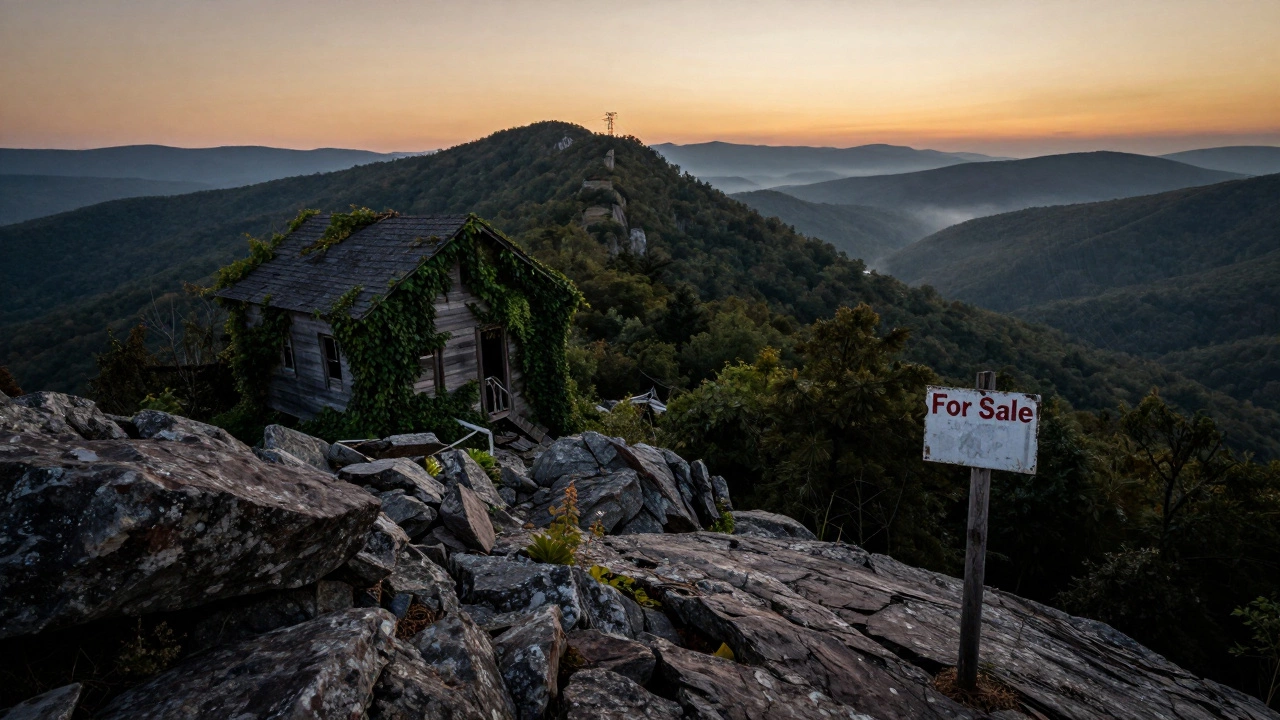
West Virginia isn’t the first place people think of when they want to buy land. But if you’ve looked at listings, you’ve probably noticed something strange: you can buy five, ten, even twenty acres for less than the price of a used car in most other states. Why? It’s not because the land is bad. It’s not because nobody wants it. The reasons are deeper, older, and more complex than you might guess.
Population Loss Has Been Decades in the Making
West Virginia lost over 100,000 people between 2010 and 2020. That’s more than 5% of its population in just ten years. Since the 1950s, the state has been bleeding residents. Coal mining jobs disappeared. Factories shut down. Young people left for cities with better schools, healthcare, and jobs. When people leave, homes sit empty. Land goes untended. Families sell off parcels just to cover taxes. The result? A massive oversupply of land with almost no demand.Land Is Often Hard to Use
Just because land is cheap doesn’t mean it’s easy to build on. Much of West Virginia is mountainous. Steep slopes, rocky soil, and dense forests make construction expensive. You can’t just slap down a foundation anywhere. Grading, drainage, and road access cost thousands before you even lay a single brick. Many parcels are listed as "raw land" with no utilities-no water, no sewer, no power lines nearby. Installing those can add $20,000 to $50,000 to your project. Buyers who don’t know this get blindsided. Those who do? They see opportunity.Legacy of Coal Changed the Land
For over a century, coal mining dominated West Virginia’s economy. Now, thousands of acres are left with abandoned mines, sinkholes, and contaminated soil. Even if the surface looks fine, underground voids can collapse. The state has a database of over 2,500 known abandoned mine sites. Many landowners don’t even know their property sits above one. Buyers need to run a subsurface survey before anything else. That’s a dealbreaker for most. But for investors who know how to check, it’s a chance to buy land at rock-bottom prices-especially if the mine is sealed and monitored.Taxes Are Low, But So Is Infrastructure
West Virginia has some of the lowest property taxes in the U.S. That’s great if you’re holding land long-term. But low taxes come with low services. In many rural counties, there’s no high-speed internet, no reliable cell service, and no public water systems. Emergency response times can be over 30 minutes. Schools are underfunded. Hospitals are closing. If you’re looking for a quiet retreat and you’re okay with solitude, this is fine. If you need to work remotely, raise kids, or access medical care regularly? You’ll pay a different kind of price.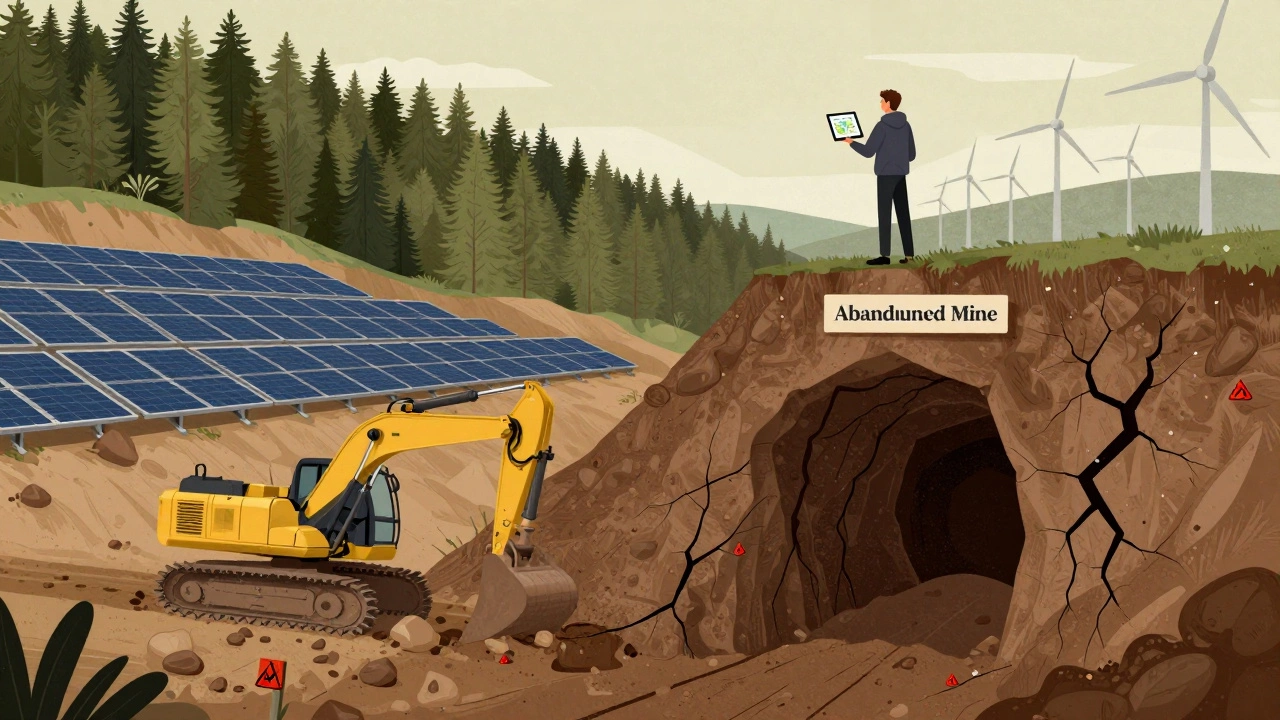
Speculators and Investors Are Quietly Buying Up Land
While most people see West Virginia as a ghost town, others see a bargain. Out-of-state investors-especially from Texas, Florida, and California-are quietly snapping up large tracts. Some want timber rights. Others are betting on future renewable energy projects like wind or solar farms. A few are buying land for carbon offset credits. One company bought 12,000 acres in 2023 just to preserve it and sell carbon credits on the open market. These buyers don’t care about schools or cell towers. They care about acreage, zoning, and long-term value. Their demand keeps prices low because they’re not competing with regular homebuyers.Legal and Title Issues Are Common
Many land parcels in West Virginia have messy ownership histories. In the past, land was passed down through generations without formal deeds. In some cases, a single acre might have 17 different heirs. Selling requires getting signatures from everyone-which is nearly impossible. Title companies charge extra to clear these clouds. Some sellers don’t bother. They just list the land as "as-is" with no warranty. That scares off most buyers. But if you work with a local attorney who knows how to navigate heir property laws, you can get land for pennies on the dollar.It’s Not a Get-Rich-Quick Scheme
If you think buying cheap land in West Virginia means you’ll flip it for a profit next year, you’re wrong. This isn’t a short-term play. The land doesn’t appreciate fast. It doesn’t attract buyers easily. You need patience. You need capital to develop it. You need to accept that it might sit empty for years. But if you’re looking to build a cabin, start a homestead, or invest for the long haul? West Virginia offers something few other places do: massive space, low entry cost, and freedom from dense development. It’s not for everyone. But for the right person, it’s one of the last real bargains left in America.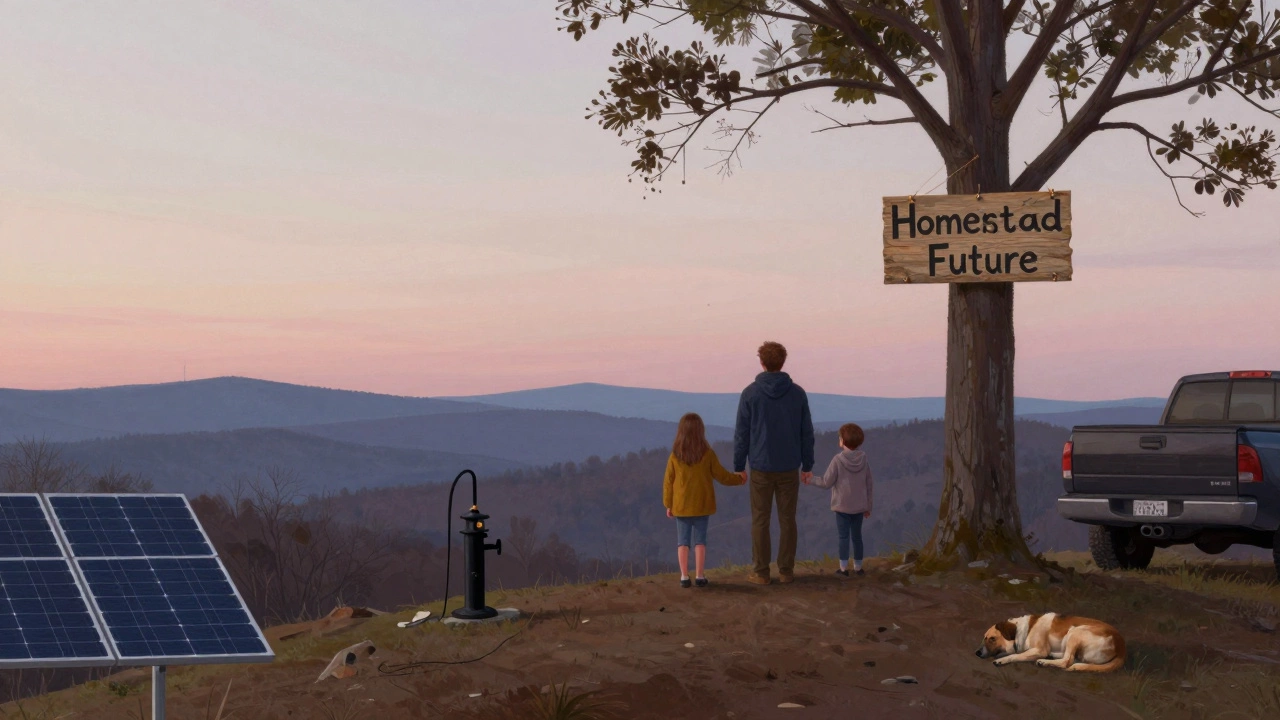
What Kind of Land Is Actually Available?
Most listings fall into three categories:- Mountain ridges with panoramic views but no road access-often $5,000 to $15,000 per acre.
- Forest tracts near state parks-good for hunting, timber, or off-grid living-$3,000 to $8,000 per acre.
- Former coal land with potential for solar or wind-$1,000 to $4,000 per acre, but requires environmental review.
Prices drop even further if the land is in a county with fewer than 5,000 residents. Places like McDowell, Mingo, or Wyoming County have listings under $1,000 per acre. You’ll find them on local real estate sites, not Zillow.
Who Should Avoid Buying Land Here?
Don’t buy West Virginia land if:- You need internet for remote work and won’t install satellite or Starlink.
- You expect to sell it in 2-5 years for a profit.
- You want a community with neighbors, schools, or grocery stores nearby.
- You’re not willing to spend $10,000-$30,000 on site prep before building.
If any of these apply, look elsewhere. The land here isn’t broken-it’s just not for the average buyer.
Who Should Consider It?
Buy West Virginia land if:- You want to live off-grid and are okay with self-sufficiency.
- You’re a long-term investor who can wait 10+ years for appreciation.
- You want to build a private retreat, hunting lodge, or eco-homestead.
- You’re okay with doing your own due diligence on titles and soil.
People who succeed here aren’t chasing deals. They’re chasing independence.
Is land in West Virginia safe to buy?
Yes, but only if you do your homework. Many parcels have hidden issues like abandoned mines, unclear titles, or environmental contamination. Always hire a local land surveyor and title attorney before buying. Check the West Virginia Department of Environmental Protection’s abandoned mine map. Never buy without a full property inspection.
Can you build a house on cheap land in West Virginia?
You can, but it’s expensive. Most cheap land lacks utilities. You’ll need a septic system ($8,000-$15,000), a drilled well ($10,000-$20,000), and a power solution like solar or a generator. Grading steep land can cost $20,000+. Building codes are relaxed in rural areas, but you still need permits. Budget at least $50,000-$100,000 total for land and build.
Are there any hidden taxes or fees?
Property taxes are low-often under $200 a year for 10 acres. But you’ll pay for other things: surveying, title insurance, well drilling, and road access. Some counties charge impact fees if you connect to public water or sewer. And if your land is near a protected area, you might face restrictions on clearing trees or building. Always ask the county assessor about all potential fees before closing.
Is West Virginia land a good investment?
Not for quick returns. But for long-term value? Yes. Land prices have stayed flat for 20 years, but demand is slowly rising as remote workers and off-grid enthusiasts look for affordable space. Solar farms and carbon credit projects are starting to use West Virginia land. If you hold for 15-20 years, you could see 3-5x appreciation. But you need to be patient and prepared to maintain the property.
Where are the best counties to buy land in West Virginia?
For affordability: McDowell, Mingo, and Wyoming Counties. For scenery and access: Pendleton, Randolph, and Tucker Counties. For future potential: Boone and Logan Counties, where solar and wind projects are being planned. Avoid counties with active mining or high flood risk unless you have expert advice.