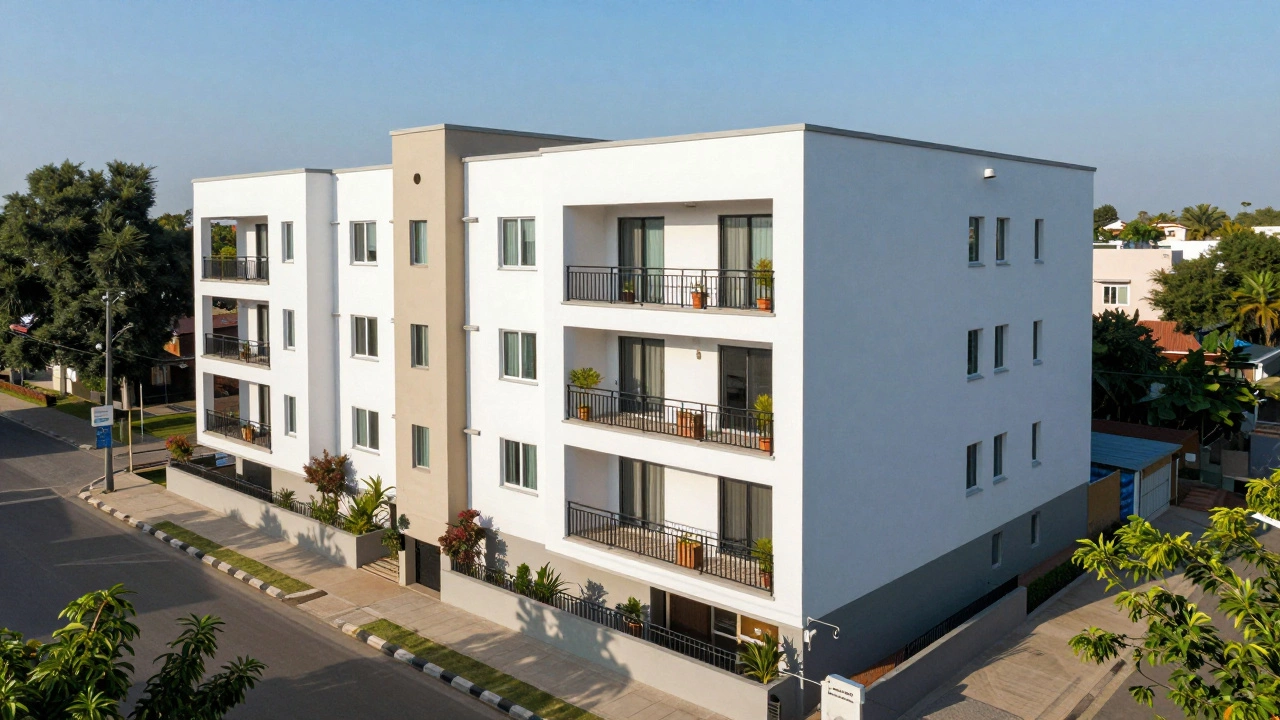
Apartment Cost & Compliance Estimator
Enter your building specifications above to see the "Invisible Wall" cost effect.
Quick Takeaways
- Fire Safety: 3 stories is often the limit before expensive sprinkler systems and secondary exits become mandatory.
- Elevator Costs: Many local codes allow developers to skip elevators in low-rise buildings, saving thousands in installation and maintenance.
- Zoning Laws: Residential zoning often caps height to prevent "neighborhood creep" and maintain sunlight for surrounding homes.
- Construction Speed: Low-rise builds use simpler foundations and framing, meaning they hit the market faster.
The Invisible Wall: Fire Codes and Safety
The biggest reason you see so many three-story buildings comes down to the International Building Code (or its local equivalents like the NCC in Australia). In the world of fire safety, there is a massive cliff between "low-rise" and "mid-rise." The International Building Code is a set of minimum requirements for building safety, structural integrity, and fire prevention.
In many cities, once a building hits four stories, the fire department requires a full-scale automatic sprinkler system in every single room. For a developer, installing a massive water tank and a network of pipes through every wall is a huge expense. In a three-story building, they can often get away with simpler smoke alarms and a few strategically placed extinguishers.
Then there's the exit strategy. Firefighters can typically reach a third-story window with a standard ladder truck without needing specialized, heavy-duty equipment. Once you hit that fourth or fifth floor, the risk increases, and the city demands more stairs, wider hallways, and fire-rated doors that cost way more than standard interior doors. By staying at three stories, builders avoid these "premium' safety costs while still maximizing the number of units on a small plot of land.
The Elevator Equation
Think about the last time you lived in a walk-up. Climbing two flights of stairs is a nuisance; climbing five is a workout. Because of this, Zoning Ordinances often mandate elevators once a building reaches a certain height. Zoning ordinances are local laws that dictate how land can be used and how high buildings can be constructed.
Adding an elevator isn't just about the machine itself. You have to carve out a vertical shaft that runs through every single floor. This kills the floor plan. In a 2BHK apartments layout, that lost space could have been a walk-in closet or a larger balcony.
More importantly, elevators are a maintenance nightmare. You have to pay for monthly inspections, electricity, and expensive repairs. By capping the building at three stories, developers can legally build "walk-ups." This allows them to keep the rent lower or the profit higher by removing a piece of machinery that will eventually break down. For the resident, a third-floor walk-up is still manageable for most people, making it the "sweet spot" for affordability.
Budgeting for the Foundation
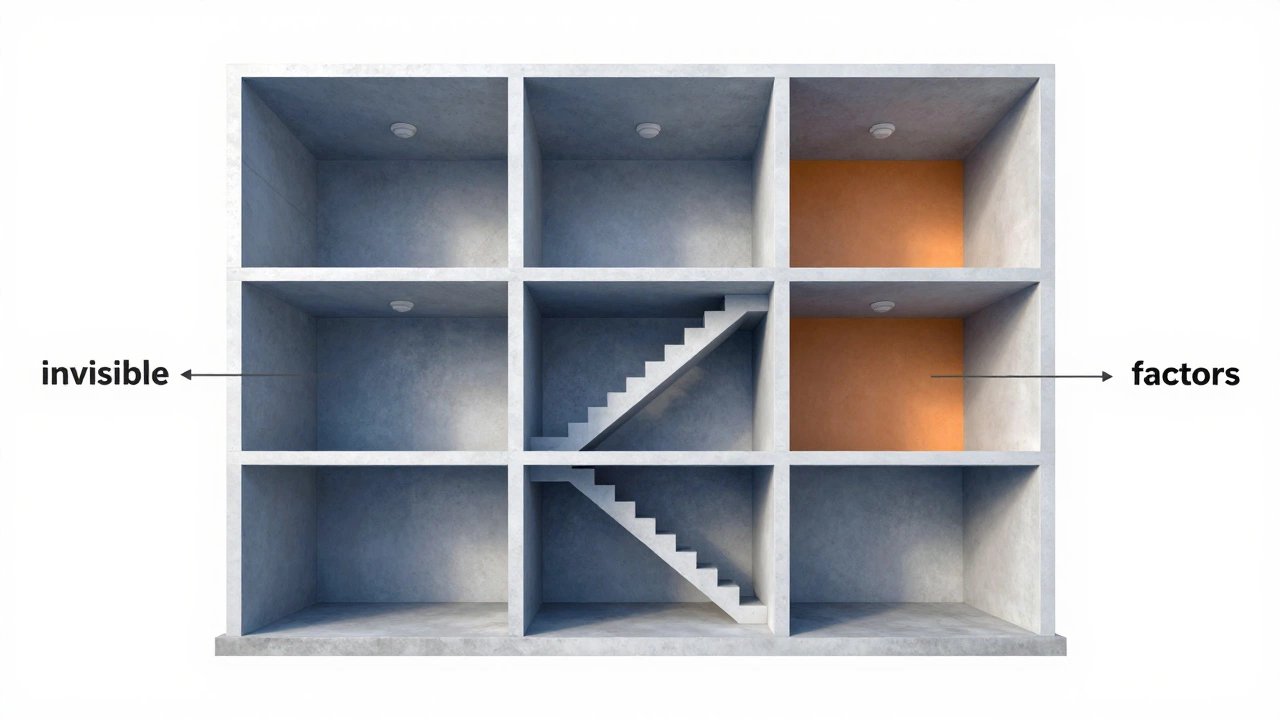
You can't just stack floors like LEGO bricks. The higher you go, the more weight (dead load) pushes down on the ground. A three-story building can often get away with a standard Slab-on-Grade Foundation. A slab-on-grade foundation is a single layer of concrete that supports the entire structure without the need for deep basements.
If a builder decides to go to six or ten stories, they can no longer rely on a simple slab. They have to dig deep into the earth for pilings or a reinforced basement. This requires heavy machinery, more engineers, and a lot more time. If you're building a small complex of 2BHK units, the cost of those deep foundations might eat up the profit you'd make from the extra apartments on the top floors.
| Feature | 3-Story (Low-Rise) | 6+ Story (Mid-Rise) |
|---|---|---|
| Elevator Requirement | Usually Optional | Mandatory |
| Fire Suppression | Basic/Selective | Full Sprinkler System |
| Foundation Type | Slab or Shallow Footing | Deep Pilings/Basement |
| Construction Material | Wood Frame/Light Steel | Reinforced Concrete/Steel |
The Psychology of Neighborhoods
Beyond the money and the laws, there's a social element. City planners use Urban Planning strategies to keep neighborhoods feeling residential rather than industrial. Urban planning is the technical and political process concerned with the development of land and the design of the urban environment.
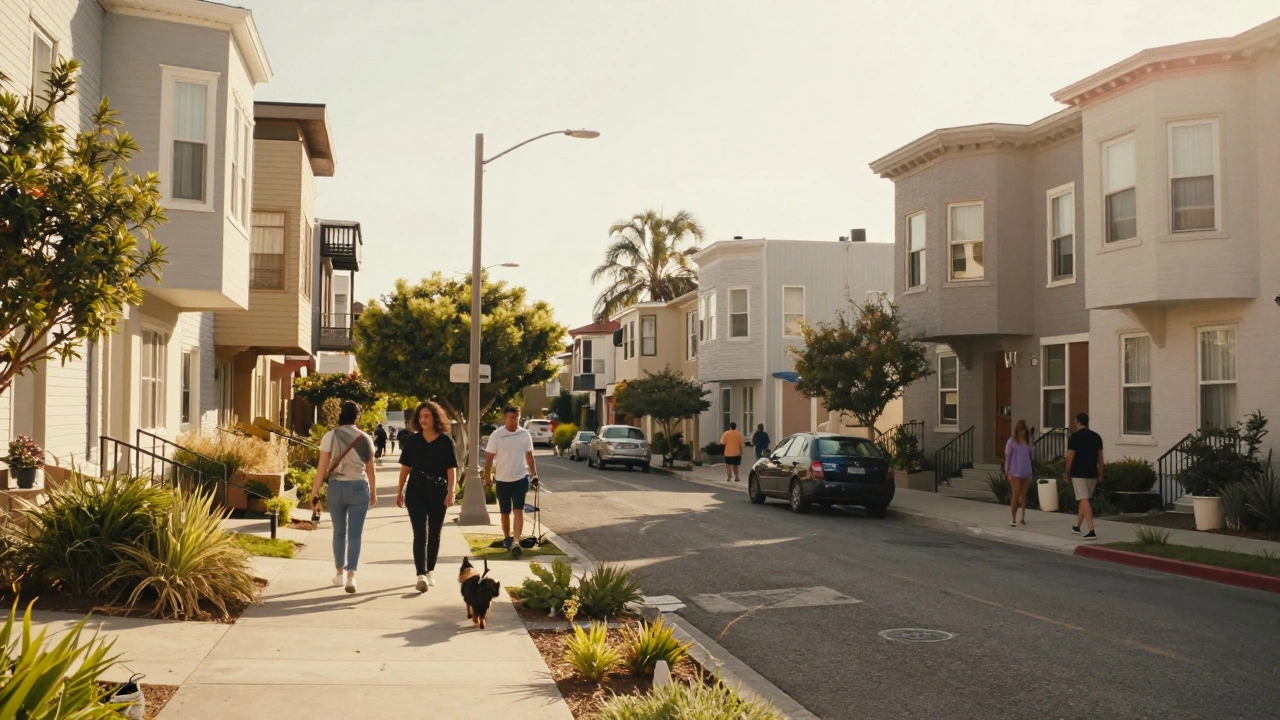
If every developer built 10-story towers, the streets would become dark tunnels with no sunlight reaching the ground. This is often called the "canyon effect." By limiting most apartments to three stories, cities ensure that sunlight still hits the sidewalks and existing single-family homes don't feel like they're living in the shadow of a monolith.
For a buyer looking for a 2BHK, a three-story building often feels more "human." You can see the street, you aren't trapped in a metal box (the elevator) for five minutes every time you go to the store, and the building feels integrated into the community. It creates a transition zone between a tiny house and a massive skyscraper.
The Speed of the Build
Time is money in real estate. A three-story building can be constructed using Platform Framing, a method where floors are built as platforms and walls are nailed on top. Platform framing is a common construction technique using dimensional lumber to create the skeleton of a house.
This process is incredibly fast. Local crews can whip up a three-story wood-frame building in a fraction of the time it takes to pour and cure the massive concrete columns needed for a high-rise. Since these buildings are simpler, they don't require as many specialized subcontractors. You don't need a team of high-rise crane operators or specialized concrete engineers; a standard residential crew can handle the whole thing.
This speed allows developers to enter the rental market faster. In a hot market, being able to finish a building in 8 months versus 18 months means you start collecting rent much sooner, which significantly improves the project's internal rate of return.
Does a three-story building always mean no elevator?
Not always, but it's common. Many building codes allow developers to omit elevators in buildings with three floors or fewer. However, some developers add them as a luxury feature to attract older tenants or people with mobility issues, even if the law doesn't force them to.
Is a 3-story 2BHK apartment more expensive to maintain?
Generally, no. Because they lack complex systems like elevators and industrial-grade fire pumps, the monthly maintenance fees (HOA fees) are typically lower than in high-rise complexes.
Why not just build 2 stories?
It's about density. Land is expensive. Adding that third floor allows a developer to add 33% more units without buying more land. It's the maximum height they can reach before the expensive "mid-rise" regulations kick in.
Are three-story apartments safer during fires?
In terms of evacuation, yes. It is much faster to get out of a third-story unit via stairs than a 20th-story unit. Fire trucks also have easier access to the upper floors, though high-rises have more advanced internal suppression systems to compensate for the height.
Does the material change after 3 stories?
Yes, frequently. Many regions allow "Type V" construction (light-frame wood) for low-rises. Once you go higher, you often have to switch to "Type I" or "Type II" construction, which involves steel and non-combustible materials like concrete, which are much more expensive.
Next Steps for Home Seekers
If you're hunting for a place and can't decide between a low-rise walk-up and a high-rise tower, ask yourself about your daily habits. If you're active and want lower monthly fees, a third-floor 2BHK is a great bet. But if you have a physical disability or a huge amount of groceries to carry every week, the lack of an elevator in a three-story build might be a dealbreaker.
Check the local zoning map of the area you're looking at. If you see a cluster of three-story buildings, it's a sign that the neighborhood has strict height caps, which usually means the area will remain more residential and less commercialized over time. This can be a huge plus for long-term property value.