Rental Property Registration: What You Need to Know in India
When you rent out a property in India, rental property registration, the legal process of recording a lease agreement with government authorities. Also known as rent agreement registration, it’s not just a formality—it’s a shield for both landlords and tenants. Without it, you’re playing with fire. A verbal agreement won’t hold up in court if a tenant stops paying or a landlord tries to kick them out illegally. Registration gives you a paper trail, legal standing, and protection under the Indian Stamp Act and Registration Act.
Many landlords skip registration because they think it’s expensive or complicated. But the cost is usually under ₹1,000, and it’s often paid by the tenant. The real risk? Losing rent, facing eviction disputes, or being unable to claim tax deductions. If you’re a tenant, unregistered leases mean no proof of where you live—bad news if you need a visa, school admission, or bank loan. Registration also ties directly to landlord rights India, the legal powers and responsibilities of property owners renting out homes or flats. It defines how much notice you must give before raising rent or ending a lease. For tenants, it’s tied to tenant rights, the legal protections renters have against unfair eviction, rent hikes, or unsafe conditions. These aren’t abstract ideas—they’re enforceable under state-specific rent control laws.
Some states like Maharashtra and Tamil Nadu make registration mandatory for leases over 11 months. Others, like Delhi and Karnataka, require it for any lease longer than 12 months. The rules change depending on where you are. You’ll need the property deed, ID proofs, witness details, and a properly drafted rent agreement. Many people use online portals now, but mistakes still happen—wrong stamp paper, missing signatures, or incorrect rent amounts. One small error can make the whole document invalid. And yes, even if you’re renting out a single room in your house, registration still applies if the term is long enough.
What you’ll find below isn’t a list of generic tips. It’s a collection of real, practical posts that cut through the noise. You’ll see how to draft a lease that holds up in court, what to do if your landlord refuses to register, how to check if a rental is legally registered, and why skipping this step costs people thousands. Whether you’re a first-time landlord in Bangalore or a tenant in Pune trying to fight a wrongful eviction, these guides give you the exact steps to protect yourself. No theory. No fluff. Just what works.
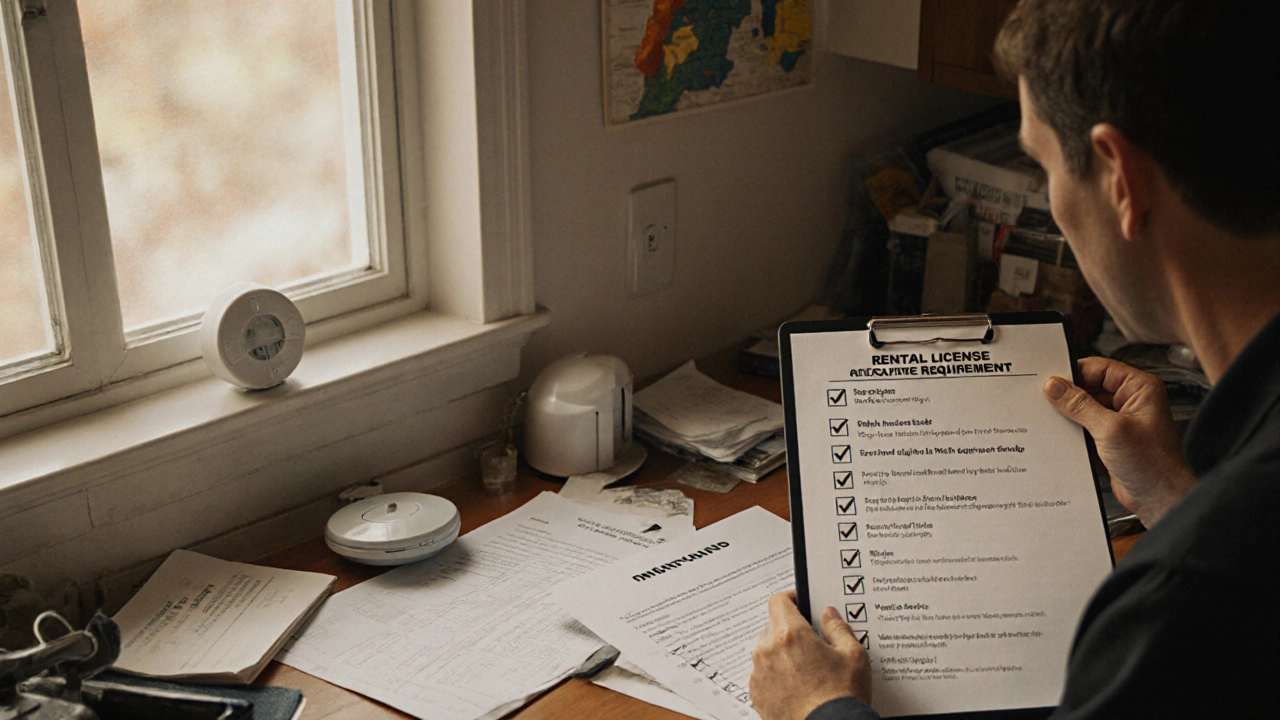
How Long Does It Take to Get a Rental License in Maryland?
by Arjun Mehta Oct 27 2025 0 Property RegistrationGetting a rental license in Maryland takes 2 to 8 weeks, depending on your county and how prepared your property is. Learn the steps, timelines, and common mistakes to avoid delays.
READ MORE