Apartment Area Rules: What You Need to Know About Living in Shared Spaces
When you live in an apartment, a residential unit in a multi-unit building where shared spaces and rules are managed collectively. Also known as flat, it comes with more than just walls and a door—it comes with apartment area rules, the official and unofficial guidelines that govern noise, parking, renovations, pets, and common areas in residential buildings. These aren’t just suggestions. Break them, and you could face fines, eviction, or angry neighbors.
These rules aren’t made up by landlords on a whim. Most come from local building bylaws, municipal regulations that set minimum standards for safety, occupancy, and use of residential properties, and are often reinforced by your lease. In cities like Melbourne or Delhi, rules about late-night noise, balcony storage, or even how many people can live in a 2BHK are strictly enforced. You might think a quiet weekend party is harmless, but if your building’s bylaws say no noise after 10 PM, you’re breaking the law—even if no one complains. And if your building is part of a housing society, there’s usually a committee that votes on changes. Want to install a satellite dish? Paint your door red? Rent out your unit short-term? You need permission. Many people don’t realize these rules exist until they’re fined.
Then there are the tenant rights, the legal protections that ensure you can live safely and without harassment, even when rules are strict. Just because a rule exists doesn’t mean it’s legal. For example, some buildings ban pets outright—but in many places, that violates disability or family housing laws. Others charge extra for water usage or restrict guests to just three nights a month. These might sound fair, but they’re often unenforceable. Know what’s real and what’s just the landlord’s preference. Your lease should list all rules, but if it doesn’t, check your city’s housing authority website. You’re not asking for special treatment—you’re asking for what you’re legally owed.
And don’t forget the shared living rules, the unwritten social contracts between neighbors about cleanliness, noise, and respect. These aren’t written down anywhere, but they matter just as much. If your neighbor leaves trash in the hallway, or plays loud music every night, no rule can fix that unless you speak up—or the building management steps in. Most apartment conflicts come down to these invisible norms. The person who leaves shoes in the elevator? The one who uses the laundry room at 2 AM? They’re not breaking the law, but they’re breaking trust. And trust is what keeps apartment living manageable.
What you’ll find below are real stories and guides from people who’ve dealt with these exact issues—how to challenge unfair rules, what to do when your building ignores complaints, how to negotiate pet policies, and which rules are actually worth fighting. Whether you’re renting a 1K apartment in Melbourne or a Class D home in a government housing complex, these rules shape your life more than you think. Let’s cut through the noise and get you the facts that matter.
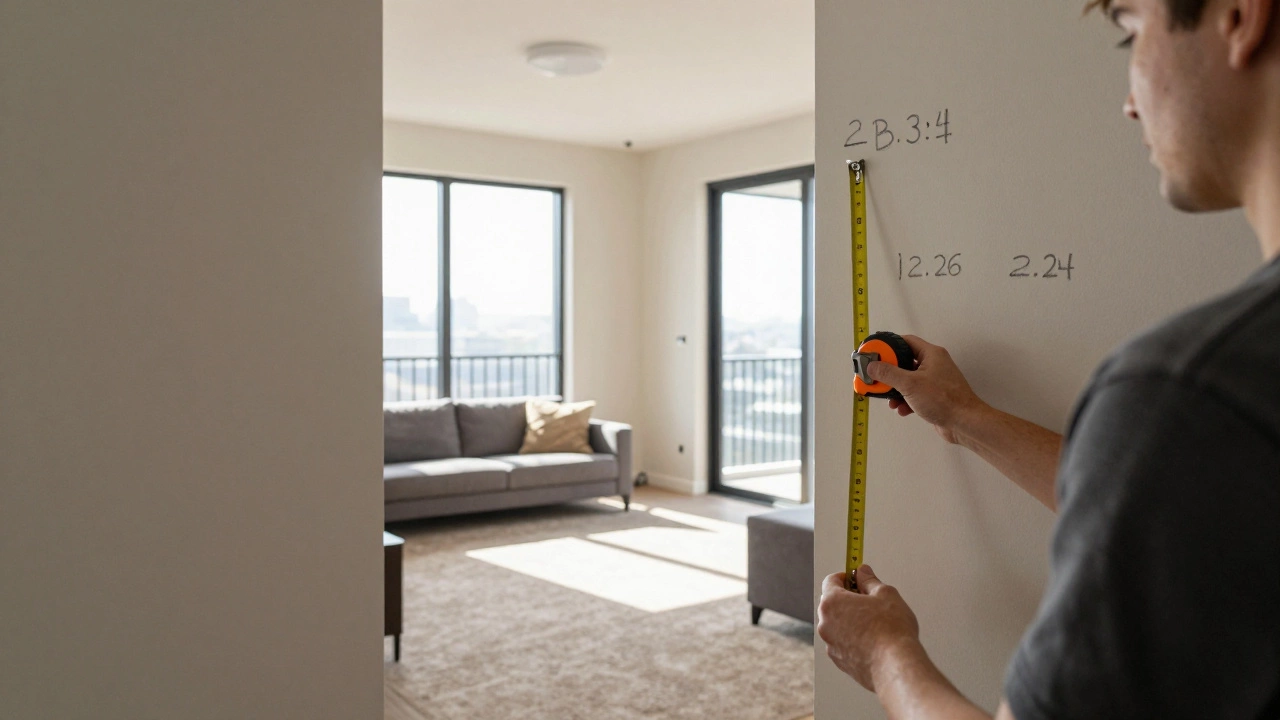
How Landlords Calculate Square Footage for 2BHK Apartments
by Arjun Mehta Dec 1 2025 0 ApartmentsLandlords often inflate square footage in 2BHK listings by including balconies or walls. Learn how real measurements work, what's legally included, and how to spot misleading listings in Melbourne rentals.
READ MORE