Cheap Land for Sale: Where to Find It and What to Watch Out For
When you search for cheap land for sale, unimproved property priced below market value in areas with growth potential. Also known as raw land, it’s the foundation for homes, businesses, or long-term investments—but only if you know what you’re getting into. Most people think cheap land means a steal. But in 2025, the cheapest plots often come with hidden costs: no water, no power, zoning that bans building, or soil that won’t support a foundation. The real bargain isn’t the price tag—it’s the land that’s ready to build on, even if it costs a bit more upfront.
Land prices 2025, the current market value of undeveloped property across different regions vary wildly. In rural parts of India, you might find an acre for under $5,000. In growing towns near highways or future metro lines, the same size plot could cost $50,000 or more. The difference? Access to utilities, legal clarity, and proximity to demand. Industrial zones and areas near government infrastructure projects often see the biggest jumps. Meanwhile, remote plots with no road access can sit empty for years, even if the price looks tempting.
Buy land, the process of acquiring undeveloped property for future use or development isn’t like buying a house. There’s no inspection checklist. No home warranty. You’re buying dirt and a deed. That’s why checking the title is critical. Is the land legally divisible? Are there easements? Is it in a flood zone? A cheap plot with a clouded title can cost you more in legal fees than a pricier one with clean paperwork. And don’t assume the seller knows the rules—many don’t. Always hire a local land surveyor and check with the municipal office before signing anything.
Some of the best deals on affordable housing, housing options designed for low-to-middle-income families, often including land parcels under government schemes come from government land releases. These aren’t flashy listings on real estate portals—they’re buried in local development authority notices. In India, programs like PMAY or state housing boards sometimes offer plots at fixed rates to eligible buyers. You’ll need income proof and documentation, but the land comes with basic infrastructure and legal backing. This is where true affordability lives—not in the wilds of unconnected acreage, but in planned communities with a path to ownership.
Don’t chase the lowest price. Chase the lowest risk. A $10,000 plot with no access road and no electricity might cost you $40,000 to make usable. A $25,000 plot with water, power, and clear zoning? That’s the real win. The posts below break down exactly where these smart buys are hiding—whether it’s in small towns in Rajasthan, outskirts of Pune, or near new industrial corridors. You’ll see what’s actually being sold, how prices are changing in 2025, and how to spot the traps before you pay a rupee.
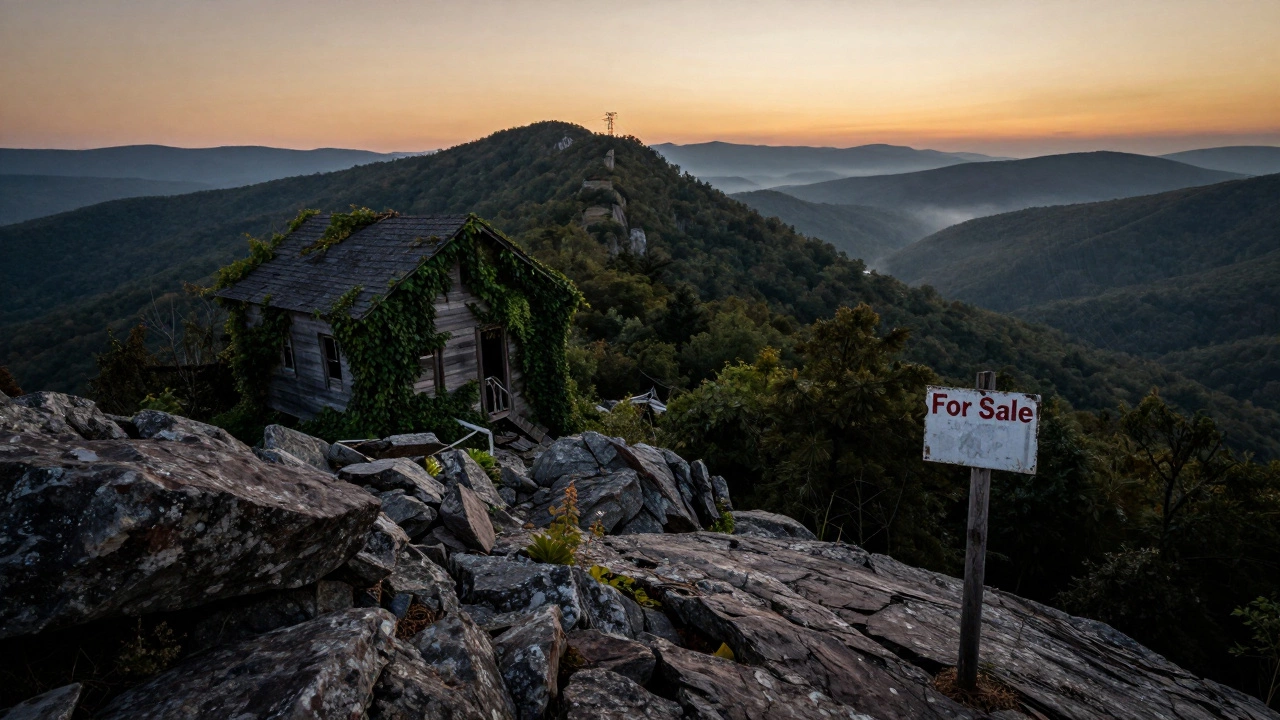
Why Is Land in West Virginia So Cheap? The Real Reasons Behind the Low Prices
by Arjun Mehta Dec 1 2025 0 LandLand in West Virginia is among the cheapest in the U.S. due to population decline, rugged terrain, coal legacy, and poor infrastructure. Discover why it's a bargain for the right buyer-and who should avoid it.
READ MORE