House Lease Option: What It Is and How It Works
When you hear house lease option, a contract that lets you rent a home with the right to buy it later. Also known as lease to own, it’s not a mortgage, and it’s not just renting—you’re building a path to ownership without the upfront pressure. This setup is common when buyers can’t qualify for a loan right now but want to lock in a price and start living in the home. It’s also used by sellers who need to move fast but want to avoid a quick, lowball sale.
The lease to own, a specific type of housing arrangement where rent payments may contribute to the final purchase price usually includes two parts: a standard rental agreement and an option agreement. The option part gives you the right—but not the obligation—to buy the house by a set date. Often, a portion of your monthly rent goes toward the down payment, called a rent credit. But here’s the catch: if you don’t buy, you lose that money. And if the home’s value drops, you’re still locked into the original price.
Not every landlord offers this. It’s more common in markets with slow sales or high demand for rentals, like parts of India where middle-income families want stability but lack immediate access to financing. Sellers might prefer it if they’re relocating, need cash flow, or can’t sell the house quickly. Buyers use it to test a neighborhood, improve credit, or save for a down payment while living in the home.
But it’s not risk-free. Some deals hide high fees, unclear terms, or inflated prices. You need a lawyer to review the contract. Make sure the purchase price is fixed and written clearly. Ask how rent credits are calculated. Check if the seller still owns the property outright—no liens or pending foreclosures. And never skip the home inspection. The property lease, a legal agreement granting temporary use of a home in exchange for regular payments doesn’t transfer ownership, so you’re still at the mercy of the owner’s decisions.
There’s also the housing option, a broader term covering flexible pathways to homeownership beyond traditional buying—like shared equity, government schemes, or rent-to-own cooperatives. These vary by region and are often tied to income limits or local policies. In India, some developers offer similar structures under affordable housing programs, but they’re rarely called "lease options."
If you’re considering a house lease option, treat it like a business deal—not a dream. Track your rent credits. Keep records of every payment. Know your exit plan if things go sideways. And don’t let the excitement of "owning" a home blind you to the fine print. The right deal can be a stepping stone. The wrong one can cost you thousands.
Below, you’ll find real examples and breakdowns from people who’ve walked this path—some successfully, some with regrets. These posts cover what to ask, how to spot red flags, and where to find the best terms in today’s market.
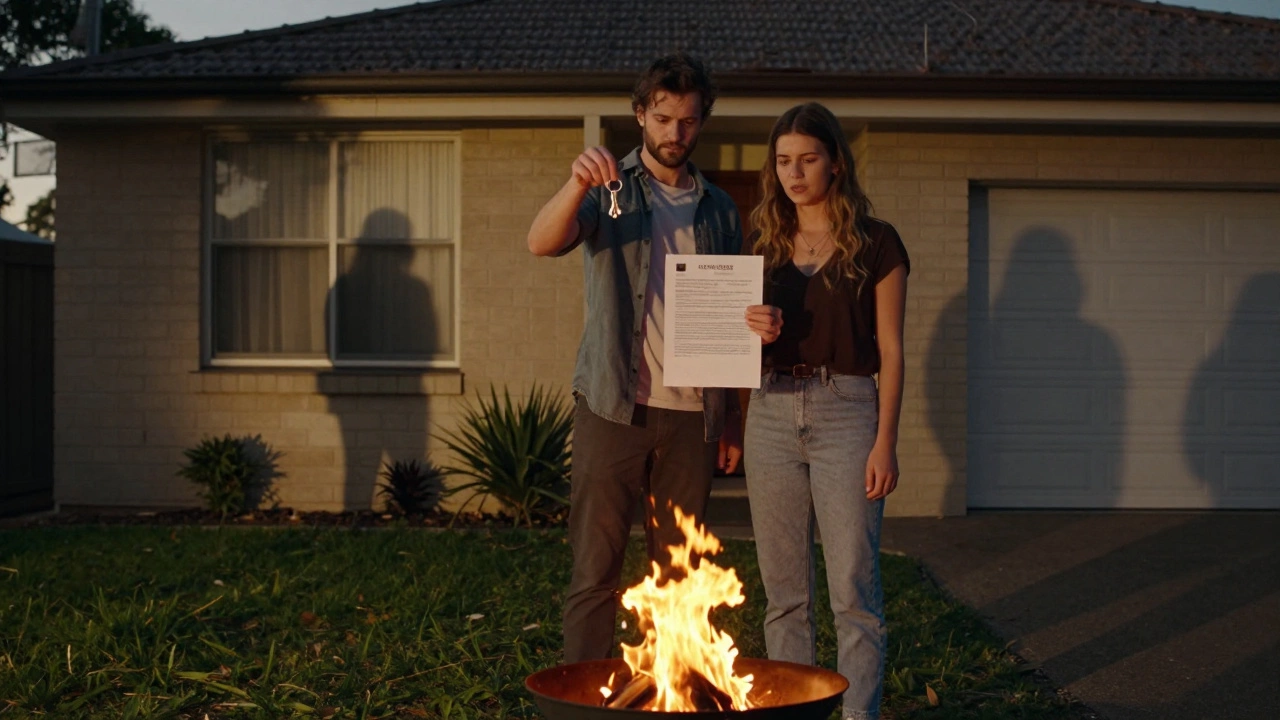
Is lease to own a good idea for buying a home in Australia?
by Arjun Mehta Dec 5 2025 0 Property BuyingLease to own might seem like a path to homeownership, but in Australia, most people lose thousands without buying. Learn the risks, hidden costs, and better alternatives to own your home safely.
READ MORE